




A Landscape Reborn in Green
For generations, the conventional wisdom for travel to Assam was to avoid the monsoon, which typically lasts from June to September. The season was associated with heavy rains, potential floods, and the closure of its most famous attraction, Kaziranga
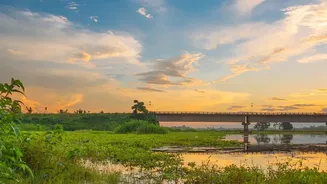
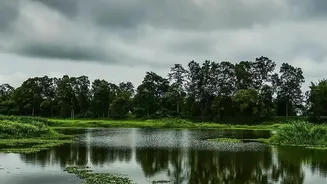
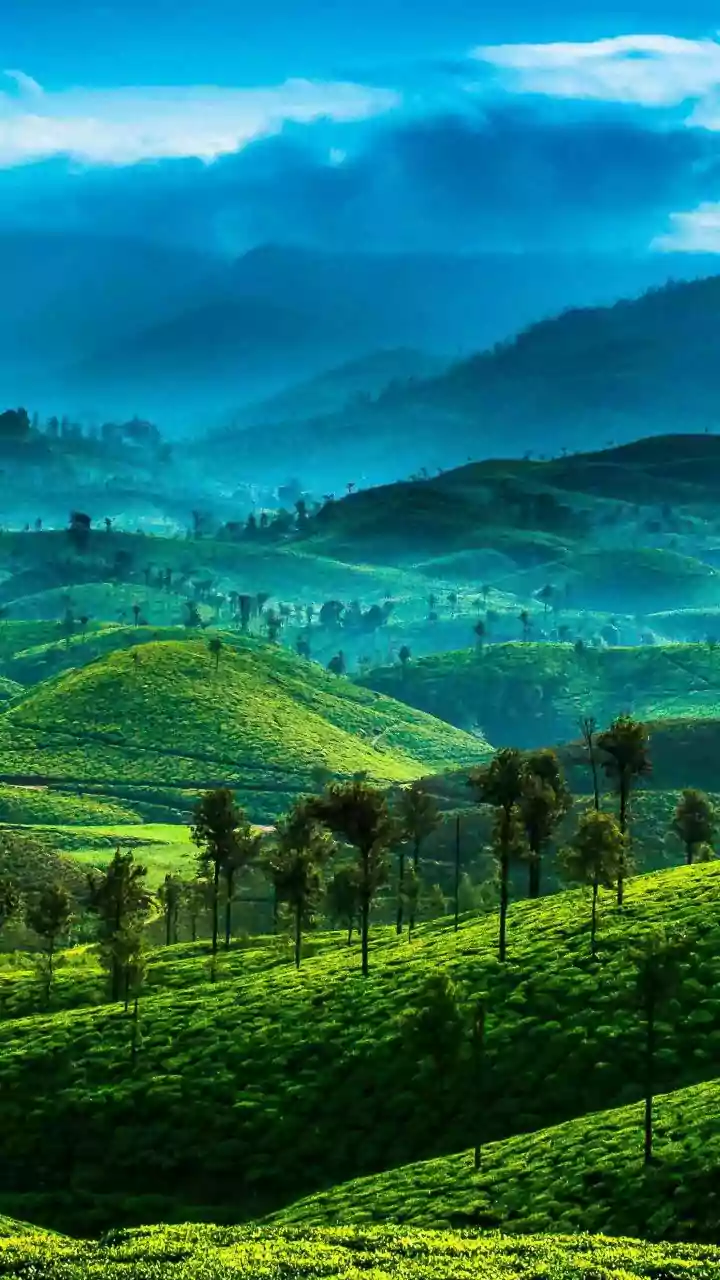
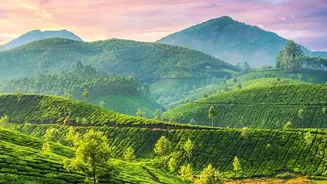
National Park. However, a significant shift is underway. Travellers are now discovering that the monsoon transforms Assam into a spectacle of unparalleled natural beauty. The tea gardens, the state's signature landscape, become a vibrant, almost impossibly lush green. Rivers like the mighty Brahmaputra swell, waterfalls cascade with renewed power, and a mystical mist often blankets the hills and plains, creating a serene and evocative atmosphere. This period, once seen as the 'off-season', is now being celebrated for offering a unique perspective on the state's ecology, where the rain isn’t an obstacle but the main attraction.
Beyond Kaziranga: Monsoon Sanctuaries
While parts of Kaziranga National Park traditionally close to protect its habitat and wildlife during the floods, other ecological hotspots come alive. Pobitora Wildlife Sanctuary, which boasts one of the highest densities of the one-horned rhinoceros, remains a key destination. The monsoon rejuvenates its wetlands, making it a vibrant habitat for rhinos, wild buffalo, and a rich array of birds. Similarly, Manas National Park, another UNESCO World Heritage site, and Dibru-Saikhowa National Park, a haven for birdwatchers, offer unique safari experiences during the rains. Boat safaris become a primary mode of exploration in these water-logged ecosystems, providing visitors with intimate, close-up views of the thriving biodiversity against a backdrop of fresh, green foliage.
The Rise of Community-Led Experiences
The growth in monsoon eco-tourism isn't just about landscapes; it's about people. Across the state, community-based tourism initiatives are gaining ground, offering travellers a more meaningful connection to the region. In villages near national parks and on river islands like Majuli, local communities are increasingly managing homestays, eco-lodges, and craft centres. This model ensures that the economic benefits of tourism are distributed at the grassroots level. Visitors can stay in traditional bamboo homes, learn about silk weaving practices in villages like Sualkuchi, and enjoy authentic Assamese cuisine. These initiatives not only provide sustainable livelihoods but also empower local communities to preserve their cultural heritage and natural environments, offering tourists a rich, immersive experience that goes beyond simple sightseeing.
Embracing the Rain Responsibly
Travelling to Assam during the monsoon requires a spirit of adventure and some practical planning. The rains are essential for the region's ecology, recharging wetlands and maintaining the grasslands that sustain its famous wildlife. While beautiful, the weather can be unpredictable. Experts advise visitors to pack waterproof gear, choose light, quick-drying fabrics, and keep electronics in protective bags. It's also crucial to stay informed about local weather conditions and road accessibility, as heavy downpours can sometimes cause travel disruptions. However, this element of unpredictability is part of the appeal for many, offering a chance to slow down, connect with nature's rhythm, and witness the powerful, life-affirming cycle of the monsoon in one of India's most ecologically vibrant states.