





For generations, the Indian dream home was defined by size. But in today's bustling cities, a new paradigm is emerging. Homebuyers are realising that a property's value lies not just in its square footage, but in the quality of life it offers.
The Old Metric: A Large Home as the Ultimate Goal
Historically,
a sprawling home was the ultimate symbol of success and stability. Bigger rooms, more balconies, and ample space for a growing family were non-negotiable markers of having 'arrived'. This mindset drove buyers to the city's peripheries, where land was cheaper and larger flats were more affordable. The trade-off—a longer commute—was often seen as a necessary sacrifice for a better, more spacious life. This preference was so ingrained that developers often marketed projects almost exclusively on their size and internal amenities, with location being a secondary consideration after price.
The New Reality: The Hidden Cost of the Commute
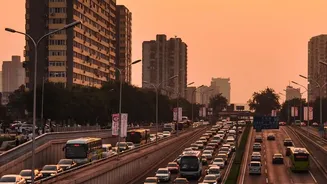
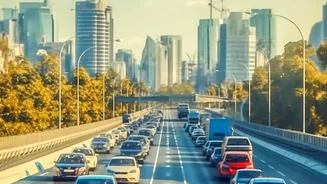
Today, that calculation is being turned on its head. As India's major cities grapple with traffic congestion, the daily commute has become a significant drain on time, money, and well-being. Studies show that an average person in a major Indian city can spend over 100 hours a year stuck in traffic. This 'time tax' translates into real costs: fuel expenses, vehicle maintenance, and most importantly, lost hours that could be spent with family, on hobbies, or simply resting. This has led to a profound shift in buyer sentiment. A 2026 homebuyer survey revealed that overall connectivity is now a top consideration, ranking alongside unit size and layout. The mobility experience a home provides is no longer a bonus; it's a core feature.
What 'Connectivity' Really Means in 2026
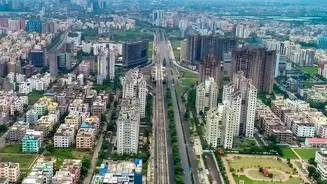
Modern connectivity is about much more than just being near a main road. It's a multi-layered concept that defines a location's true convenience. The most significant game-changer has been the expansion of metro rail networks. Properties within a short walk of a metro station often command a significant price premium, appreciating faster than those further away. This concept, known as Transit-Oriented Development (TOD), focuses on creating dense, walkable communities around transport hubs, reducing reliance on private vehicles. But it also includes proximity to arterial roads, expressways, and railway stations, which together create a web of accessibility that makes daily life smoother and more predictable.
Beyond the Commute: The Power of Social Infrastructure
A prime location is not just about getting to work easily. It's about having a life outside of work. This is where 'social infrastructure' comes into play—the ecosystem of facilities that make a neighbourhood liveable and vibrant. This includes high-quality schools, reliable hospitals, banks, retail outlets, restaurants, parks, and community centres. When these amenities are within easy reach, it drastically improves the quality of life. It means less time spent running errands across town and more time enjoying the community. For families, proximity to good schools and safe recreational spaces is often a deciding factor that outweighs the allure of a slightly larger apartment in a poorly served area. Neighbourhoods with robust social infrastructure tend to have higher rental demand and more stable property values.
Futureproofing Your Biggest Investment
Buying a home is the biggest financial decision most people will ever make. Thinking about location and connectivity is also a way of futureproofing that investment. Real estate reports consistently show that infrastructure development is a primary engine of property value growth. Areas slated for new metro lines, airports, or business parks often see property values rise significantly from the moment the project is announced. By choosing a home in a wellconnected area or a region with planned infrastructure upgrades, you are not just buying a place to live; you are investing in an asset that is more likely to appreciate. A smaller flat in a prime, wellconnected location often has better resale and rental potential than a large, isolated property.