

The Heartbeat of the Festival
Janmashtami, celebrating the birth of Lord Krishna, is one of India's most vibrant festivals. This year, the main celebrations will take place on Friday, September 4, 2026. While observed nationwide, the festival's real magnetic pull comes from a handful
of cities, each with a unique connection to Krishna's life. These epicentres of devotion become major travel destinations, with pilgrims and tourists booking trains, flights, and hotels months in advance to witness these distinct celebrations. The travel it inspires is not just a holiday; it's a pilgrimage to the heart of a living tradition.
Mathura and Vrindavan: An Immersive Spiritual Experience
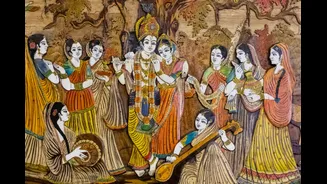
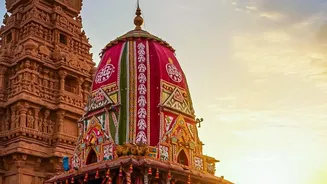
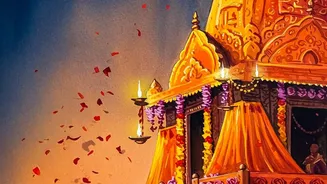
For millions, Janmashtami means only one destination: the Braj Bhoomi region of Uttar Pradesh, encompassing Mathura, his birthplace, and Vrindavan, where he spent his youth. Travel to this region surges as devotees flock to experience the festival in its most traditional form. The main draw is the midnight celebration at the Shri Krishna Janmabhoomi temple complex in Mathura. Here, the idol of baby Krishna is given a ceremonial bath (abhishek) in milk and honey at the exact moment of his birth. The days are filled with Jhulan Yatra (swing festivals), where idols are placed on ornate swings, and Raas Leela performances, which are dramatic re-enactments of Krishna's life. Travellers come here not just to see, but to participate in an all-night spiritual immersion of chanting and prayer.
Mumbai: The Athletic Spectacle of Dahi Handi
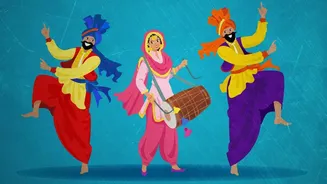
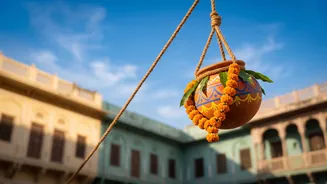
In complete contrast to the devotional serenity of Mathura, Mumbai's Janmashtami celebrations are famous for their energy and spectacle. The city's primary tradition is Dahi Handi, which takes place the day after Janmashtami, on September 5, 2026. This tradition reenacts Krishna's childhood mischief of stealing butter. Teams of young men, called 'Govindas', form multi-storey human pyramids to reach and break a clay pot of curd hung high above the streets. This has evolved into a massive, competitive sport, attracting thousands of participants and spectators. People travel to Mumbai not for quiet temple worship, but to witness this incredible display of teamwork, athleticism, and community spirit, with huge prize money often at stake.
Dwarka: A Kingdom's Royal Celebration
In Gujarat, travel plans are centered on Dwarka, the ancient kingdom where Krishna ruled as king. The Dwarkadhish Temple, a key pilgrimage site, becomes the focal point for tens of thousands of devotees. The celebrations here are grand and temple-focused, revolving around the powerful midnight aarti and the adorning of the deity in opulent golden ornaments. Unlike Mumbai's street festival, travel to Dwarka is driven by a desire for darshan and participation in age-old temple rituals. The atmosphere is one of reverence for Krishna the king, attracting families and devout pilgrims who want to connect with this aspect of his life.
Southern Variations: Udupi and Beyond
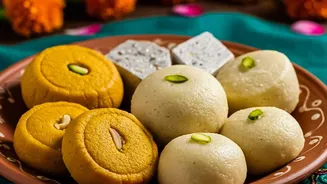
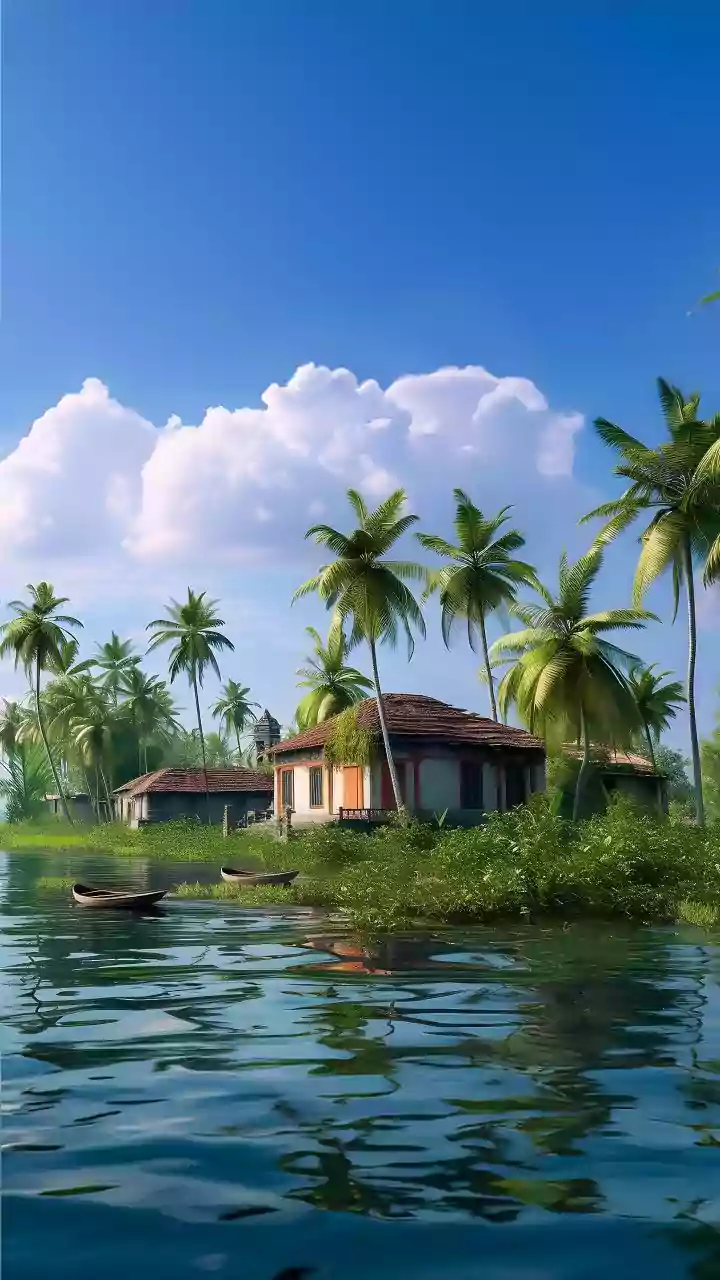
The influence of Janmashtami extends to South India, creating distinct regional travel hubs. In Karnataka, the Udupi Sri Krishna Matha is a major centre of attraction. Founded in the 13th century, this temple is famous for its unique tradition where the deity is worshipped through a nine-holed silver window called the Navagraha Kindi. The festival here, known as Gokulashtami, includes offerings of beaten rice and special laddus, drawing devotees for its distinct rituals. Similarly, temples in Kerala, like Guruvayur, also known as the 'Dwarka of the South', become focal points for regional travel, each celebrating with unique local customs and culinary traditions.