



More Than Just a Cafe with Wi-Fi
The daily grind in a bustling metropolis can wear down even the most resilient professional. The constant noise, traffic, and pressure have led many to seek refuge in calmer locales. Varkala, a serene coastal town in Kerala, has emerged as a leading destination
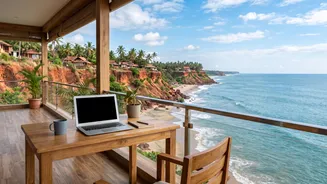
for this new wave of workers. It's no longer just a haven for backpackers and yoga enthusiasts; it has evolved into a functional ecosystem for digital nomads. The town’s appeal lies in its unique combination of natural beauty and a growing infrastructure that supports remote work. While the idea of working from a beach cafe is appealing, Varkala offers something more sustainable. A network of dedicated work-friendly spaces, from quiet hostels to specialised cafes, provides the reliability needed for a full-time job. These are not just places with a Wi-Fi password but hubs designed for focus and community.
The Anatomy of a Cliffside Hub
What makes these Varkala hubs effective? It’s a blend of essential amenities and an unbeatable atmosphere. Many cafes and hostels lining the North Cliff have recognised the needs of remote workers. Places like InDa Cafe and AUM Cafe offer more than just a table; they provide numerous power outlets, calm ambient music, and a general understanding that patrons may be settled in for hours. Some accommodations have gone a step further, creating dedicated quiet areas for work, complete with high-speed fibre connections and, crucially, power backup to navigate the occasional outage. Internet speeds in these dedicated spots can range from a functional 10-30 Mbps to a more robust 50 Mbps, sufficient for video calls and daily tasks. This infrastructure demonstrates a shift from being merely tourist-friendly to becoming genuinely work-friendly.
Finding Community and Connection
One of the biggest challenges of remote work is the potential for isolation. Varkala's hubs actively combat this. The town's digital nomad community is smaller and more intimate than in larger hubs like Goa or Bali, which many see as a significant advantage. This environment fosters genuine connections rather than just transactional networking. It's common for professionals from diverse fields—writers, developers, and designers from India and around the world—to meet informally at cafes or through social media groups. Many hostels and co-living spaces facilitate this by organising communal activities, allowing people to explore the area together after logging off. This blend of focused work during the day and social exploration in the evenings creates a balanced and fulfilling lifestyle that many remote workers crave.
The Varkala Advantage: Cost, Calm, and Culture
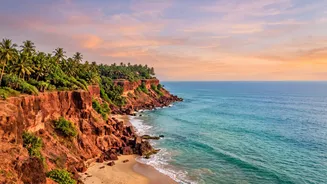
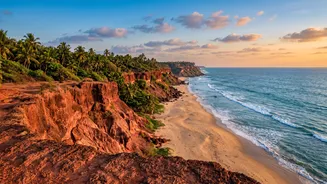
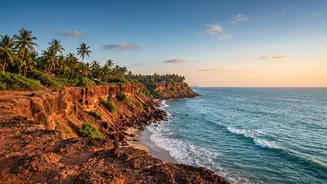
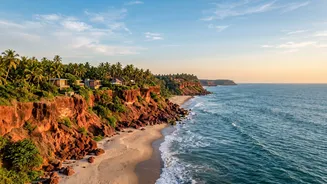
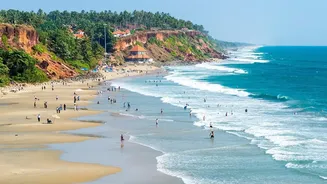
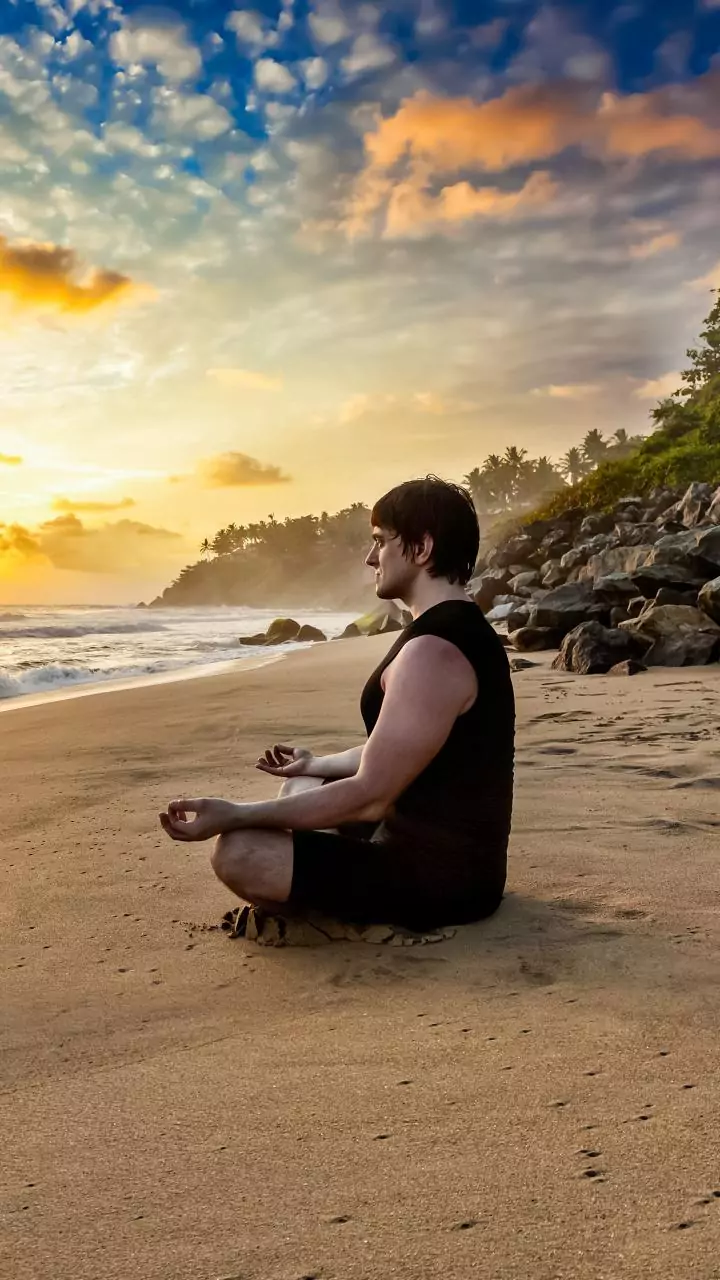
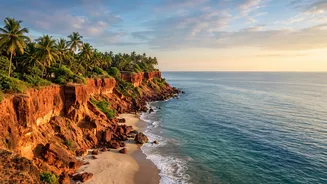
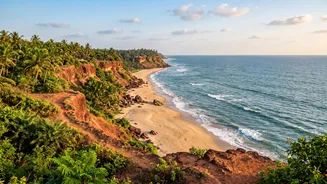
Beyond the work infrastructure, Varkala offers a compelling lifestyle. The cost of living is a major draw, with monthly expenses for a comfortable remote-working lifestyle estimated to be significantly lower than in major Indian cities. Accommodation, food, and local transport are all reasonably priced, allowing professionals to live well without the financial strain of an urban centre. The environment itself is a key benefit. Starting the day with a surf session, taking a break for a walk along the stunning red cliffs, or winding down with a yoga class are all easily integrated into the workday. This emphasis on wellness and a slower pace of life contributes to better focus and reduced burnout, proving that productivity doesn't have to come at the expense of well-being.
Practical Tips for the Aspiring Nomad
For those considering a 'workation' in Varkala, a little planning goes a long way. The best time to visit is typically outside the heavy monsoon season (June-August). When choosing a place to stay, it's wise to ask specifically about Wi-Fi speeds and power backup. While many cliffside cafes offer good connectivity, having a local 4G or 5G SIM card (like Jio or Airtel) as a backup is a smart strategy for uninterrupted work. Many experienced nomads recommend staying a short walk away from the main cliff area for more affordable and quieter accommodation options. Engaging with online communities on platforms like Facebook before you go can also provide up-to-date recommendations and connections with fellow remote workers.