







Swap Raw Salads for Steamed Vegetables
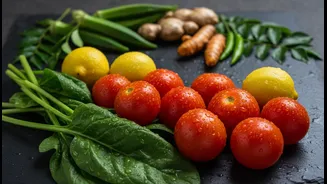
While salads are a healthy staple, raw vegetables, especially leafy greens, pose a higher risk of contamination during the monsoon. The damp, humid weather is a breeding ground for germs that can be hard to wash away completely. A simple and safer swap
is to opt for steamed, grilled, or lightly sautéed vegetables. Cooking kills harmful bacteria and makes vegetables like bottle gourd (lauki), bitter gourd (karela), and pumpkin easier to digest, a key consideration when the digestive system is naturally weaker in this season.
Trade Fried Snacks for Roasted or Steamed Options
The craving for something hot and crunchy is undeniable when it’s raining. But deep-fried snacks can be heavy, slow down digestion, and lead to bloating. Instead of fried samosas, reach for steamed snacks like dhokla, moong dal chilla, or idli. Roasted snacks are another excellent alternative. A handful of roasted chana (chickpeas) or makhana (fox nuts) seasoned with a bit of chaat masala can satisfy cravings without the extra oil. You can also try a sweet potato chaat, which is both flavourful and packed with fibre.
Choose Warm Soups Over Heavy Curries
Rich, heavy curries can tax a sluggish digestive system during the monsoon. Warm, light soups are a perfect replacement. They are hydrating, easy on the stomach, and incredibly nourishing. A simple moong dal soup, a mixed vegetable broth, or a classic tomato soup can be both comforting and beneficial. Adding immunity-boosting spices like ginger, garlic, turmeric, and black pepper not only enhances the flavour but also helps your body fight off seasonal infections.
Opt for Herbal Teas Instead of Cold Drinks
Chilled drinks and ice creams might seem tempting, but they can weaken digestion and increase susceptibility to colds and throat infections. The monsoon is the perfect time to embrace warm beverages. Herbal teas made with ingredients like ginger, tulsi (holy basil), cinnamon, and lemon are excellent for strengthening immunity and soothing the digestive system. A daily cup of turmeric milk, or haldi doodh, is another fantastic option known for its powerful anti-inflammatory and antimicrobial properties.
Pick Seasonal Fruits Wisely
It’s wise to be selective with fruits during this season. Opt for fruits with thick, intact skins like pomegranates, bananas, pears, and apples, as they are less likely to be contaminated. Seasonal specialties like jamun and litchi are also great choices. It's best to avoid pre-cut fruits from street vendors and to wash all fruits thoroughly at home before consumption. Water-heavy fruits like watermelon can be limited as they might increase the risk of bloating.
Incorporate Probiotics and Immunity-Boosting Spices
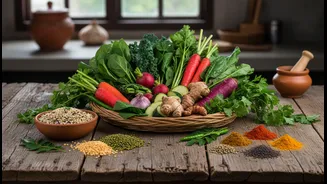
A healthy gut is your first line of defense. Incorporate probiotic-rich foods like fresh, homemade curd (yoghurt) and buttermilk into your daily diet, preferably during lunch. These foods promote the growth of healthy gut bacteria, which is crucial for both digestion and immunity. Furthermore, make a conscious effort to cook with spices known for their medicinal properties. Ginger, garlic, turmeric, black pepper, and cumin not only add flavour but also possess anti-inflammatory and antibacterial qualities that help keep you healthy through the season.