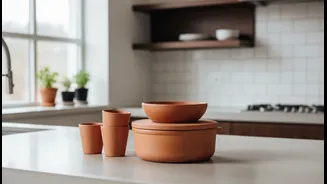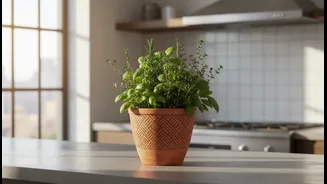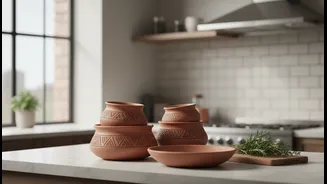







A Craft Rooted in Rajasthani Soil
For centuries, the potters, or 'kumhars', of Rajasthan have been shaping the region's distinctive clay into objects of daily use and devotion. Villages like Molela in the Rajsamand district are famous for their narrative terracotta plaques depicting deities
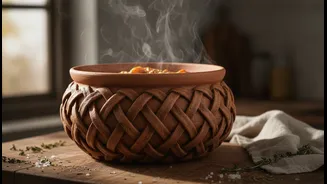
and folk heroes. Further afield in Alwar, artisans are known for 'Kagzi' pottery, which is crafted to be incredibly thin and lightweight. The traditional process is a testament to sustainable practice: local clay is kneaded, shaped by hand or on a wheel, sun-dried, and then fired in a kiln. This age-old method has given us everything from the humble 'matka' that cools water naturally to decorative 'diyas' that light up festivals.
The Challenge of Modern Urban Living
Today's urban Indian lifestyle presents a new set of needs. With shrinking apartment sizes, every square foot matters. Floor space is a premium, but the desire for wellness, greenery, and a connection to nature has never been stronger. City dwellers are increasingly moving away from mass-produced plastic and embracing decor that is sustainable, authentic, and tells a story. This creates a unique challenge: how to incorporate natural, handcrafted elements into a home without adding clutter? Artisans in Rajasthan are answering this call not by abandoning their traditions, but by adapting their forms to fit these new realities.
Innovation in Form and Function
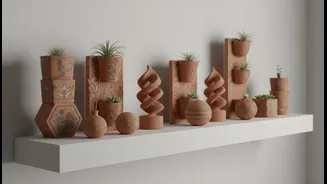
The genius lies in reimagining terracotta for vertical spaces. Instead of wide-based pots that consume valuable floor area, artisans are creating clever, space-saving designs. One of the most popular innovations is the vertical garden planter, featuring stackable or wall-hanging pots that allow you to grow multiple plants in a single column. You can now find entire walls adorned with interlocking terracotta modules and hand-painted hanging planters that turn a plain wall into a living tapestry of green. The innovation extends to kitchens, with stackable spice jars and compact yogurt-setting pots that blend traditional utility with a modern, space-conscious aesthetic. Even architectural elements like terracotta 'jaali' screens are being used as partitions, offering privacy while allowing for light and air circulation.
Old Skills Creating New Solutions
Crucially, these modern products are not made with new, industrialised methods. Artisans are using the same hand-throwing skills and firing techniques passed down through generations. The innovation comes from collaboration and a deep understanding of the material's potential. Potters are experimenting with new shapes and forms that are modular and multi-functional. While a traditional 'matka' was designed for width and stability on the ground, a stackable planter requires precision in its dimensions to ensure it fits perfectly with the next piece. This evolution showcases how the artisans' deep knowledge of clay allows them to push the boundaries of design while maintaining the material's inherent integrity.
More Than Just a Pretty Pot
Choosing these terracotta items is about more than just smart design. It's a conscious choice for sustainability. Terracotta is natural, breathable, and biodegradable, making it far healthier for plants and the planet than plastic alternatives. Its porous nature helps regulate soil moisture and keeps roots cool. Furthermore, buying these products often means supporting artisan families and their local economies directly, helping to preserve a priceless cultural heritage. These objects serve as tangible links to the earth and to a history of craftsmanship, bringing a sense of warmth and authenticity that mass-produced items cannot replicate.