



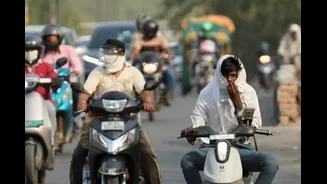
Why Was GRAP Activated?
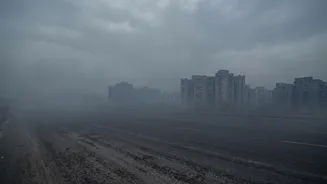
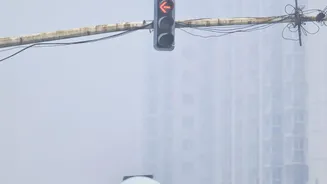
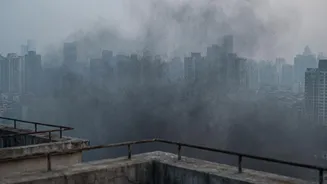
The Commission for Air Quality Management (CAQM) implemented Stage 1 measures on October 21 after the Air Quality Index (AQI) in Delhi crossed the 200-mark, entering the 'poor' category. The city's 24-hour average AQI stood at 244 on Wednesday afternoon,
a significant jump from 179 ('moderate') the previous day. Forecasts from the IMD and IITM predicted that the air quality would likely remain in the 'poor' range, prompting the CAQM to roll out these preventative measures to stop the air from deteriorating further.
Understanding the GRAP Framework
First notified in 2017 following a Supreme Court order, the Graded Response Action Plan is a set of emergency measures that are activated incrementally as air quality worsens. It is divided into four stages based on AQI readings: Stage 1 ('Poor', AQI 201-300), Stage 2 ('Very Poor', AQI 301-400), Stage 3 ('Severe', AQI 401-450), and Stage 4 ('Severe+', AQI above 450). The core idea is to act early rather than wait for a public health emergency. When a higher stage is invoked, the rules from the lower stages continue to apply.
Key Rules Under Stage 1
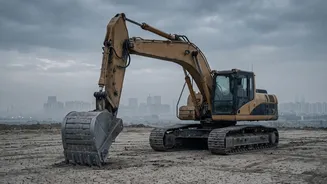
The measures under Stage 1 primarily target major sources of pollution like dust, and certain types of fuel combustion. All construction and demolition (C&D) activities must strictly follow dust control norms, such as covering materials and sprinkling water. Projects on plots larger than 500 square metres must be registered on the government portal to continue operating. A ban has been placed on the open burning of garbage. Furthermore, hotels, restaurants, and open eateries are now prohibited from using coal and firewood in tandoors, and must switch to electricity or clean gas fuels. Use of diesel generators is also restricted.
Impact on Daily Life and Commute
For the average citizen, Stage 1 does not involve drastic restrictions like a ban on private cars or mandatory work-from-home policies. However, enforcement of Pollution Under Control (PUC) certificates will be stricter. Authorities will focus on minimising traffic congestion. There are also new rules for inter-state buses, which will not be permitted to operate in Delhi-NCR unless they are electric, CNG, or BS-VI compliant diesel vehicles. Citizens are advised to contribute by using public transport, carpooling, keeping vehicle tires properly inflated, and turning off car engines at red lights.
What Comes Next?
The sub-committee on GRAP will continue to monitor the air quality on a daily basis. If the AQI continues to deteriorate and enters the 'Very Poor' category (301-400), Stage 2 will be invoked. This would bring additional measures, including stricter limits on diesel generator use and increased parking fees to discourage private vehicle usage. Subsequent stages (III and IV) involve more severe restrictions, such as bans on C&D activities and the entry of certain types of trucks into Delhi. The goal is to escalate the response in line with the severity of the pollution to protect public health.