
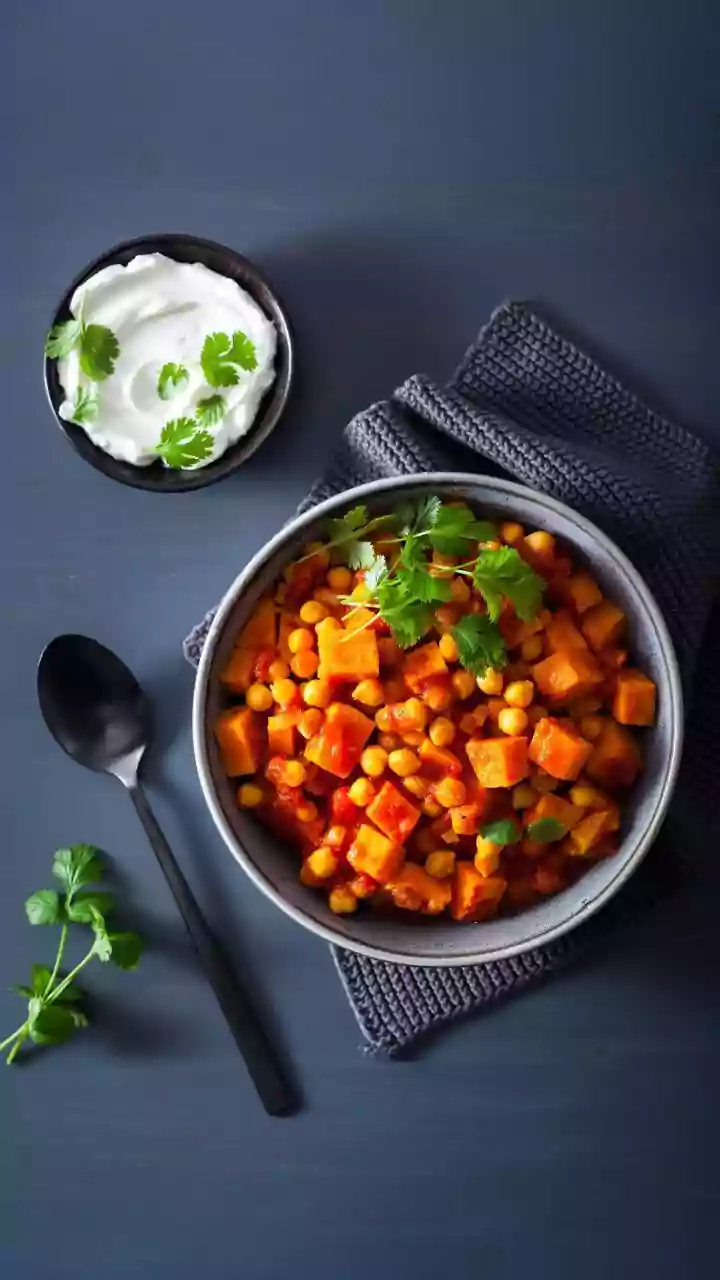




The Magic of a Master Gravy
A versatile curry base, often called a master gravy, is the secret weapon of Indian restaurant kitchens and savvy home cooks. It’s a foundational sauce, typically made from a slow-cooked blend of onions, tomatoes, ginger, and garlic, along with aromatic
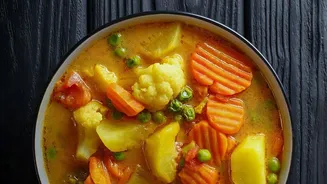
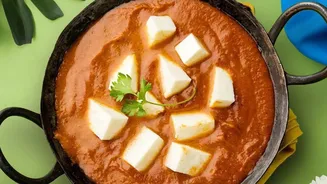
spices. By preparing this base in a large batch, you do the time-consuming work—the browning of onions and blooming of spices—just once. This pre-cooked base can then be adapted to create a huge variety of dishes, from a simple vegetable curry or chana masala to a more elaborate chicken tikka masala or paneer butter masala. It’s the ultimate shortcut to a delicious meal without compromising on the deep, developed flavour that makes Indian food so satisfying.
Crafting Your All-Purpose Base
While recipes vary, a great all-purpose base starts with the basics. The process generally involves slowly caramelising a large quantity of onions in oil until they are deeply golden brown, which can take up to 30 minutes. This step is crucial for developing a sweet, rich foundation. Next, you’ll add ginger and garlic paste, cooking it until the raw smell disappears. Then come the ground spices—like turmeric, coriander, and cumin powder—which are toasted for a minute to release their essential oils. Finally, puréed tomatoes are added and the entire mixture is simmered until it thickens and the oil begins to separate from the masala, a key visual cue that your base is ready. You can make it as simple or complex as you like; some recipes include nuts for creaminess or whole spices for aroma.
Cooling Down Is Crucial
Before you even think about storage, you must let the curry base cool down completely. Placing a large, hot batch of food directly into the fridge can raise the internal temperature of the appliance, putting other foods at risk of bacterial growth. More importantly, sealing a hot or warm base in a container will create condensation. This excess moisture can alter the texture of your base and accelerate spoilage. To cool it quickly and safely, you can spread the base out on a large tray or place the cooking pot in a larger bowl of cold water, stirring occasionally to release the heat evenly. Patience in this step ensures your base stays fresh and safe to eat.
Smart Fridge Storage
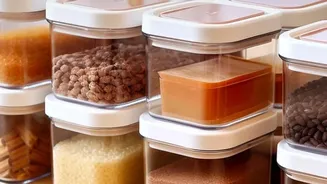
For short-term storage, the refrigerator is your go-to. A well-made curry base can last for up to a week in the fridge when stored correctly. The key is using an airtight container to prevent the base from drying out or absorbing other odours. In a small apartment fridge where space is at a premium, container choice is everything. Opt for square or rectangular containers over round ones, as they stack neatly and use space more efficiently. Flat, stackable glass or high-quality plastic containers are excellent choices. Glass is particularly good as it won’t stain or retain the powerful aroma of the spices. Always use a clean spoon each time you take a portion out to avoid introducing bacteria.
The Freezer: Your Space-Saving Ally
For long-term storage and ultimate convenience, the freezer is your best friend. A frozen curry base can last for three months or even longer, locking in the flavour from the day you made it. The most space-efficient method for a small freezer is the ice cube tray trick. Spoon the cooled paste into standard ice cube trays and freeze until solid. Once frozen, pop the cubes out and transfer them to a single large, labelled freezer bag. This allows you to grab just one or two cubes—the perfect portion for a quick single-serving meal. Another excellent method is to use reusable silicone bags or zip-top freezer bags. Spoon the base in, press out all the air, and lay the bags flat to freeze. Once solid, they can be stacked vertically like files, taking up minimal space.
Labelling for Future Success
A freezer full of mysterious red and brown blocks is a recipe for confusion, not a quick dinner. Always label your containers or bags with the name of the base and the date it was made. This helps you use the oldest batches first and know exactly what you’re grabbing. If you make different types of bases—perhaps one with a coconut milk foundation and another that’s tomato-based—clear labelling becomes even more critical. Store your neatly frozen, labelled portions together in one section of your freezer. A small basket or bin can help corral the bags or cubes, making them easy to find and preventing them from getting lost behind other frozen goods.