






The Allure of Rainy Day Air
There’s little that compares to the sensory experience of a fresh downpour after a long, hot spell. The cool breeze and the clean smell of rain-washed air are temptations that are hard to resist. Rain can act as a natural air purifier, washing away dust,
pollen, and other pollutants from the atmosphere. This process, known as wet deposition, can result in some of the cleanest, freshest air you'll experience. Letting this air circulate through your home, even for a few minutes, can help flush out stale indoor air, which is often more polluted with household chemicals, dust, and allergens.
The Hidden Risk: Humidity
The single biggest factor to consider is humidity. While the outdoor air might feel fresh, it is also saturated with moisture. When you open your windows during a heavy downpour, you invite this high humidity into your home. While it might seem that indoor air is drier, everyday activities like cooking, showering, and even breathing add a significant amount of water vapour to it. When you combine this with the moisture-laden air from outside, you create an environment where indoor relative humidity can skyrocket. Experts generally recommend keeping indoor humidity levels between 40-60% for optimal comfort and health. Anything higher can lead to a host of problems.
Why High Humidity Is a Problem
Consistently high humidity is more than just a matter of feeling sticky and uncomfortable. It is the perfect breeding ground for mould and mildew, which can grow on walls, furniture, clothing, and even in your air conditioning ducts. These fungi not only cause a musty odour and damage your belongings but can also release spores that trigger allergies and respiratory issues. Furthermore, a damp environment can attract pests and even cause structural damage over time, such as peeling paint and warped wooden furniture. Keeping your home sealed from excess moisture during peak rain is a crucial preventative measure.
When You Must Keep Windows Closed
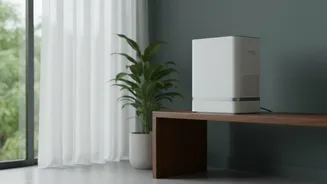
It is wisest to keep your home sealed during certain conditions. During a heavy downpour or a thunderstorm, keep all windows and doors shut. Strong, wind-driven rain can easily enter your home, causing water damage to floors, sills, and nearby electronics. It also poses a safety risk, especially during thunderstorms with lightning. If the outdoor humidity is extremely high, even during a light drizzle, keeping windows closed is the better option to prevent your home from becoming damp and sticky. In these situations, it's better to rely on an air conditioner or a dehumidifier to manage indoor air quality and comfort.
The Best Times to Ventilate
This doesn't mean your home should be hermetically sealed all season. Ventilation is vital. The best time to open your windows is after the rain has stopped and the ambient humidity has started to drop. This allows you to air out any moisture that built up during the storm and refresh the indoor air. If you're eager for fresh air during a lighter, less windy shower, you can practice "shock ventilation." This involves opening windows on opposite sides of the house for just 5-10 minutes to create a quick cross-breeze. This rapid air exchange replaces stale air without giving the walls and furniture enough time to absorb moisture.