





The New Reality of Monsoon Travel
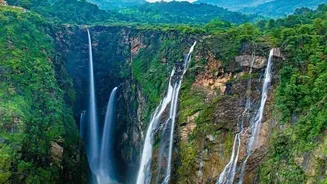
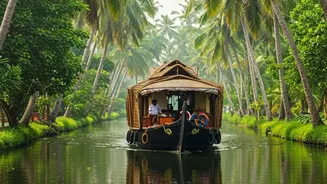
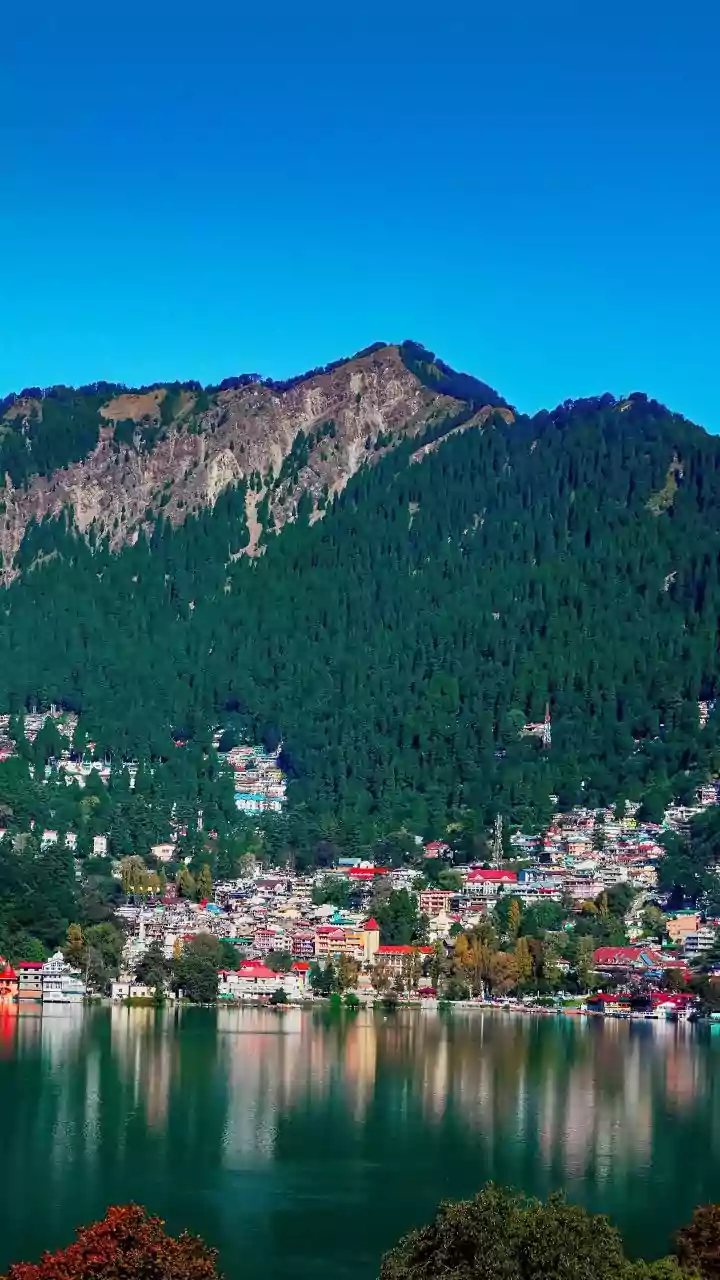
Planning a trip between June and September once meant scoring off-season deals. Today, while deals exist, the season is anything but quiet. An increasing number of Indians are embracing monsoon travel, flocking to destinations like Goa, Coorg, and the Western
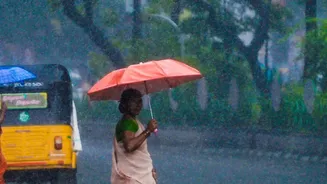
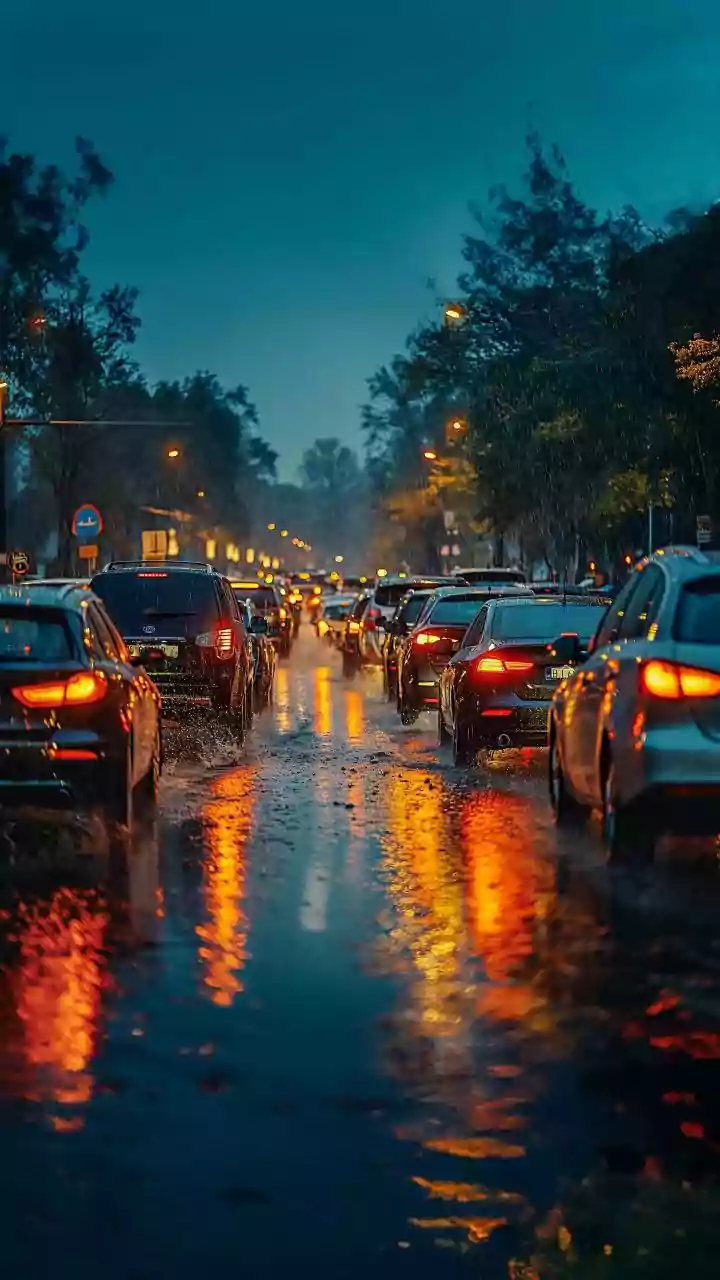
Ghats for their lush, rain-washed beauty. However, this popularity coincides with a rise in weather-related disruptions. Recent monsoons have seen severe events, from flash floods and landslides in states like Himachal Pradesh and Uttarakhand to widespread waterlogging and flight diversions in Kerala. Authorities frequently issue travel advisories, urging caution and asking people to avoid unnecessary journeys as roads become impassable and conditions turn dangerous. This predictable unpredictability means a non-refundable booking is no longer a calculated saving but a significant financial gamble.
Decoding 'Flexible Accommodation'
The term 'flexible' is more than just a buzzword; it represents a crucial shift in the hospitality industry. At its core, it means you can change or cancel your booking without forfeiting the entire amount. However, the degree of flexibility varies. The most common type is a 'free cancellation' policy, which allows you to cancel without penalty up to a specific deadline, typically 24 to 48 hours before check-in. Other options include the ability to reschedule your stay for a later date or receive a travel credit for future use. Some online travel agencies (OTAs) and hotels are even offering innovative products like 'Cancel for No Reason' policies, which provide a substantial refund even for last-minute changes, though often for a small premium. Understanding these nuances is key to choosing the right option for your trip.
The Art of Reading the Fine Print
The promise of flexibility can sometimes be misleading if you don't read the terms and conditions carefully. A rate advertised as 'flexible cancellation' might only offer a partial refund or have a very early cancellation deadline. Before you book, scrutinise the cancellation window. Does it end 24 hours before check-in, or is it 72 hours? For monsoon travel, a shorter window is always better. Check what happens if you cancel after the deadline; some policies will charge you for one night, while others will keep the full amount. Also, verify how refunds are processed—is it a credit back to your card or a hotel voucher with an expiry date? Platforms like MakeMyTrip, Cleartrip, and Goibibo often have filters that let you search specifically for properties with traveller-friendly policies, making the process much easier.
Is Flexibility Worth the Extra Cost?
A flexible rate is often slightly more expensive than its non-refundable counterpart. This small premium can be seen as a form of self-administered travel insurance for your accommodation. While a non-refundable deal might save you a few hundred rupees, a cancelled trip due to a flooded highway or a red alert from the weather department could mean losing thousands. The extra cost of a refundable booking buys you peace of mind and the adaptability to change your plans without significant financial loss. In the long run, especially for trips booked well in advance or to areas prone to weather disruptions, the potential savings from avoiding a forfeited deposit often outweigh the higher initial price. Think of it less as an expense and more as an investment in a stress-free travel experience.
A Strategy for Smarter Travel
Adopting a 'flexibility-first' mindset is becoming essential for modern Indian travellers. It's about more than just a cancellation policy; it's a strategic approach to planning in an uncertain world. When booking your next monsoon adventure, actively seek out and compare flexible options. Use OTA filters, book directly with hotel chains known for their lenient policies, and always double-check the cancellation deadline before you pay. Some travel experts even suggest booking flights and hotels separately rather than as a rigid package, as this provides more latitude if one component of your trip is disrupted. By prioritising flexibility, you are not just protecting your money; you are empowering yourself to adapt, reschedule, and still enjoy your holiday, even if the weather has other plans.