

The All-Too-Familiar Soundtrack of Travel
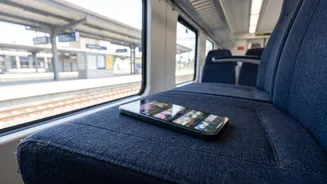
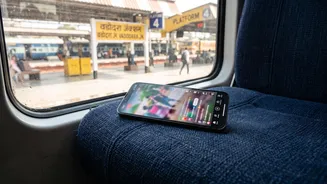
The rhythmic clatter of the train on the tracks, the gentle hum of the air conditioner—these are the expected sounds of a railway journey. But a new, unwelcome addition has become a common source of frustration: the one-sided, tinny audio of a personal
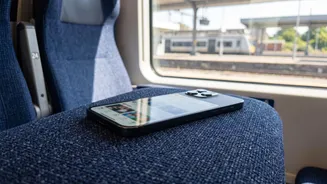
phone call or video played at full volume. What was once an occasional annoyance has morphed into a frequent disruption, turning shared public spaces into unwilling performance arenas for private conversations. Passengers find themselves privy to family gossip, business deals, and arguments, all broadcast for the entire compartment to hear. This erosion of the unspoken contract of shared space is leading to rising tensions and a louder conversation about civic sense.
Railways Take a Harder Stance
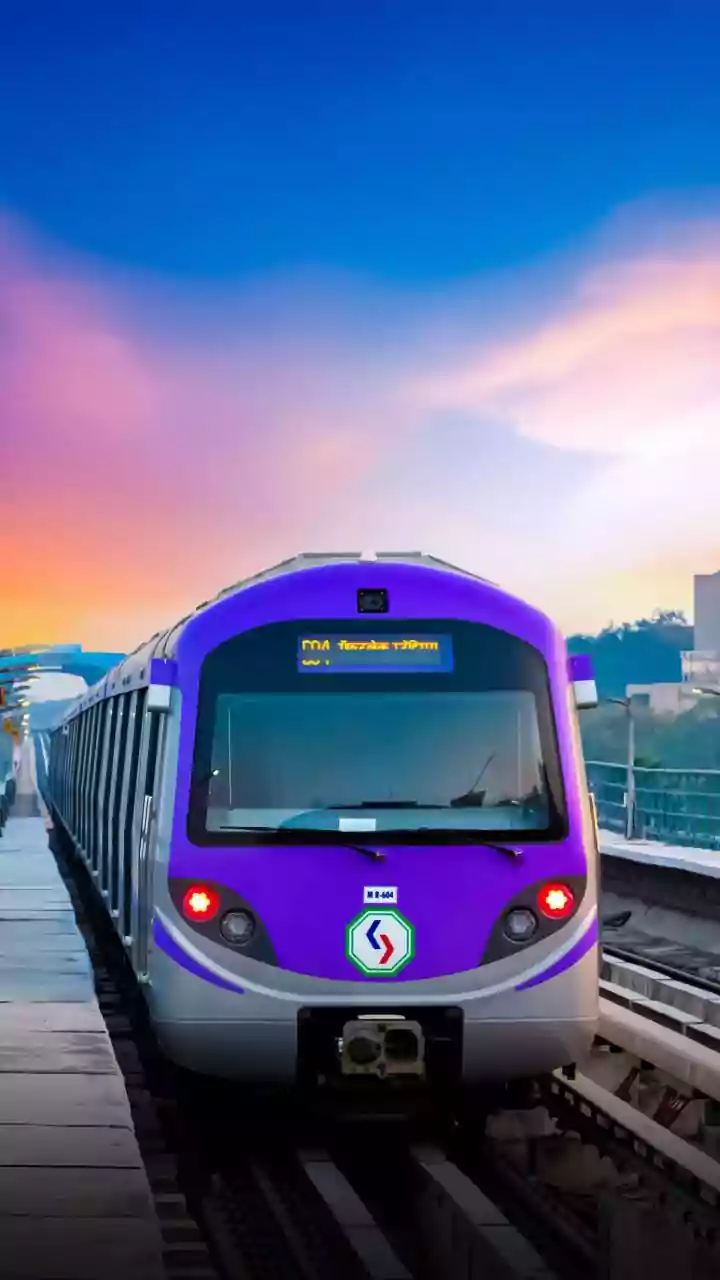
This isn't just about passenger complaints anymore; authorities are taking notice. In a significant move in October 2026, Southern Railway issued a directive to crack down on this very nuisance. Citing the Railways Act, the authorities have warned that playing music or videos on speaker, or engaging in loud phone calls, can now result in serious penalties. First-time offenders may face a fine of up to ₹1,000. For those who persist despite warnings, the consequences can escalate to imprisonment for up to six months and a fine of up to ₹5,000. To ensure the message gets across, railway divisions have been instructed to use public address systems to make announcements in multiple languages and display notices about the rules.
Why Is It So Irritating?
The irritation from a public speakerphone call goes beyond just the volume. Psychologically, our brains are wired to tune out predictable background noise. However, a 'halfalogue'—hearing only one side of a conversation—is unpredictable. Your brain instinctively tries to fill in the missing parts, making it impossible to ignore. The distorted, high-pitched frequency of a phone speaker also cuts through ambient noise rather than blending in, constantly demanding your attention. Some psychologists suggest this behaviour can stem from a lack of empathy or a simple egocentric bias, where individuals don't fully consider how their actions impact those around them. In a crowded train, this translates into one person's convenience becoming a major source of stress for dozens of others.
The Blurring Lines of Public and Private
The smartphone has revolutionized communication, but it has also blurred the lines between private life and public space. With high-speed internet now widely accessible even on the move, the temptation to stream media or take video calls without earphones has grown. What feels like a private activity is, in reality, a public broadcast. This phenomenon isn't just limited to India; a travel couple recently shared their embarrassment during a trip in Switzerland when a fellow Indian passenger’s loud call disturbed a quiet train, highlighting how such actions can form broader cultural impressions. The core of the issue is a failure to recognize that a shared coach requires a shared sense of responsibility for the environment.
What Can You Do About It?
Confronting a noisy passenger can be intimidating and may lead to unpleasant arguments. Fortunately, there are official channels. Indian Railways encourages passengers to report such disturbances. You can discreetly inform the Travelling Ticket Examiner (TTE) or other railway staff on board. They are instructed to handle such situations politely and tactfully. For a more direct approach, passengers can also file a complaint through the RailMadad portal or by calling the helpline number 139. Providing details like the coach and berth number can help authorities address the issue promptly. The new enforcement measures empower railway staff to intervene, moving the burden away from passengers having to police each other.