


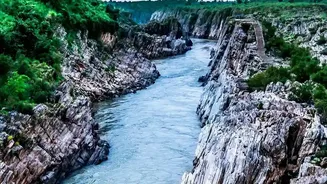
The Green Season Overtakes the Golden
For decades, Rajasthan's tourism calendar has been predictable: peak season during the cool winter months and a lull during the scorching summer. The monsoon, from July to September, was traditionally seen as an off-season. However, recent trends show
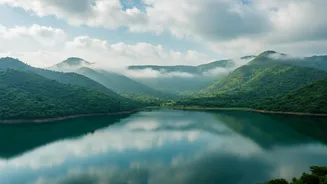
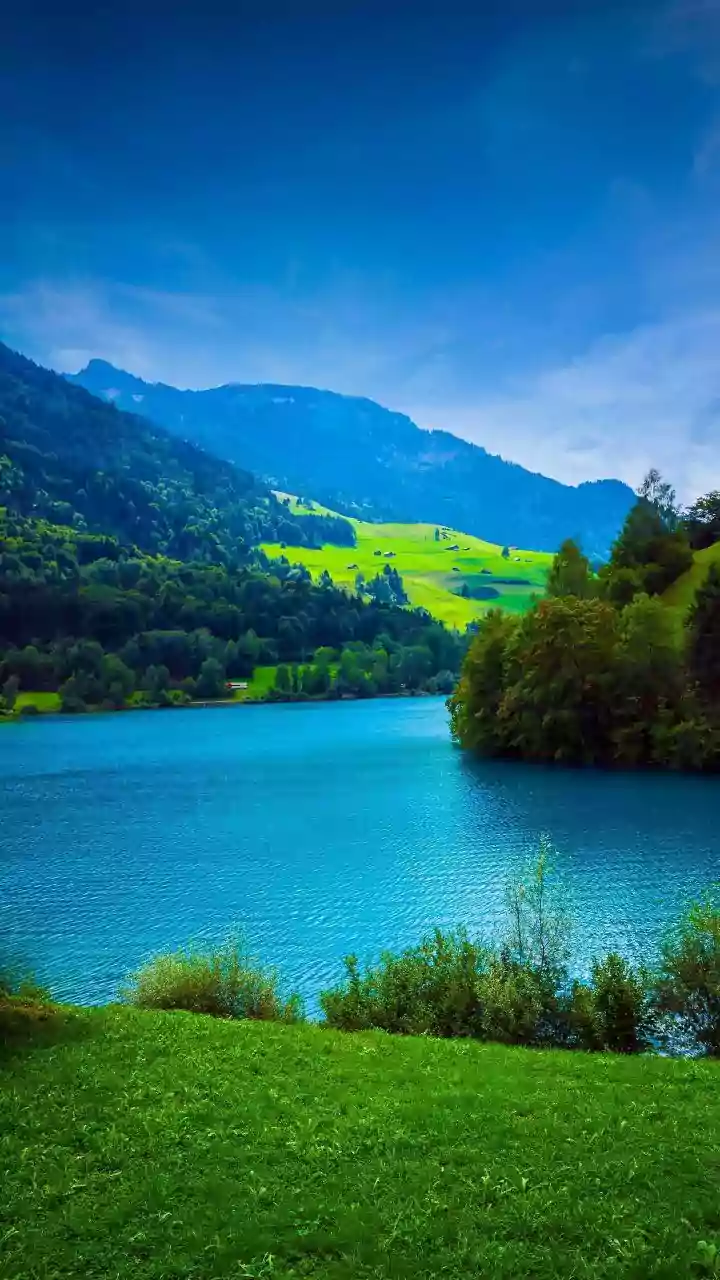
a significant shift. Travellers are now actively choosing the rainy season for their getaways, drawn by the promise of a transformed landscape. After months of intense heat, the rains bring a dramatic makeover, turning parched lands into lush, green vistas dotted with overflowing water bodies. This has led to a noticeable surge in 'green tourism', with visitors opting for slower, more immersive journeys beyond the usual city circuits. The appeal is clear: fewer crowds, lower travel and accommodation costs, and the chance to see a familiar destination with fresh eyes.
From Arid Plains to Ephemeral Oases
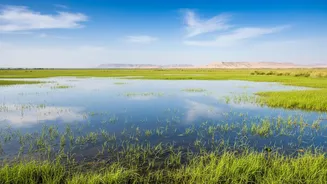
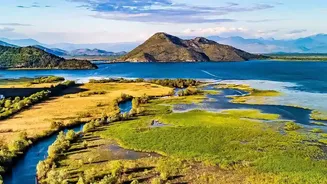
At the heart of this travel trend is a striking ecological phenomenon: the emergence of temporary wetlands. Areas that are dry for most of the year suddenly come alive. Seasonal rivers like the Mendha and Rupangarh, which feed into vast depressions such as Sambhar Lake, fill up, creating shallow, mirror-like bodies of water. This process of alternate wetting and drying is crucial for the region's unique ecology. These monsoon-fed wetlands become vibrant ecosystems almost overnight. Keoladeo National Park, a UNESCO World Heritage Site, sees its wetlands rejuvenated, providing a crucial breeding ground for resident birds like herons, storks, and kingfishers. Similarly, newly designated Ramsar sites like the Menar Wetland Complex in Udaipur, a collection of freshwater ponds and flooded farmland, become vital habitats for over a hundred species of waterbirds.
Chasing Waterfalls in the Desert
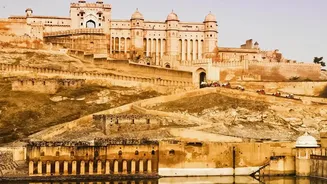
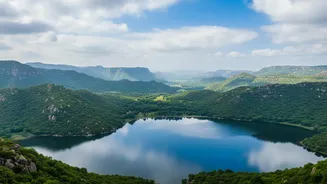
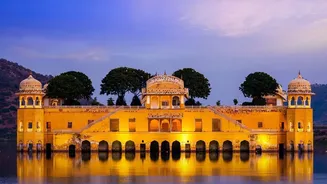
For tourists, this seasonal transformation offers a wealth of new experiences. The focus shifts from historical tours to nature-centric activities. Udaipur, the 'City of Lakes', becomes particularly enchanting as its lakes swell, offering romantic boat rides against a backdrop of green Aravalli hills. The Sajjangarh Monsoon Palace, originally built to watch the monsoon clouds, lives up to its name, providing spectacular views. Travellers are venturing to destinations like Bundi and Mount Abu, Rajasthan's only hill station, to see misty valleys and seasonal waterfalls. Even wildlife tourism adapts; while core zones of parks like Ranthambore are closed, buffer-zone safaris offer rewarding sightings in the vibrant, green landscape. Photography enthusiasts are particularly drawn to this season, capturing dramatic cloud-filled skies and the rare sight of a rain-washed desert.
A Welcome Boom with a Note of Caution
This monsoon travel boom is a significant boost for the local economy and hospitality industry, especially in smaller and emerging destinations. It helps counter the severe seasonality that has long plagued Rajasthan's tourism sector, which traditionally sees a sharp decline in summer. However, this new trend also brings challenges. These temporary wetlands are incredibly fragile ecosystems. An influx of tourists, if not managed properly, can lead to pollution and habitat disruption, putting pressure on precious water resources and wildlife. For example, while the monsoon revives many wetlands, some, like Keoladeo National Park, have faced water shortages in recent years due to issues with their traditional water sources, making the health of the ecosystem precarious. The growth in tourism must be balanced with responsible practices to ensure these natural spectacles can continue to thrive.