


It's All About the Speed of Light
The secret to this cosmic time travel lies in a simple, fundamental rule of the universe: light, while incredibly fast, does not travel instantaneously. It moves at a finite speed of about 2,99,792 kilometres per second. That sounds impossibly quick,
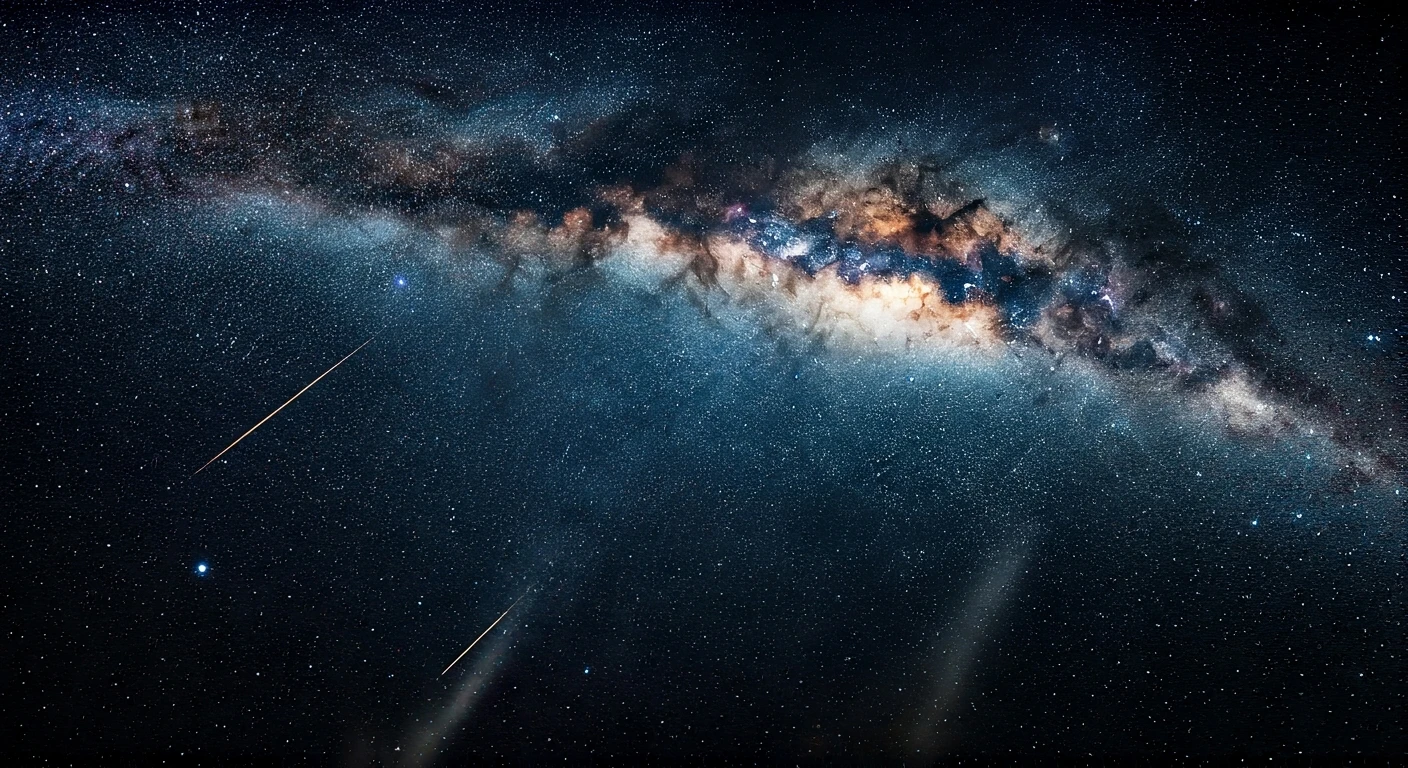
and for our day-to-day lives on Earth, it might as well be instant. But space is vast—unimaginably so. The distances between celestial objects are so enormous that even light needs time to cross them. Think of it like hearing thunder after you see lightning. The sound travels much slower than the light, so there's a delay. The light from a distant star works the same way, but on a galactic scale. The starlight you see tonight started its journey long ago. By the time it reaches your eyes, you are essentially looking at a snapshot of that star from the distant past.
A Look Around Our Cosmic Neighbourhood
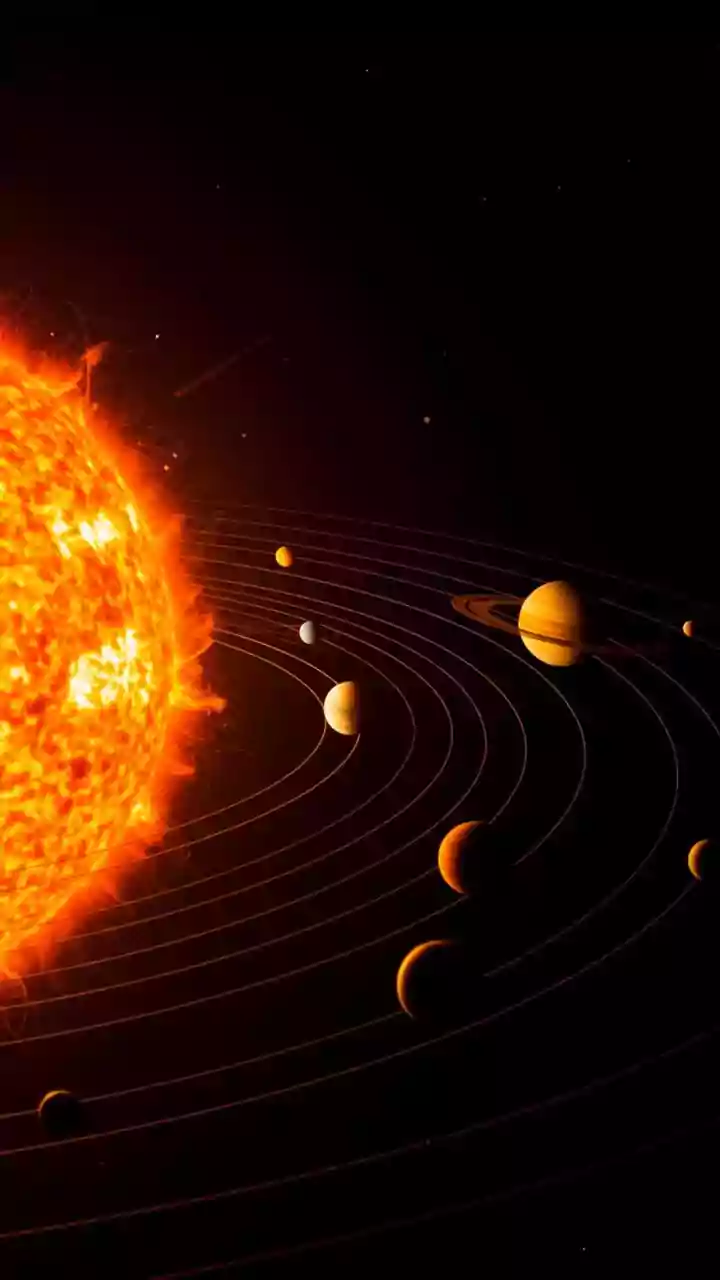
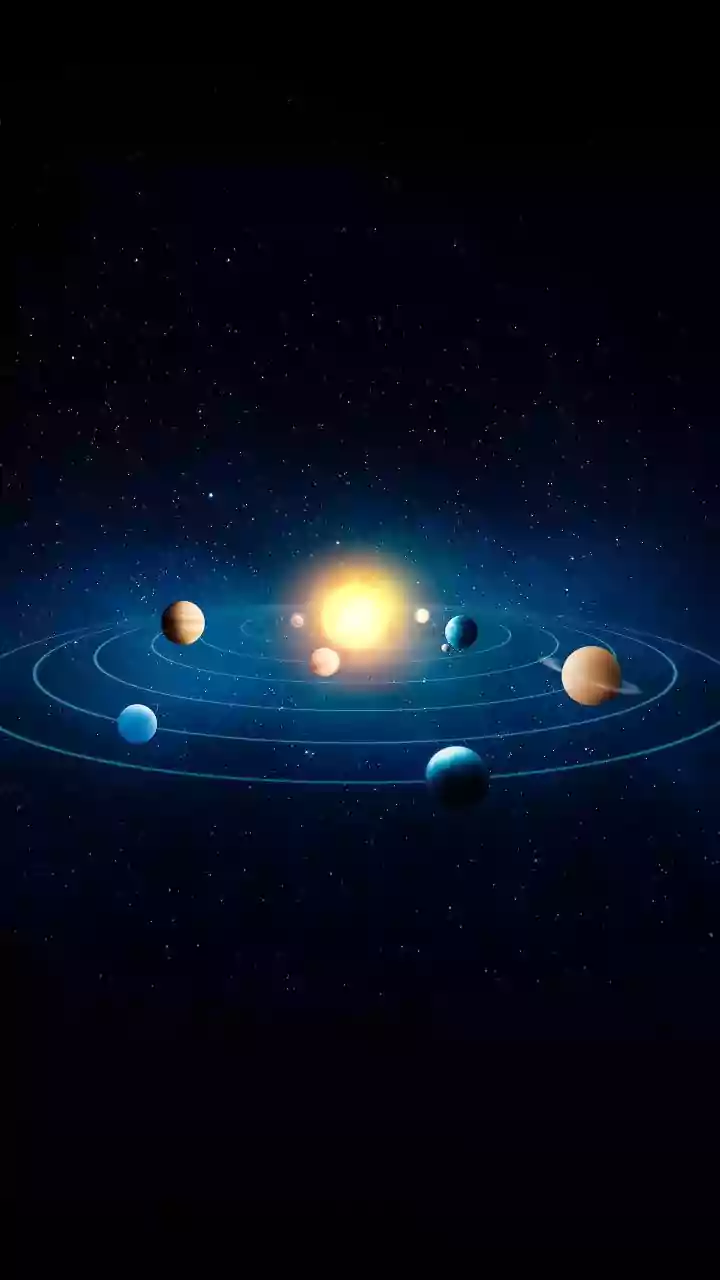
This effect isn't just for distant stars; it starts right here in our own solar system. The Sun, our closest star, is about 150 million kilometres away. The light you feel on your skin right now actually left the Sun about 8 minutes and 20 seconds ago. If the Sun were to suddenly vanish, we wouldn't know about it for over eight minutes. We are always seeing our own star on a slight time delay. It’s the same for planets. When you spot Jupiter shining brightly in the sky, you are seeing it as it was anywhere from 30 minutes to over an hour ago, depending on its position relative to Earth. Every single point of light in the sky is a 'ghost' from the past, even if it's only a few minutes old.
Seeing Stars from Before the Mughal Empire
Once we look beyond our solar system, the time delays become truly staggering. The nearest star system to us, Alpha Centauri, is about 4.3 light-years away. This means the light we see from it tonight began its journey 4.3 years ago. You are seeing the star as it was when you were in a different grade at school. Consider Dhruva Tara, or Polaris, the North Star. A guide for travellers for centuries, it sits nearly 433 light-years away. The light that reaches us tonight from Polaris started its journey around the year 1591, during the reign of Emperor Akbar. The star you see is from a time before the Taj Mahal was even conceived. What about the Saptarishi (the Big Dipper)? The stars in that famous asterism are at varying distances, from about 80 to 125 light-years away. You're not just looking at a flat pattern; you're looking at a 3D arrangement across both space and time.
Peering Millions of Years into the Past
This is where the concept truly bends the mind. Some objects in the night sky are not even stars in our galaxy, but entire other galaxies, each containing billions of stars. The most famous of these is the Andromeda Galaxy. Under dark, clear skies, it is visible from India as a faint, fuzzy smudge. That smudge is 2.5 million light-years away. The faint light you see from Andromeda began its journey when our earliest human ancestors, like *Homo habilis*, were first walking the Earth. It has been travelling through space for 2.5 million years, long before modern humans existed, just to end its journey in your eyeball. Every time you glance at Andromeda, you are witnessing light that is older than our entire species.
Why This Makes the Sky a Time Machine
For astronomers, this cosmic delay isn't a bug; it's a feature. It makes every telescope, from a backyard scope to the James Webb Space Telescope, a powerful time machine. By looking at objects that are billions of light-years away, scientists are literally seeing the universe as it was billions of years ago. This allows them to study the formation of the first galaxies, witness the birth of stars in the early cosmos, and piece together the history of the universe itself. Even more mind-bending is the fact that some of the stars you see in the sky may not even exist anymore. A massive star 2,000 light-years away could have exploded in a supernova 1,000 years ago, but we wouldn't know it. Its 'death notice' is still travelling through space, and for another 1,000 years, we would continue to see the star shining brightly as if nothing had happened.