




The Science of the Mid-Morning Crash
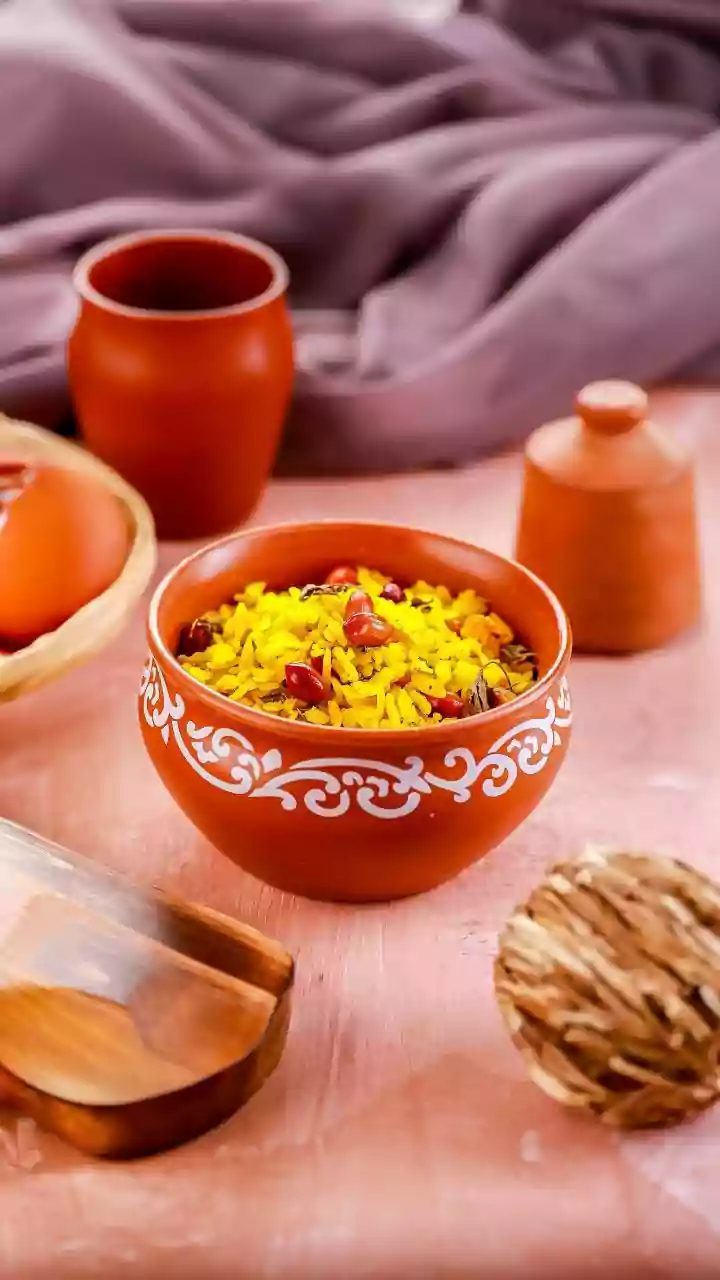
The feeling is universal. You start the day strong, but by mid-morning, a wave of fatigue hits. This isn't just in your head; it's a physiological response to what you ate for breakfast. Many traditional Indian breakfasts, like poha, idli, or toast with
jam, are high in carbohydrates. While delicious, these foods break down into glucose (sugar) quickly, causing a rapid spike in your blood sugar. Your body responds by releasing a surge of insulin to manage this sugar, but this can lead to an overcorrection, causing your blood sugar to plummet. This 'sugar crash' is what leaves you feeling drained, irritable, and craving another quick fix, creating a vicious cycle. Studies show that such a meal can reduce alertness and increase sleepiness a few hours later, perfectly timing the 11 AM slump.
Protein: Your Secret Weapon for Sustained Energy
This is where protein comes in. Unlike carbohydrates, protein has a much smaller impact on blood glucose levels. In fact, it plays a crucial role in stabilising them. When you pair protein with carbohydrates, it slows down digestion and the absorption of sugar into your bloodstream. This prevents the dramatic spikes and subsequent crashes, leading to a much more gradual and sustained release of energy. Think of it as switching from a fast-burning twig to a slow-burning log. Beyond energy, a protein-rich breakfast helps regulate appetite hormones, increasing the feeling of fullness and reducing cravings later in the day. Experts suggest aiming for 20-30 grams of protein at breakfast to reap these benefits, a target that many typical breakfasts fail to meet.
The Oats Chilla: A Perfect Protein-Packed Swap
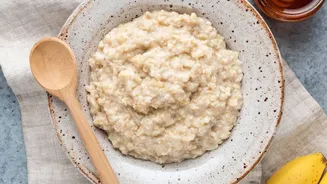
Enter the humble but mighty oats chilla. This savoury Indian pancake is an excellent example of a fast, high-protein breakfast. It's typically made from a batter of oats and besan (gram flour), both of which are good sources of plant-based protein and fibre. A single serving can provide around 8-10 grams of protein, and this can be easily boosted. The combination of protein and fibre from the oats and besan ensures you stay full and your energy remains stable. The oats provide complex carbohydrates for a slow energy release, while the besan adds a significant protein punch. Customise it with chopped vegetables like onions and tomatoes, or add crumbled paneer to further increase the protein content, making it a truly balanced and powerful start to your day.
More Quick and Easy Protein Breakfasts
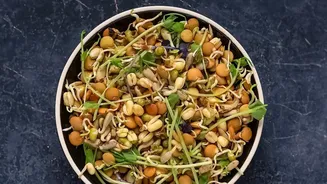
While the oats chilla is a fantastic option, the principle of adding protein can be applied to many Indian breakfast staples. The goal is to make simple, sustainable swaps. If you love chillas, a moong dal chilla is another protein powerhouse, offering up to 14-16 grams of protein for two pieces. Scrambled eggs, or 'egg bhurji', are a classic for a reason, providing around 14-18 grams of protein and ready in minutes. For a no-cook option, a bowl of Greek yogurt (or hung curd) with nuts and seeds can deliver 15-18 grams of protein. Even staples can be upgraded: add paneer bhurji (18-20g protein) on the side, toss sprouts into your poha, or try a sattu drink (13-15g protein), a traditional favourite from Bihar known for its high protein content.