





The Daily Reality of Desk Life
Hours spent in a chair aren't just mentally taxing; they take a physical toll. Prolonged sitting is linked to a host of health issues, including high blood pressure, increased body fat around the waist, and unhealthy cholesterol levels. This sedentary
lifestyle can slow circulation, weaken core and glute muscles, and tighten hip flexors, leading to chronic aches, particularly in the lower back and shoulders. Over time, this inactivity can contribute to muscle loss and decreased mobility, making the jump into an active lifestyle feel even more daunting. The cycle of sitting, fatigue, and discomfort is a common struggle for millions of office workers.
What Exactly Is a Low-Intensity Workout?
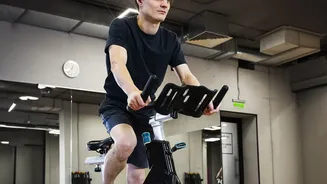
Enter Low-Intensity Steady-State cardio, or LISS. Unlike its high-intensity interval training (HIIT) counterpart, which involves short, explosive bursts of effort, LISS is all about maintaining a consistent, moderate pace for a longer duration, typically 30 to 60 minutes. The key is to keep your heart rate in a lower zone, around 50-70% of your maximum. A simple rule of thumb: you should be able to hold a conversation comfortably while doing it. Think of activities like brisk walking, leisurely cycling, swimming, or using an elliptical machine at a steady pace. It's exercise that works with your body, not against it.
The Power of Sustainability
The phrase "no pain, no gain" has led many to believe that workouts must be punishing to be effective. But for someone transitioning from a sedentary job, this all-or-nothing approach can lead to burnout, injury, and giving up entirely. This is where LISS truly shines. Because it's less intimidating and gentler on the joints, it has a much lower barrier to entry. You're less likely to feel completely exhausted afterward, which means you'll have the energy for the rest of your day and are more likely to stick with it long-term. Consistency is the true secret to fitness, and low-intensity workouts make it an achievable goal rather than a constant battle.
The Body and Mind Benefits
Don't let the "low-intensity" label fool you; the benefits are significant. LISS is excellent for improving cardiovascular health and endurance. It's particularly effective at training your body to use fat for fuel, which aids in weight management. For desk workers dealing with aches, the low-impact nature reduces the risk of injury and can even help manage chronic pain by promoting circulation and reducing inflammation. The mental health perks are just as compelling. The steady, rhythmic nature of LISS can act as a form of moving meditation, helping to reduce stress, anxiety, and symptoms of depression while improving your mood and overall sense of well-being.
Simple Ways to Get Started
Integrating low-intensity movement into your life doesn't require a dramatic overhaul. Start by identifying pockets of time in your day. Could you take a 30-minute brisk walk during your lunch break? Or perhaps a leisurely cycle on a stationary bike while listening to a podcast after work? Swimming is another fantastic full-body, low-impact option. The goal is to aim for at least 150 minutes of moderate activity per week, which can be broken down into smaller, manageable sessions. You can even start with 10 to 20 minutes a day and gradually increase the duration as you feel more comfortable. The key is to choose an activity you genuinely enjoy, as that makes it feel less like a chore and more like a welcome break.