


Rethink Your Cooking Methods
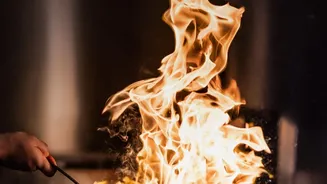
The single biggest way to cut down on oil consumption is to move away from deep-frying. Instead of frying pakoras, bhajis, or cutlets, consider using an air fryer, which can achieve a similar crispiness with a fraction of the oil. Baking is another excellent
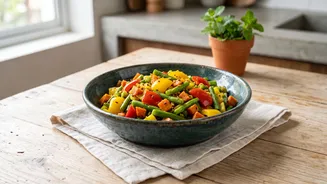
alternative for items like samosas and tikkis. Steaming vegetables instead of sautéing them not only preserves nutrients but also eliminates the need for oil altogether. For curries and dals, using a pressure cooker is a time-tested Indian tradition that also happens to be incredibly efficient. It drastically reduces cooking time, which in turn saves on cooking gas, and requires less oil as the sealed environment prevents moisture loss.
Invest in the Right Cookware
The tools you use can dramatically change how much oil you need. A good quality non-stick pan or kadhai is a worthwhile investment, as it prevents food from sticking and allows you to cook with just a teaspoon of oil. Well-seasoned cast iron cookware develops a naturally non-stick surface and provides excellent heat distribution, reducing the need for excess oil to coat the pan. When food seems to be sticking, your first instinct might be to add more oil. Instead, try deglazing the pan by adding a splash of water or vegetable stock. This lifts the flavourful browned bits from the bottom without adding extra fat.
Master Mindful Oil Usage
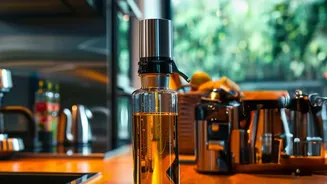
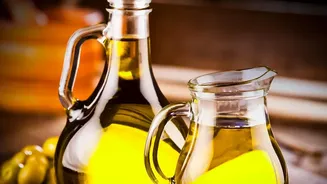
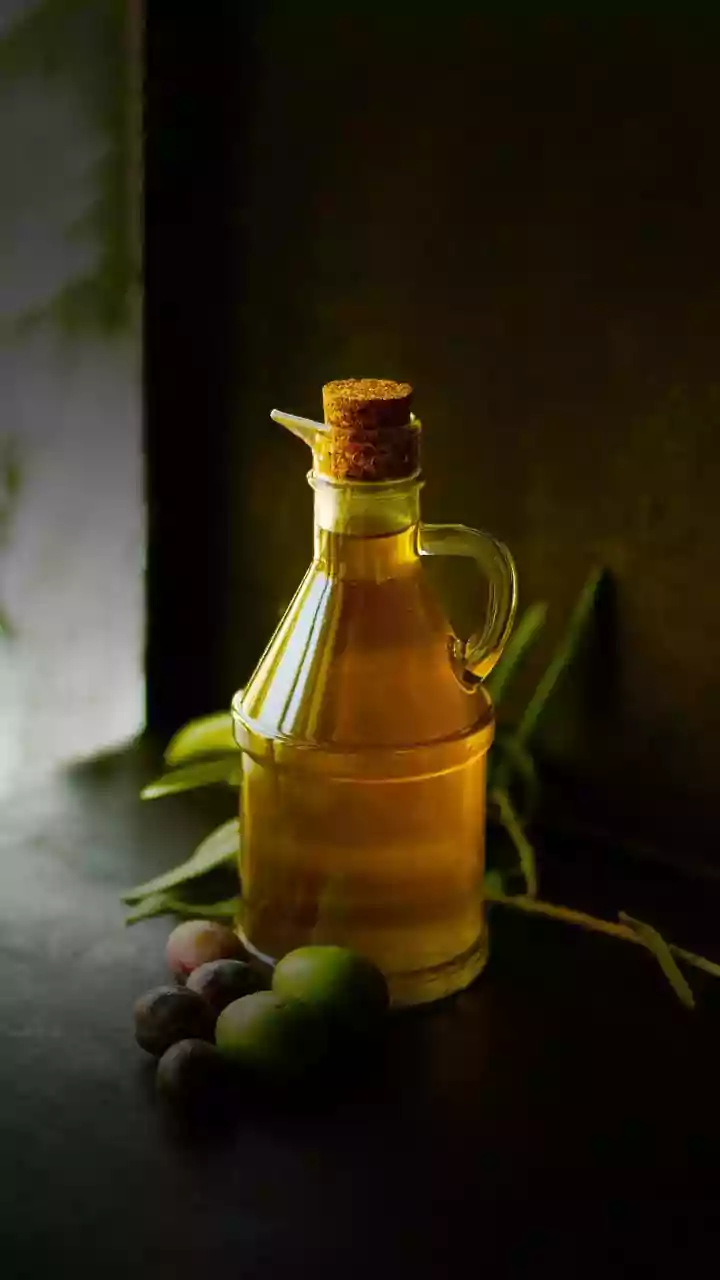
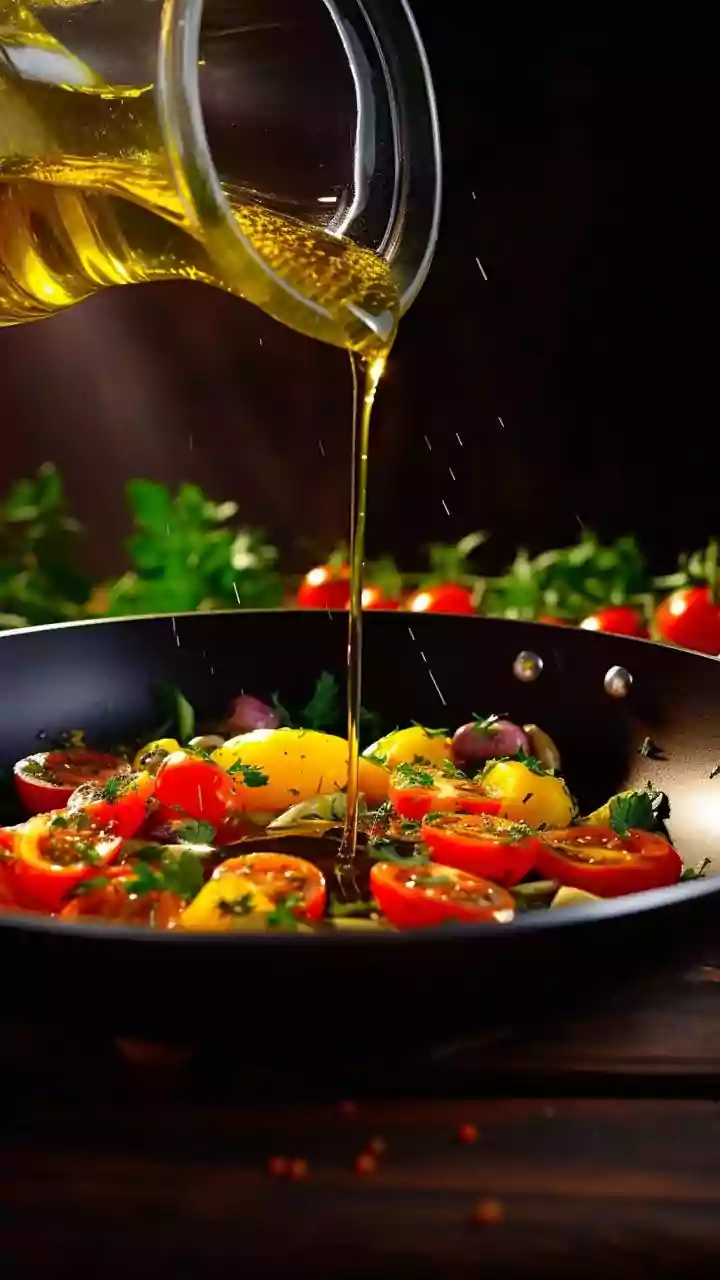
Instead of pouring oil directly from the bottle, which often leads to using far more than necessary, measure it out with a spoon. For an even lighter touch, consider using an oil mister or spray bottle. This allows you to apply a thin, even coat across your entire cooking surface, which is perfect for greasing a pan for dosas or sautéing vegetables. Another effective technique is to dry roast whole spices like cumin and coriander seeds in a hot pan before adding them to your dish. This process releases their aromatic essential oils through heat, not fat, allowing you to get maximum flavour without needing extra oil to 'bloom' them.
Save on Energy, Too
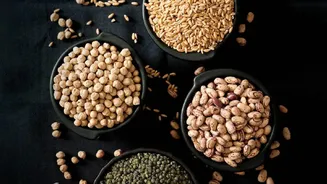
Being cost-conscious in the kitchen extends beyond just oil. Simple habits can lower your LPG or electricity bills. Always try to match the size of your pot or pan to the size of the burner; using a small pot on a large burner wastes a significant amount of heat. Whenever possible, cook with a lid on. This traps steam and heat, which helps food cook faster and more evenly, reducing overall cooking time and fuel consumption. For items that take a long time to cook, like dals, chana, or rajma, soaking them for a few hours beforehand can significantly cut down on the time they need on the stove.
Plan Your Meals and Reduce Waste
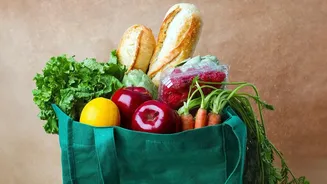
Meal planning is a powerful tool for saving money. Knowing what you're going to cook for the week allows you to shop for exactly what you need, reducing impulse buys and potential food waste. Batch cooking can also be a game-changer. Preparing larger quantities of staples like curry bases, boiled potatoes, or cooked dal over the weekend means you use your stove less frequently during the week. It saves time and energy, as reheating in a microwave uses far less power than cooking a meal from scratch. Finally, letting refrigerated items come to room temperature for a few minutes before cooking means your stove doesn't have to work as hard to heat them up, saving a little bit of gas every day.