




The Midnight Heat Problem
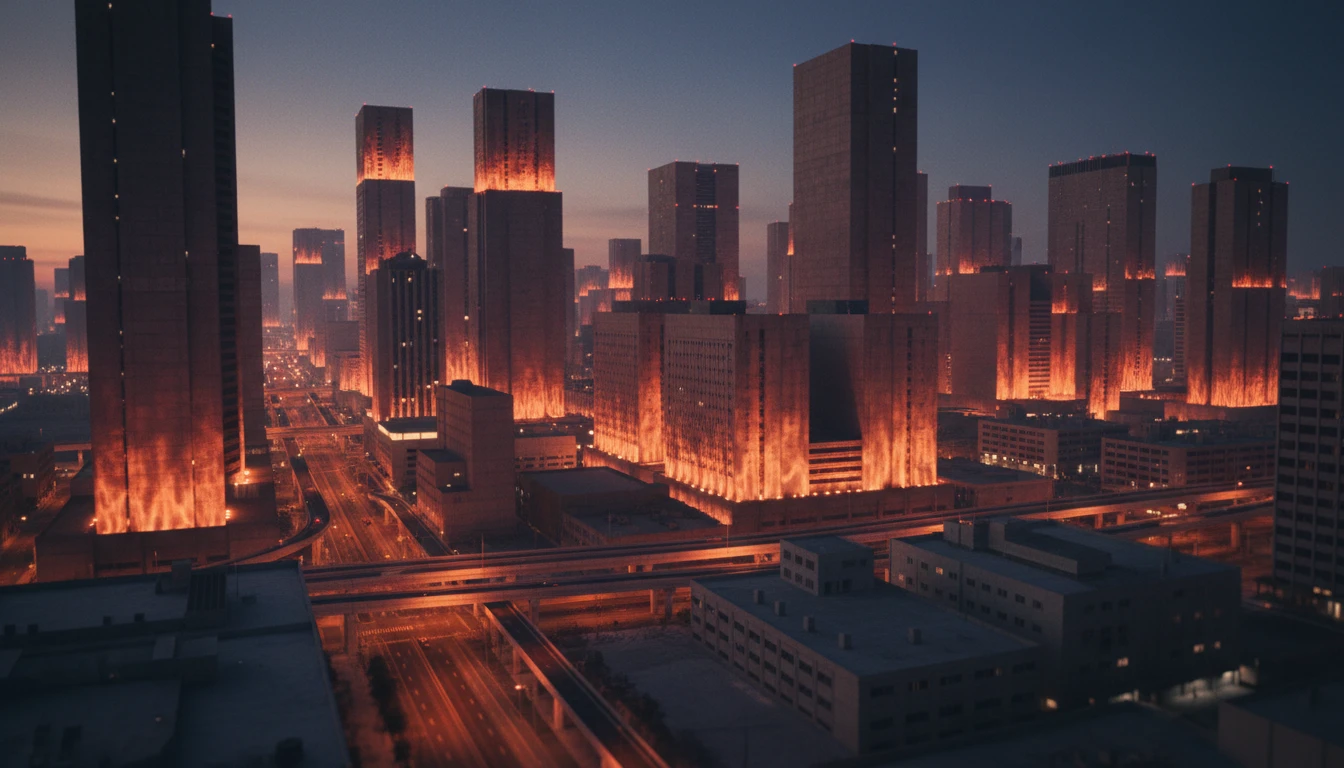
As cities grapple with rising temperatures, a phenomenon known as the 'Urban Heat Island' effect becomes more pronounced. Materials like concrete and asphalt, which dominate modern urban landscapes, absorb immense solar radiation during the day. This
creates what is known as a high heat load. Long after the sun sets, these materials begin to slowly release this stored energy, radiating heat back into the environment and into our homes. This process, which can last well into the night, is why a concrete building can feel like an oven at midnight, even when the outside air has cooled considerably. Studies show this effect can make dense urban areas significantly warmer than surrounding rural areas, especially after dark.
Concrete's Unforgiving Memory for Heat
Modern construction heavily relies on reinforced concrete and steel for its strength and speed. However, these materials have a high thermal mass, meaning they are very good at absorbing and storing heat. Throughout a sunny day, concrete walls and roofs act like giant sponges for thermal energy. The problem is their slow release rate. Instead of quickly dissipating the heat once the sun is gone, the dense material radiates it inwards for hours, warming the interior spaces throughout the evening and night. This is compounded by modern design trends that often feature large, unshaded glass facades and sealed layouts that hinder natural airflow, trapping the radiated heat inside.
The Breathable Wisdom of Traditional Materials
In contrast, traditional Indian architecture favoured locally sourced, natural materials like brick, stone, mud, lime, and timber. These materials generally have lower thermal mass than concrete and are often more porous. Thick walls made of brick or stone slow down heat transfer during the day, keeping interiors cooler. But crucially, they also release the stored heat more readily once temperatures drop. Porous materials like lime plaster or unplastered brick can 'breathe,' helping to regulate temperature and humidity more effectively than a sealed concrete surface. This ability to both resist and release heat at the right times is a key reason for their superior thermal comfort.
Design That Breathes: Courtyards and Jaalis
It wasn't just about materials; traditional design is a masterclass in passive cooling. Central courtyards, a common feature, acted as natural cooling reservoirs. During the day, the shaded courtyard remains cooler than the surrounding structure. At night, it facilitates a process called the stack effect, where warm air from the rooms rises and escapes, drawing cooler air from the courtyard into the living spaces. Another ingenious element is the 'jaali' or perforated screen. These intricate stone or wood lattices break up direct sunlight, reducing heat gain by up to 70% while allowing for constant air circulation. The Venturi effect, where air speeds up as it passes through the small holes, further enhances the cooling breeze inside.
Learning from the Past to Build the Future
The solution is not to abandon modern construction but to blend it with time-tested wisdom. A growing number of architects in India are now reviving these 'vernacular' techniques. They are incorporating elements like jaali facades, courtyards, and climate-responsive orientation into contemporary buildings. Materials like compressed stabilised earth bricks (CSEB) and bamboo offer low-carbon alternatives that also provide excellent thermal properties. Studies confirm that traditional construction methods consistently outperform standard modern buildings in thermal comfort. By thoughtfully integrating shading, ventilation, and smarter material choices, new buildings can achieve comfort without complete reliance on energy-guzzling air conditioning.