








Beyond the Plate: Introducing Chrononutrition
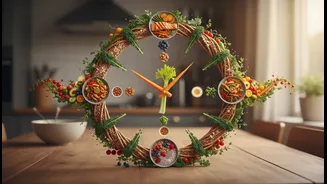
The conversation around healthy eating is expanding. While the quality and quantity of food remain vital, a new field called chrononutrition is gaining attention. This area of science explores how our bodies' internal clocks, or circadian rhythms, influence
how we process food. It’s built on the idea that our digestive system doesn't work at the same capacity 24/7. Instead, it has its own daily rhythm, primed for activity during the day and rest at night. Eating in sync with these natural cycles may be a key factor in maintaining metabolic health and supporting the trillions of microbes living in our gut.
Your Gut Has Its Own Clock
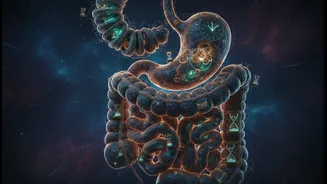
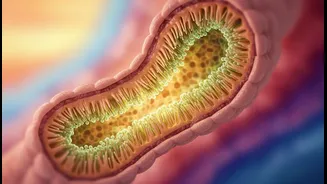
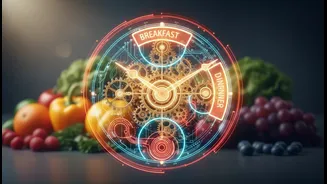
Our bodies are governed by a master clock in the brain, which responds primarily to light and dark cycles. However, scientists have discovered that nearly every organ, including the gut, has its own peripheral clock. These clocks regulate essential digestive processes like hormone production, the release of digestive enzymes, and nutrient absorption. Food intake is a powerful cue that helps set these gut clocks. When we eat at irregular times, such as late at night or skipping meals, we can create a disconnect between our brain's clock and our gut's clock. This misalignment, sometimes called 'social jet lag' for our organs, can disrupt digestive function and overall metabolic balance.
The Meal Timing and Microbiome Link
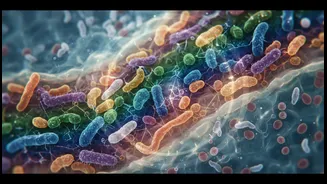
The gut microbiome—the community of bacteria and other microbes in our intestines—also operates on a daily rhythm. The composition and activity of these microbes can fluctuate over a 24-hour period. Disrupting this rhythm through erratic eating patterns can have consequences. Irregular meal timing has been linked to increased intestinal permeability, sometimes referred to as 'leaky gut', and inflammation. Conversely, establishing consistent eating schedules helps foster a stable environment for these microbes. Research suggests this consistency supports a diverse and healthy microbiome, which is crucial for everything from digestion to immune function. There appears to be a two-way street; not only does meal timing affect our gut bacteria, but the bacteria themselves may influence our body's central and peripheral clocks.
The Rise of Time-Restricted Eating
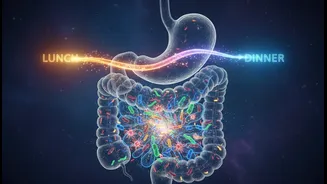
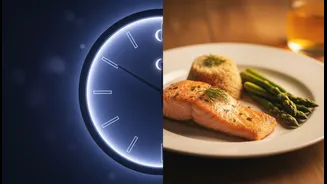
One of the most popular applications of chrononutrition is time-restricted eating (TRE), a form of intermittent fasting. This involves consuming all of your daily calories within a specific window, typically 8-10 hours, and fasting for the remaining 14-16 hours. Studies suggest that this extended fasting period can benefit the gut. It may increase microbial diversity and boost populations of beneficial bacteria. Some research points to early time-restricted eating (eTRF), where the eating window ends in the late afternoon or early evening, as particularly beneficial. This approach better aligns food intake with the times our body is most sensitive to insulin and efficient at metabolizing nutrients.
Simple Steps to Sync Your Meals
Adopting chrononutrition doesn't require a radical overhaul. The key principle is consistency. Aiming to eat your meals at roughly the same time each day helps regulate your body's expectations and digestive processes. Prioritizing a larger portion of your calories earlier in the day, when your metabolism is more active, can also be beneficial. Studies show that people who eat their main meal earlier tend to have more success with weight management. Finally, try to avoid eating late at night. Consuming food when your body is preparing for sleep can interfere with digestive rest and may worsen the gut-related effects of stress. Allowing for a natural overnight fast of at least 12-14 hours gives your digestive system crucial time to repair and reset.