



From Plate to Provenance
There’s a quiet revolution happening in dining rooms across India and the world. It’s a shift away from simply presenting a dish to telling its life story. This trend, often called provenance-driven dining, is about celebrating the origin of every component
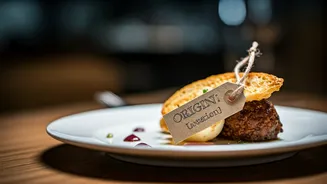
on the plate. It’s not enough for a tomato to be ripe; the menu might tell you which farm it came from, the farmer who grew it, and why that specific variety was chosen. A fish isn't just grilled; it’s line-caught off a particular coast by a specific fishing community. This is more than farm-to-table; it's story-to-table. Restaurants are transforming their menus into narratives that highlight heritage recipes, time-honoured cooking techniques, and the cultural significance of their food. The goal is to create a deeper, more meaningful connection between the diner and the meal, turning a simple dinner out into an immersive cultural experience.
A Hunger for Authenticity
So, what’s driving this change? In a word: authenticity. Today’s diners, particularly Millennials and Gen Z, are increasingly seeking genuine connection and transparency in a world of mass production. They want to know where their food comes from, how it was made, and who made it. This curiosity is a powerful force, pushing chefs and restaurateurs to be more open about their sourcing and inspiration. Many culinary leaders in India are at the forefront of this movement, acting as cultural historians. Chefs like Vikas Khanna and Manish Mehrotra are actively reviving forgotten regional dishes and celebrating indigenous ingredients that were at risk of disappearing. By documenting and reinterpreting ancestral recipes, they preserve not just flavours but the stories and values embedded within them. This isn't just about nostalgia; it’s a conscious effort to anchor modern cuisine in a rich, tangible history.
The Story as the Main Ingredient
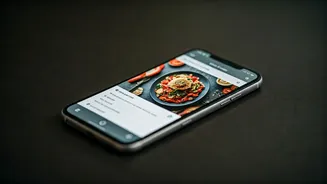
In this new landscape, the story itself becomes a key ingredient, capable of making food taste better. One report noted that 45% of consumers believe food described as "authentic" will be tastier. The narrative adds a layer of value that a simple list of ingredients cannot. A menu might describe a dish as being based on a chef’s grandmother’s recipe, immediately evoking feelings of home, comfort, and tradition. Another might detail the difficult journey of sourcing a rare spice from a remote village, adding a sense of adventure and exclusivity. These stories forge an emotional connection, making the dining experience more memorable and justifying a premium price. It helps a restaurant stand out in a crowded market by offering something unique that cannot be easily replicated: its identity. From QR codes that link to videos of suppliers to detailed descriptions of a regional festival dish, the methods of storytelling are as diverse as the cuisines themselves.
More Than Just Marketing?
Of course, there is a commercial aspect to this trend. A compelling origin story is a powerful marketing tool that builds brand loyalty. But to dismiss it as just a sales tactic would be to miss the bigger picture. This movement reflects a significant cultural shift. Consumers are tired of faceless corporations and are drawn to brands with a human touch and a clear purpose. The desire for food with a story is part of a larger quest for meaning and connection in our consumption habits. It speaks to our need to feel good about our choices, whether that means supporting local farmers, preserving a culinary tradition, or simply understanding the journey of our food. Chefs who champion this approach are not just selling meals; they are inviting us to participate in the preservation and celebration of our collective culinary heritage.