

What Exactly Is Shokupan?
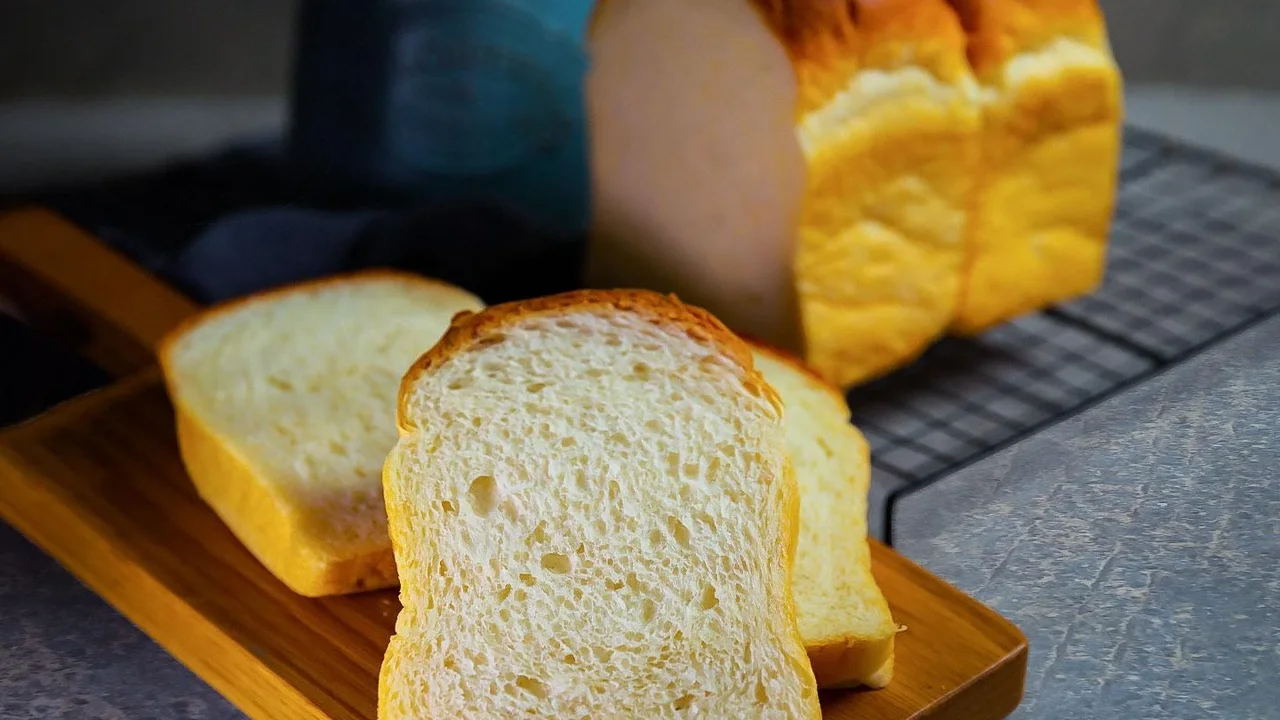
Shokupan is a type of Japanese milk bread, but calling it just 'milk bread' doesn't quite do it justice. The name itself translates to “eating bread,” a simple term for a loaf that has become a staple in Japan. Its defining characteristics are an incredibly
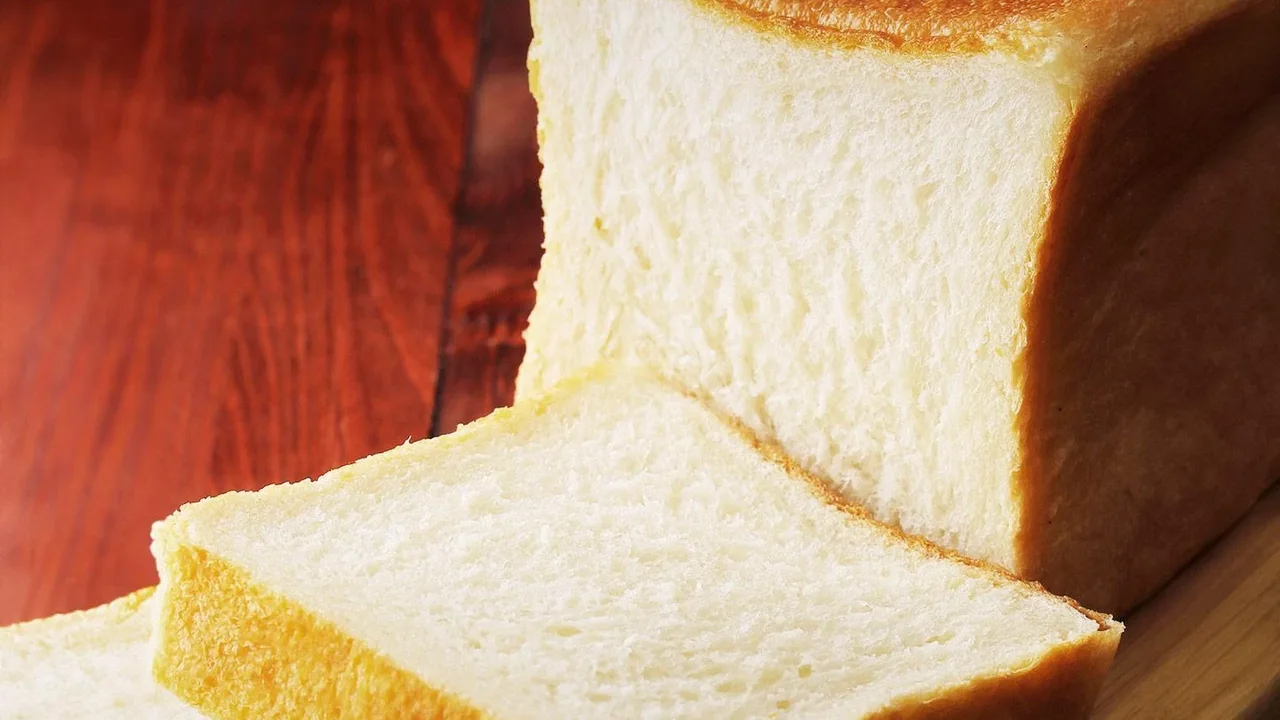
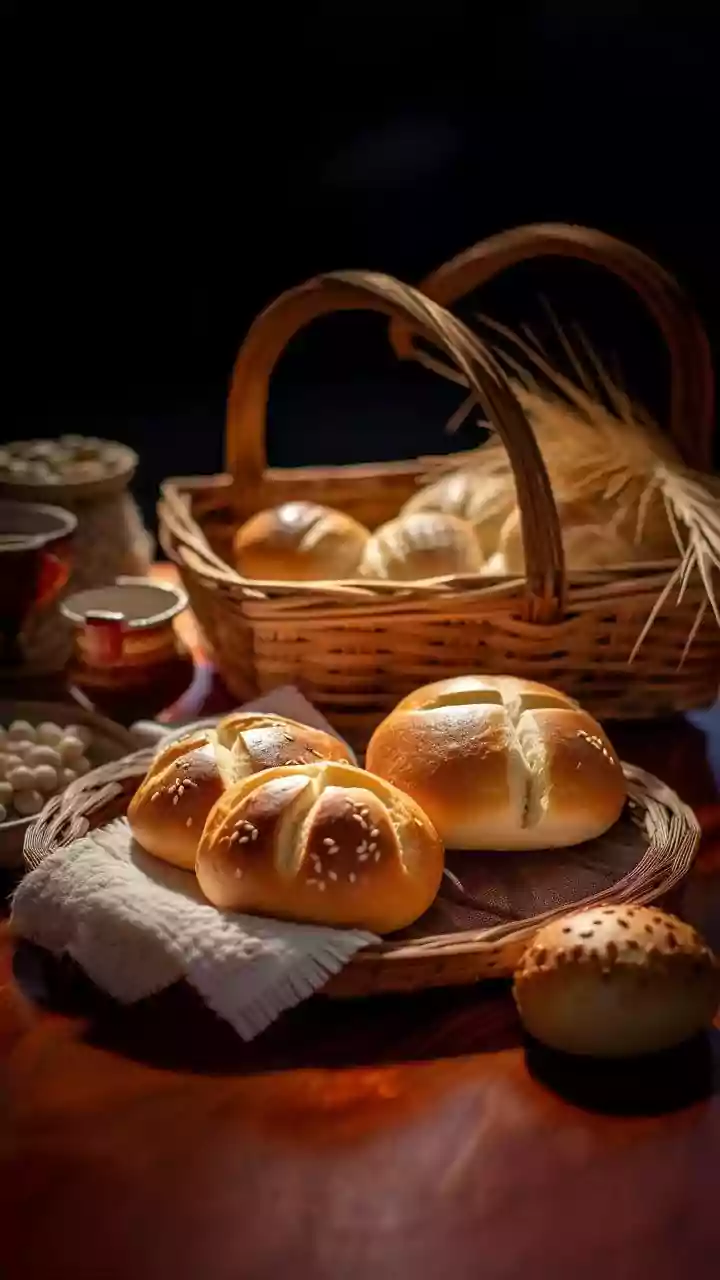
soft, fluffy, and cloud-like interior, a subtly sweet, milky flavour, and a thin, tender crust. Visually, it's often baked into a perfect square shape using a special lidded pan, which makes it ideal for uniformly sliced sandwiches. This isn't your average loaf of white bread; it's an enriched dough, often containing milk, butter, sugar, and sometimes cream or egg, giving it a richer taste and a wonderfully soft texture. Many bakers describe its crumb as bouncy and pillowy, a quality that sets it apart from denser, crustier breads.
The Secret to the Softness
The magic behind shokupan’s unique texture often comes from a technique known as tangzhong or yudane. This method involves cooking a small portion of the recipe's flour and liquid (water or milk) into a thick paste or roux before adding it to the rest of the dough ingredients. This pre-gelatinizes the starches in the flour, allowing them to absorb more moisture. The result is a dough that is incredibly hydrated, leading to a finished loaf that is exceptionally soft and moist. This technique also naturally extends the bread’s shelf life, keeping it from drying out as quickly as other homemade breads. The high moisture content is key to why shokupan can be cut into thick slabs without crumbling or feeling heavy.
The Perfect Canvas for Sandwiches
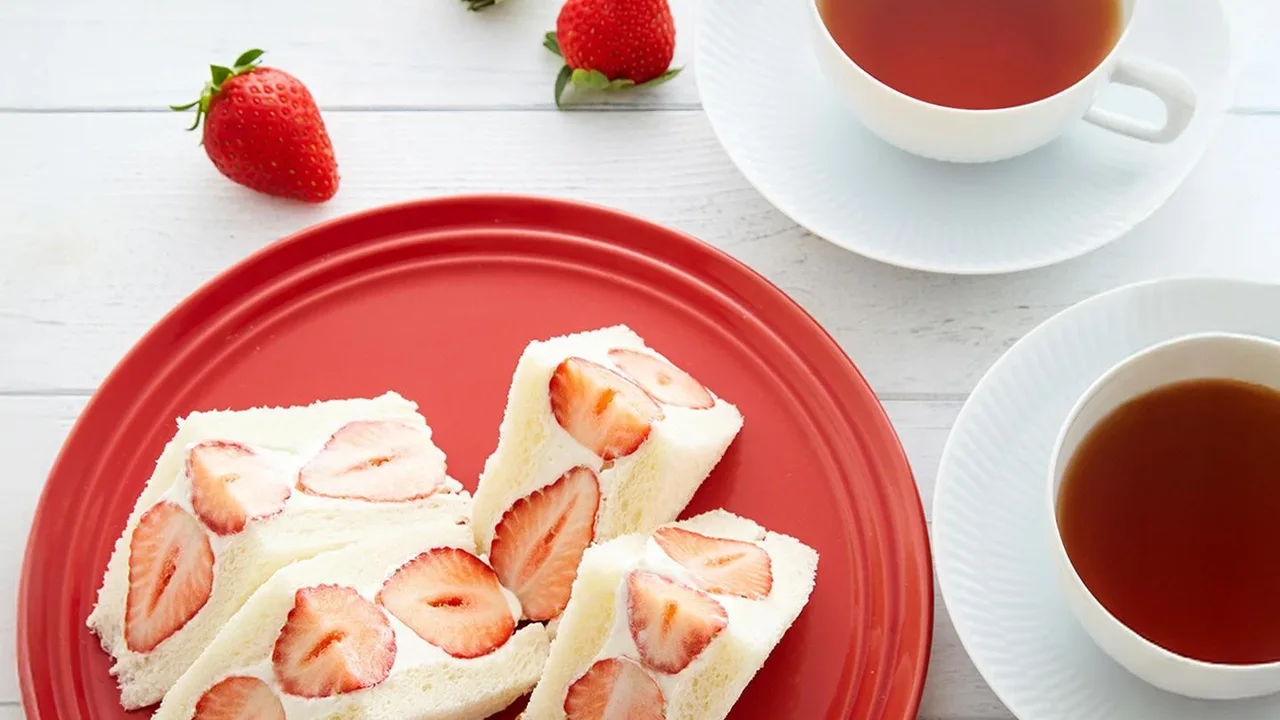
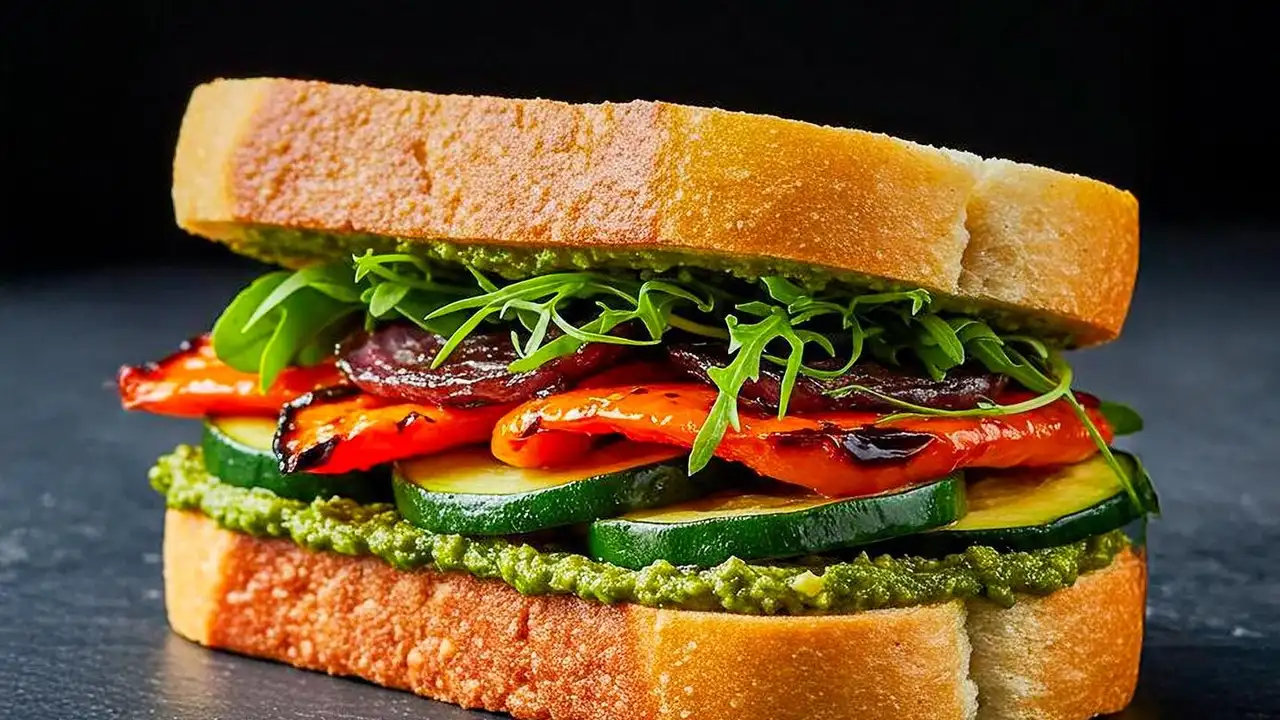
The qualities that make shokupan so delightful to eat on its own also make it the perfect foundation for a truly great sandwich. Its sturdy but soft structure can handle generous fillings without falling apart or becoming soggy. The subtle sweetness of the bread provides a beautiful contrast to both savoury and sweet fillings. This is most famously demonstrated in two iconic Japanese sandwiches, or “sandos.” The first is the Katsu Sando, which features a crispy, deep-fried pork cutlet nestled between two thick slices of shokupan, often with a tangy tonkatsu sauce. The soft bread envelops the crunchy cutlet, creating a perfect harmony of textures. The second is the vibrant Fruit Sando, a visually stunning creation where fresh fruits like strawberries and kiwis are suspended in chilled whipped cream and sandwiched between pillowy slices of bread. In this case, the bread acts like a delicate frame, making the colourful fruit the star.
A Treat for the Eyes and Palate
Beyond its structural integrity, shokupan contributes to the aesthetic appeal that has made thick-sliced sandwiches a social media sensation. The pristine, white, and uniform crumb provides a clean backdrop that makes fillings pop, whether it’s the rich brown of a katsu cutlet or the bright colours of a fruit sando. The bread’s ability to be sliced into impressively thick, yet light, portions turns a simple sandwich into a substantial and visually appealing meal. While a classic grilled cheese is good on any bread, a version made with shokupan becomes a revelation, with the light, airy bread contrasting beautifully with the dense, savoury melted cheese. As this bread gains popularity globally, it’s not just changing how sandwiches taste, but how they look, proving that the foundation of a great sandwich is just as important as the filling.