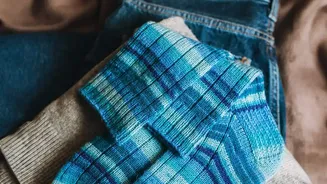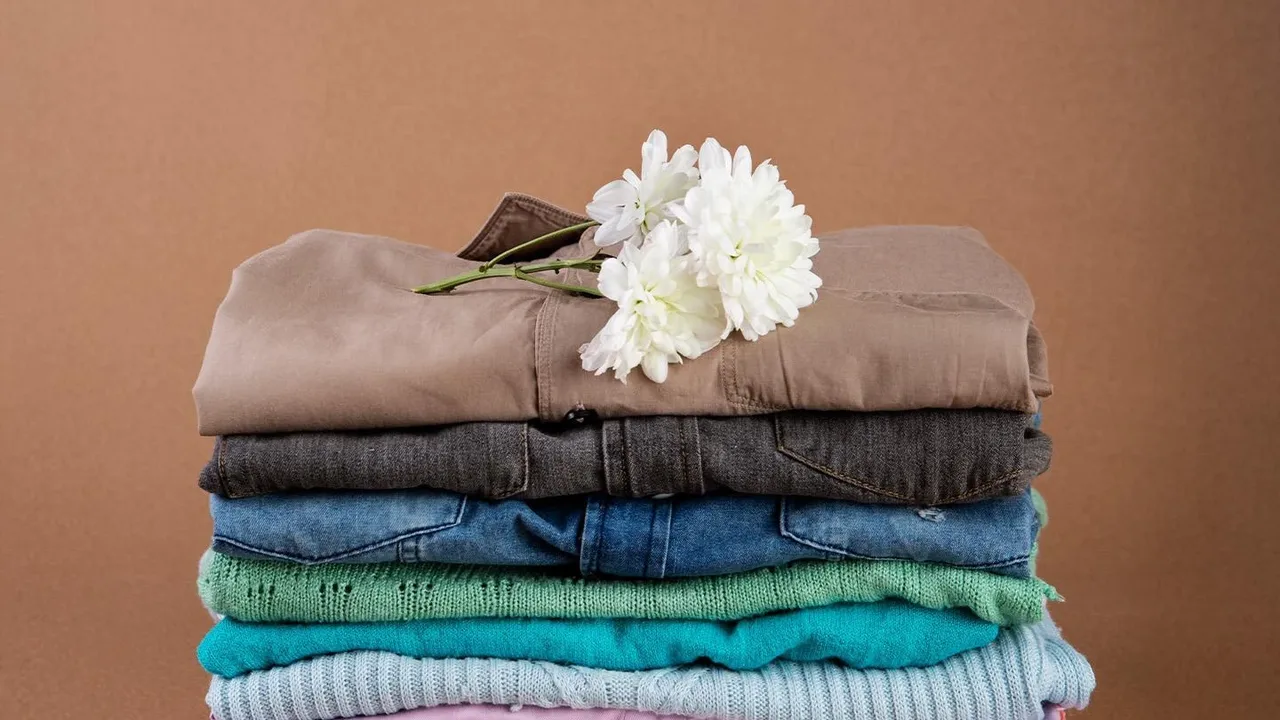





Start with a Gentle Wash
Before you can dry your woollens correctly, you must wash them with care. Wool is a natural fibre that is sensitive to high temperatures and aggressive handling. Always opt for a gentle, wool-specific detergent or even a mild baby shampoo. Hand-washing
in cool water—below 30°C—is the safest method to prevent fibres from shrinking or felting. If you must use a machine, select the delicate or wool cycle with a low spin speed and place the garment in a mesh laundry bag for protection. Remember, wool doesn't need to be washed after every wear; often, simply airing it out is enough to refresh it.
Never Wring, Always Roll
The single most damaging thing you can do to wet wool is to wring or twist it. When wool is wet, it becomes incredibly heavy and its fibres are vulnerable to stretching and breaking. Hanging a dripping wet sweater will cause its own weight to pull it out of shape permanently. Instead, you must gently remove the excess water. The best method is to lay the garment flat on a clean, thick towel. Carefully roll the towel and the sweater together, like a sleeping bag, and press down firmly along the roll. This 'towel burrito' technique wicks away a significant amount of moisture without stressing the delicate fibres. When you unroll it, the item will be damp, not soaking wet.
The Art of Flat-Drying
Once excess water is removed, the golden rule of drying woollens is to always lay them flat. Transfer the damp garment to a fresh, dry towel on a flat surface, or ideally, a mesh drying rack that allows for air circulation underneath. This even distribution of weight is crucial for preventing the shoulders and length from distorting. While the garment is still damp, take a moment to gently reshape it. Align the shoulder and side seams, flatten the collar, and smooth out the sleeves to match its original form. This process, known as blocking, ensures your sweater dries back into the shape it is supposed to be.
Patience and the Right Environment
Proper drying requires patience. Keep the garment away from direct heat sources like radiators and out of direct sunlight, as intense heat can make the fibres stiff, cause shrinkage, and even fade colours. A well-ventilated room with gentle, natural airflow is the ideal environment. Depending on the thickness of the knit, it can take anywhere from a few hours to a full day to dry completely. A fan on a low setting can help speed up the process by improving air circulation, but avoid using a hairdryer or placing it in a tumble dryer, even on a no-heat setting, as this can still cause damage.
Common Drying Mistakes to Avoid
To ensure your woollens last for seasons to come, steer clear of these common pitfalls. First, never hang a wet wool sweater on a hanger or clothesline; its weight will cause irreversible stretching. Second, avoid the tumble dryer at all costs, as the combination of heat and tumbling is the fastest way to shrink and felt your garment. Third, do not dry woollens directly on a radiator. The concentrated, high heat will damage the natural protein fibres, making them brittle and stiff. Finally, don't be impatient. Trying to speed up the process with heat is a recipe for disaster. A little extra time is a small price to pay for preserving your favourite winter investment pieces.