






The Problem with a Fixed Schedule
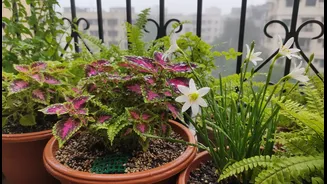
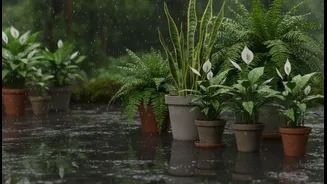
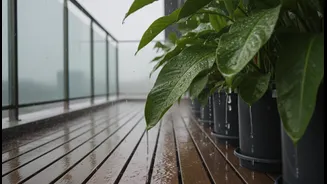
During the monsoon, the air is saturated with moisture, which means water evaporates from the soil much more slowly. Natural rainfall often provides plants with all the hydration they need. Continuing with a summer watering routine—say, every other day—doesn't
account for this dramatic environmental shift. The result is waterlogged soil, which is one of the most common reasons plants struggle and perish during the rainy season. A fixed schedule ignores the most critical factor: the actual moisture level in the pot.
Dangers of Overwatering in Monsoon
When plant roots sit in waterlogged soil, they are deprived of oxygen, which is essential for them to function and absorb nutrients. This suffocating environment leads to root rot, a devastating condition where roots turn mushy, dark, and decay. Symptoms above the ground, like yellowing leaves or wilting even when the soil is wet, often appear only after significant damage has occurred below the surface. Furthermore, the constant dampness creates a perfect breeding ground for fungal and bacterial diseases, which thrive in high humidity and can quickly infect your plants.
How to Use the 'Soil Feel' Method
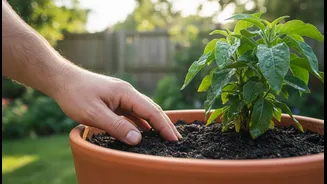
The most reliable way to know if your plant needs water is to check the soil yourself. This simple technique, often called the 'finger test', takes the guesswork out of watering. Gently insert your finger about one to two inches into the topsoil. If the soil feels dry at that depth, it's time to water. If it feels moist, cool, or sticks to your finger, wait another day or two before checking again. After a while, you'll develop an intuition for what your plants need. For a less hands-on approach, you can also gauge moisture by lifting the pot; a light pot usually means the soil is dry, while a heavy one indicates it's still moist.
Adjust for Different Plant Needs
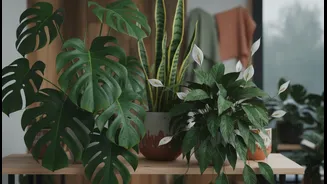
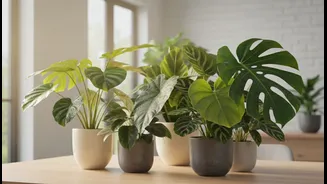
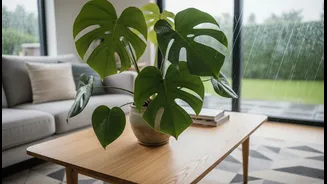
Not all plants have the same thirst level. A one-size-fits-all approach, even with the feel method, needs some adjustment. Succulents and cacti, for example, prefer their soil to dry out completely between waterings and are extremely susceptible to rot in the monsoon. You might need to move them to a sheltered spot to protect them from excessive rain. Tropical plants like hibiscus or monstera can handle more moisture but still detest sitting in soggy soil. Pay attention to your specific plants. Observe their leaves and the soil to understand their unique requirements during this wet season.
Extra Monsoon Care Tips
Beyond smart watering, a few other practices can help your plants thrive. First, ensure excellent drainage. Make sure every pot has drainage holes and is not sitting in a water-filled saucer. Elevating pots on bricks or stands can improve airflow and prevent waterlogging. Good air circulation around your plants is also crucial to ward off fungal infections, so avoid overcrowding them. Finally, regularly remove any dead or fallen leaves from the soil surface, as this decaying matter can attract pests and diseases.