









The Scale of a Silent Crisis
Annually, India loses an estimated ₹92,000 to ₹1.5 lakh crore worth of agricultural produce post-harvest. While exact figures vary, studies consistently show alarming rates of loss, especially for perishable goods. Up to 15% of fruits and nearly 12% of vegetables
are lost before they can be consumed, according to a 2022 study. This isn't just a waste of food; it's a waste of the immense resources used to grow it, including water, labour, and land. This loss occurs at various stages: during harvesting, handling, storage, and transportation, representing a massive leak in the nation's food supply system.
Pinpointing the Weakest Links
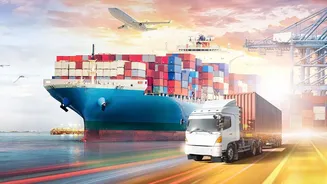
The journey from farm to table is fraught with challenges. A major issue is the lack of scientific storage at the farm-gate level. Without access to proper facilities, farmers are often forced to sell their produce immediately, even if market prices are low, to avoid spoilage. The next major hurdle is transportation. Inefficient logistics and gaps in the 'cold chain' — an uninterrupted network of refrigerated storage and transport — mean that temperature-sensitive items like fruits, vegetables, and dairy are highly vulnerable. It's estimated that about 30-40% of post-harvest losses for these items occur during transport and marketing alone.
The Power of the Cold Chain
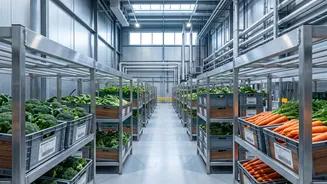
A robust cold chain is one of the most effective weapons against food loss. This system involves pre-cooling facilities at the farm, refrigerated trucks (reefer vehicles), and cold storage warehouses. By maintaining a consistent, low temperature, the cold chain significantly extends the shelf life of perishable goods, allowing them to travel longer distances and reach more markets in prime condition. Recognizing this, government initiatives like the Pradhan Mantri Kisan Sampada Yojana (PMKSY) have focused on strengthening this infrastructure, providing financial assistance for setting up integrated cold chains across the country. A reliable cold chain doesn't just save food; it empowers farmers to grow higher-value crops and tap into new markets.
Beyond Cold: Processing and Modern Logistics
Another crucial element is the growth of the food processing industry. Currently, India processes only about 12-13% of its food output, a low figure compared to developed nations. Food processing converts raw agricultural produce into products with a longer shelf life, from jams and juices to frozen vegetables. This not only prevents waste but also adds significant value. Schemes like PMKSY are helping establish Mega Food Parks and agro-processing clusters that provide shared infrastructure for small and medium enterprises. These modern facilities, combined with better rural roads and digital platforms connecting farmers to buyers, create a more efficient and resilient supply chain.
The Human and Economic Impact
Strengthening agricultural infrastructure has a direct, positive impact on people's lives. For farmers, reduced spoilage means a larger portion of their harvest is marketable, leading to better price realization and higher, more stable incomes. One study estimated that projects under PMKSY could increase farm-gate prices by over 12%. For consumers, a more efficient supply chain leads to better availability and quality of products, often with more stable pricing. On a national level, cutting food losses enhances food security, creates rural employment, and boosts the economy. The food processing sector alone is a major employer and is projected to become a USD 600 billion industry by 2030.