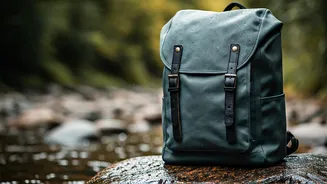










The Rise and Fall of the 'Smart' Backpack
It seemed like a brilliant idea. In a world where our phones are our lifelines, the 'smart' backpack emerged as a must-have accessory for students, commuters, and travellers. Promising on-the-go charging via an external USB port connected to a power bank
inside, these bags were marketed as the ultimate solution to battery anxiety. For a while, they were everywhere. Tech gadgets, by their nature, are about solving problems, and the problem of a dying phone battery while on the move is a universal one. Manufacturers rushed to integrate this feature, often at the expense of others, turning a simple bag into yet another piece of tech to manage.
Tech Fatigue and the Failure Point
The problem, as many users discovered, is that adding tech to a non-tech item introduces a new point of failure. The external USB port, exposed to rain, dust, and daily bumps, is often the first thing to break. The internal cables can fray, and the required power banks are frequently low-quality, offering a frustratingly slow charge. More than that, the feature itself is arguably redundant. Most people already carry a power bank, and plugging a cable directly into it is just as easy—and often more effective—than using a built-in port as a middleman. This realisation has led to a quiet backlash. Consumers are questioning the value of a gimmicky feature that compromises the primary function of a backpack: to carry things securely and reliably for a long time.
The Enduring Appeal of Waterproof Canvas
In response, many are turning to an old-school material with a proven track record: waxed canvas. This isn't just about nostalgia; it’s a conscious choice for durability and longevity. Unlike synthetic materials that can tear or delaminate, high-quality canvas is incredibly tough. When treated with wax, it becomes highly water-resistant, protecting your belongings from downpours far more effectively than a flimsy nylon pack with a vulnerable USB port. There’s also an aesthetic appeal. Canvas ages beautifully, developing a unique patina over time that tells a story of its travels. It’s a material that feels honest and dependable, aligning with a broader consumer trend towards 'buy it for life' products and away from disposable-feeling goods.
Simplicity as the Ultimate Feature
The movement away from integrated tech is part of a larger desire for simplicity. In an always-on world, there’s a certain peace in owning items that do one thing and do it well. A port-less canvas backpack isn’t 'dumb'; it's focused. Its value lies not in added electronic features but in its core construction—the quality of the fabric, the strength of the stitching, the reliability of the zippers and buckles. This philosophy suggests that the best feature a backpack can have is the absence of unnecessary ones. It's a return to fundamentals, prioritising build quality and material integrity over fleeting technological trends. This approach frees the user from worrying about another piece of electronics failing and instead provides confidence in a product built to last.
What to Look For in a Port-Free Pack
If you're ready to join the analog renaissance, here’s what to look for. First, check the canvas weight, often measured in ounces per square yard (e.g., 18oz or 20oz). Heavier canvas is generally more durable. Examine the hardware; solid brass or stainless steel buckles and YKK zippers are good indicators of quality. Look for double-stitched seams and leather reinforcements at stress points, like where the straps meet the bag. Finally, consider the waterproofing. Waxed canvas is the gold standard for a classic look and feel, offering excellent water resistance that can be renewed by reapplying wax. A well-made canvas backpack is an investment, but it’s one that, unlike its 'smart' counterparts, is likely to last for years, if not decades.