



The Golden Rule: Airtight is Everything
Humidity is the number one enemy of stored food, and your first line of defence is the container you use. During humid months, the air is saturated with moisture that dry goods like biscuits, grains, and spices eagerly absorb. This is what causes clumping
in masalas, sogginess in snacks, and ultimately, creates a breeding ground for mould. Invest in high-quality airtight containers. Glass jars with silicone-sealed lids are excellent because they don't absorb odours and provide a strong barrier. Good quality BPA-free plastic containers also work well. The common steel 'dabba' might seem secure, but often the lids are not truly airtight, allowing moisture to creep in over time. Whatever you choose, ensure the container and its lid are completely dry before you fill them.
Guard Your Grains and Pulses
Grains like rice and wheat flour (atta), along with various dals, are staples in Indian kitchens but are highly susceptible to moisture and pests in August. The single most important step is to transfer them from their store-bought bags into airtight containers immediately after purchase. For extra protection, you can sun-dry grains for a few hours before storing to remove any existing moisture and kill insect eggs. Never store grains on the floor, and keep them away from the sink and stove where humidity is highest. For long-term storage of rice, some experts suggest freezing it for 48 hours after buying to kill any weevil eggs before moving it to its airtight container. A few dried bay leaves or a piece of turmeric inside the container can also act as a natural insect repellent.
Protect Your Precious Spices
Moisture is disastrous for spices, causing them to lose their potent aroma, clump together, and spoil. The common habit of keeping a masala dabba near the stove is particularly bad during humid weather, as steam from cooking is a direct source of moisture. Store your spice jars in a cool, dark, and dry cabinet away from any heat or water source. Always use a completely dry spoon; even a tiny drop of water can ruin a whole jar of spice powder. It's also wise to buy spices in smaller quantities during the monsoon and humid months, ensuring they are used up before they have a chance to degrade. For whole spices, consider storing them as they are and grinding them in small batches as needed, which preserves flavour far better than storing pre-ground powders.
Handle Fruits and Vegetables with Care
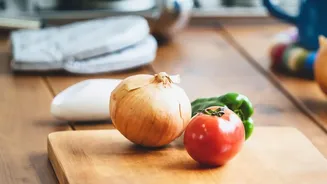
The high moisture content in fruits and vegetables makes them prone to rotting and mould. When you bring produce home, wash it to remove spores and bacteria. A quick soak in salt water can help dislodge pests common during this season. The most crucial step is to dry them thoroughly with a paper towel before storage. Do not store them in the plastic bags they came in, as these trap moisture. For leafy greens, wrapping them loosely in paper towels can help absorb excess moisture and keep them crisp. Store firm vegetables like bell peppers and carrots in the refrigerator. It's also important to regularly clean your refrigerator, as lingering bacteria can accelerate spoilage.
Don't Forget Cooked Food and Leftovers
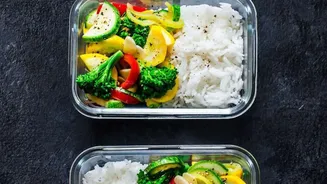
Leftovers are especially vulnerable in warm, humid weather. Bacteria multiply rapidly when food is left out. The cardinal rule is to never leave perishable food at room temperature for more than two hours. Before storing any cooked food, allow it to cool down completely. Storing warm food in the fridge creates condensation inside the container, which is an invitation for bacterial growth and sogginess. Use airtight containers for all leftovers and store them in the refrigerator promptly. When reheating, ensure the food is heated thoroughly to kill any potential bacteria that may have developed.