








The Great Monsoon Myth
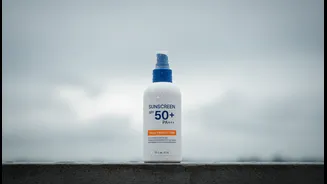
It's a familiar feeling: the sky is grey, a cool breeze is blowing, and the sun is nowhere to be seen. In India, this is our cue to enjoy the monsoon, but it's also when most of us stop using sunscreen. The biggest misconception is that clouds block the sun's
harmful rays. While clouds do block a lot of visible light and heat, they are not as effective against ultraviolet (UV) radiation. According to dermatologists, up to 80% of UV rays can still penetrate through cloud cover and reach your skin. This means that even on the gloomiest, rainiest days, your skin is still exposed to potential damage.
Understanding the Invisible Threat: UVA vs. UVB
To understand the risk, it's crucial to know about the two main types of UV rays that affect our skin: UVA and UVB. UVB rays are what we typically associate with sunshine; they cause sunburn and tanning. Clouds do filter these rays to some extent. However, UVA rays are sneakier. They have a longer wavelength that allows them to penetrate deep into the skin, and they pass through clouds and even window glass with ease. UVA rays make up about 95% of the UV radiation reaching us and are present at a consistent strength throughout the day, all year round. It’s this constant exposure to UVA that poses a hidden threat during the monsoon.
The Hidden Risks of Skipping Sunscreen
Because UVA rays don't cause immediate burning, the damage is silent but significant. This type of radiation is the primary culprit behind premature ageing, leading to fine lines, wrinkles, and loss of skin elasticity. It also triggers and worsens hyperpigmentation, melasma, and dark spots, which are common concerns for Indian skin tones. Most importantly, long-term exposure to both UVA and UVB rays contributes to DNA damage in skin cells, which significantly increases the risk of developing skin cancer later in life. Skipping sunscreen on cloudy days leaves your skin vulnerable to this cumulative damage, which might not be visible for years.
Your Practical Monsoon Sunscreen Guide
The key to effective sun protection during the monsoon is choosing the right product. The high humidity in India can make many traditional sunscreens feel heavy, greasy, and uncomfortable. Look for formulas that are specifically designed for humid climates. Gel-based, fluid, or lightweight lotion sunscreens are ideal choices as they absorb quickly without clogging pores. Opt for products labelled "non-comedogenic" (won't clog pores), "matte finish," and "water-resistant" or "sweat-resistant," as this will help the product stay on despite the dampness and sweat.
Choosing Your Level of Protection
When reading the label, look for two key things: SPF and PA rating. SPF (Sun Protection Factor) primarily measures protection against UVB rays. Dermatologists recommend a minimum of SPF 30 for daily use, but SPF 50 is often preferred for the Indian climate. The PA rating indicates protection against UVA rays, which is crucial for cloudy days. Look for a rating of PA+++ or PA++++ for the highest level of UVA defence. A "broad-spectrum" label ensures protection against both types of rays. Don't be fooled by makeup with SPF; it's rarely applied thickly enough to offer adequate protection, so a dedicated sunscreen should always be your first step.
How to Apply It Right for Humid Weather
Proper application is just as important as the product you choose. Use the "two-finger rule"—squeezing sunscreen onto the length of your index and middle fingers—to ensure you're applying enough for your face and neck. Apply it about 15-20 minutes before you step outside to allow it to form a protective layer. Reapplication is critical, especially during the monsoon when rain and sweat can wash it away. Aim to reapply every 3-4 hours if you're outdoors or sweating. Remember to cover often-missed spots like your ears, the back of your neck, and your feet if you're wearing open footwear.