


The Hidden Danger in Your Decor
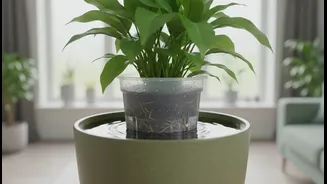
The common practice for houseplants involves keeping the plant in its plastic nursery pot and placing that inside a more attractive decorative pot, often called a cachepot. While this looks great, it creates a hidden problem. Most decorative pots have
no drainage holes. When you water your plant, excess liquid flows out of the nursery pot's holes and pools at the bottom of the decorative one. This standing water creates a swampy, low-oxygen environment around the roots. Roots need oxygen to function and absorb nutrients; when submerged in stagnant water, they effectively begin to suffocate.
What Exactly Is Root Rot?
Root rot is not just a case of 'too much water'. It's a disease caused by fungi and bacteria that are naturally present in most soils. In healthy, well-drained soil, these organisms are harmless. But in the soggy, oxygen-deprived conditions created by trapped water, they multiply rapidly and attack the plant's vulnerable, waterlogged roots. The infection causes the roots to decay, turning them from firm and white to soft, brown, or even black mush. Once the roots are compromised, they can no longer supply the plant with the water and nutrients it needs to survive, leading to a slow decline.
Telltale Signs of Trouble
The tricky part about diagnosing root rot is that the initial symptoms appear above the ground and can be mistaken for other issues. A key sign is a plant that looks wilted and thirsty even when the soil is damp. This happens because the rotting roots can no longer absorb water. Other common symptoms include yellowing or drooping lower leaves, stunted growth, and a generally unhealthy appearance. In advanced cases, you might notice a sour or musty smell coming from the soil, which is the odour of decay. To be certain, you must gently remove the plant from its pot and inspect the roots directly.
The Right Way to Use Decorative Pots
The good news is that you don't have to give up your stylish pots. You just need to change your watering routine. The simplest method is to always remove the inner nursery pot from the decorative cachepot before watering. Take the plant to a sink or bathtub, water it thoroughly, and allow all excess water to drain away completely before placing it back in its decorative home. This one step prevents any water from ever pooling at the bottom. As a rule, always check the soil moisture before watering; only water when the top inch or two of soil feels dry to the touch. Never let a plant sit in a saucer full of drainage water.
Rescue Mission: Can This Plant Be Saved?
If you discover your plant has root rot, quick action is crucial, but recovery is not always guaranteed. First, remove the plant from its pot and wash the old soil from the roots. Using clean, sterilised scissors, carefully trim away all of the dark, mushy, and smelly roots, leaving only the firm, white, healthy ones. If the rot is extensive, you may need to prune back about a third of the plant's leaves to reduce the stress on the remaining smaller root system. Finally, repot the plant in a clean pot with fresh, well-draining potting mix. Be mindful not to overwater as the plant recovers.