



Meet Tulsi: The Queen of Herbs
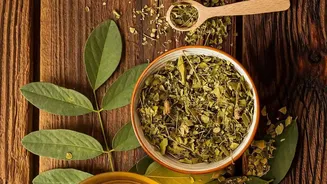
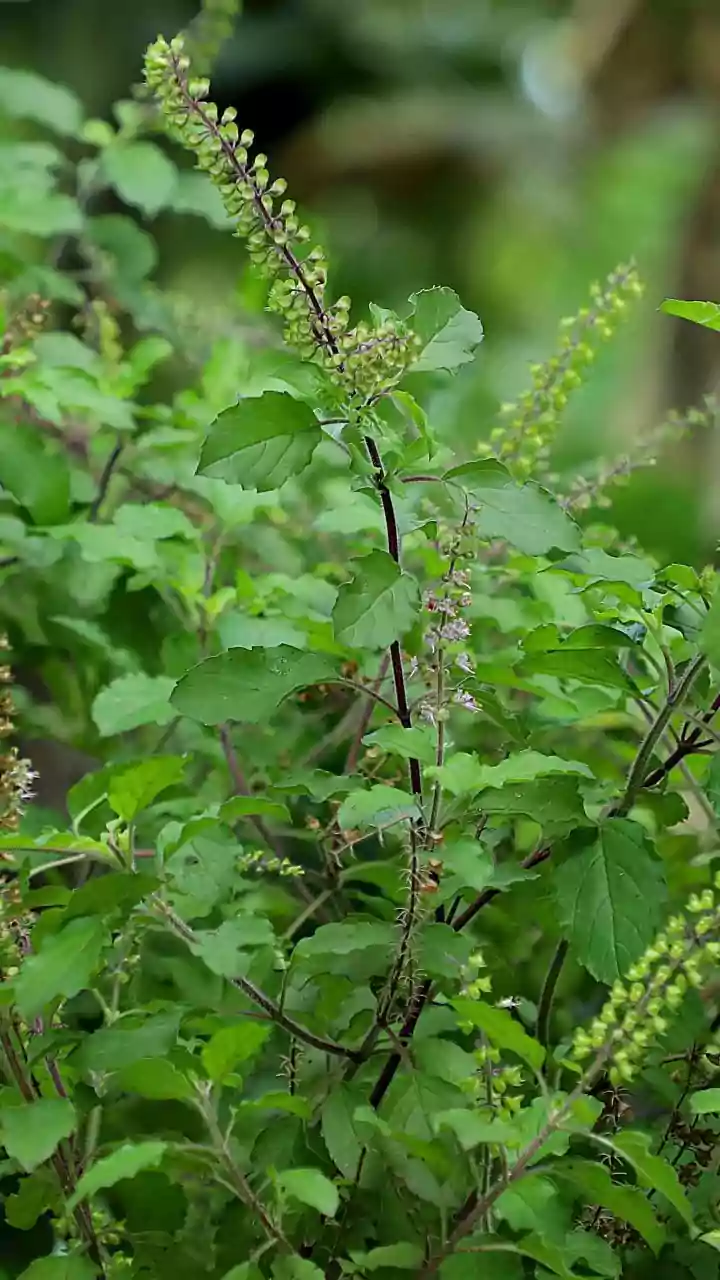
Tulsi, also known as Holy Basil, is an aromatic herb deeply revered in India and a cornerstone of Ayurvedic tradition. Though it belongs to the same family as the sweet basil used in pesto, they are not the same; Tulsi has a distinctly different flavour
profile that is warmer, more peppery, and often carries notes of clove, mint, or lemon depending on the variety. Unlike true teas from the Camellia sinensis plant, Tulsi is naturally caffeine-free. It is also celebrated as an adaptogen, a class of herbs believed to help the body manage physical and psychological stress.
The Cold Brew Method: Smoother and Sweeter
The way a beverage is brewed dramatically affects its taste. While hot water is great for a quick, bold extraction, it can also draw out tannins, compounds that can make tea taste bitter or astringent. Cold brewing, on the other hand, uses time instead of heat. By steeping Tulsi leaves in cool water for several hours or overnight, the flavours are extracted gently. This process yields a drink that is noticeably smoother, naturally sweeter, and less acidic, which can be gentler on the stomach. For an herb as delicate as Tulsi, cold brewing preserves its nuanced floral and peppery notes that heat can diminish.
The Trouble with Commercial Iced Teas
Many commercially available iced teas, while convenient, are often far from the simple brew you'd make at home. A quick look at the label often reveals high-fructose corn syrup or large amounts of added sugar as primary ingredients. It is not uncommon for a single bottle of sweetened iced tea to contain 40 grams of sugar or more, sometimes exceeding the sugar content of a can of soda. Beyond the sugar, many also contain artificial flavours, colours, and preservatives to maintain shelf life and a consistent taste, a stark contrast to a freshly brewed herbal infusion.
A 'Clean' Alternative in Every Sip
This is where cold-brewed Tulsi shines as a 'clean' alternative. The term refers to its simple, unadulterated nature. When you brew it yourself, you control everything. There are no hidden sugars, no long list of chemical ingredients, and no artificial anything—just water and the herb. The result is a drink with a pure, authentic flavour. The cold brew method enhances this, creating a beverage that is crisp and refreshing without needing added sweeteners to be palatable. Its flavour is complex on its own, offering a sensory experience that is both grounding and uplifting.
From Stress Relief to Simple Pleasure
Beyond its clean taste, Tulsi brings potential wellness benefits to your glass. As an adaptogen, it has been used for centuries in Ayurvedic practice to support the body's response to stress, promote mental clarity, and provide a sense of balance. While not a magic bullet, incorporating Tulsi into your routine is seen as a supportive lifestyle practice. A cold glass of Tulsi tea on a warm day is more than just hydration; it’s a moment of calm, offering a functional benefit that most sugary commercial drinks simply cannot match.
How to Make Your Own Cold-Brewed Tulsi
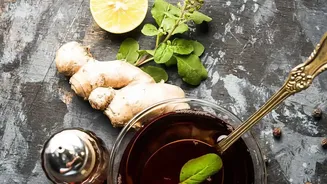
Making your own cold-brewed Tulsi is incredibly simple. You’ll need loose-leaf Tulsi or Tulsi tea bags. For a one-litre pitcher, a good starting point is to use about six tea bags or six teaspoons of loose-leaf tea. Simply place the tea in the pitcher, fill it with cool, filtered water, and let it steep in the refrigerator. The brewing time can range from a few hours to overnight, depending on your desired strength. Start checking it after about four hours. Once it reaches a taste you enjoy, strain the leaves and it's ready to serve over ice, perhaps with a squeeze of lime or a few mint leaves.