






The Problem with Perfect Plans
Many of us have been there. You spend Sunday afternoon creating a detailed, day-by-day menu. Monday goes well, but by Wednesday, an unexpected work deadline, a surprise guest, or a simple change in cravings throws the entire schedule off. The chicken
you were supposed to cook is now pushed back, and the fresh vegetables for Thursday’s dinner are starting to look sad. This is the core issue with rigid meal planning: it doesn’t account for real life. The pressure to follow a strict plan can lead to guilt, food waste, and eventually, giving up on planning altogether. Instead of a helpful tool, the meal plan becomes another source of stress. Studies have shown that while rigid plans can work in the short term, a flexible approach leads to better long-term habits and less food-related anxiety.
Embracing a Flexible Framework
Flexible meal planning isn't about having no plan; it’s about having a smarter, more adaptable one. Instead of assigning a specific dish to each day, you create a list of potential meals for the week. Think of it as a curated menu of options rather than a strict schedule. This way, on any given night, you can choose a meal from your list based on your energy levels, the time you have, and what you feel like eating. This approach gives you structure without the rigidity. The goal is to have food on hand and ideas on how to use it, preventing the last-minute panic of an empty fridge while still allowing for spontaneity. You plan the ingredients and the possibilities, not the entire week down to the minute.
Strategy 1: Create a Master List
One of the most effective ways to start is by creating a master list of your family’s favourite meals. Involve everyone in the process and ask them for their top choices. Aim for a list of 15-20 tried-and-tested dishes that you know how to cook and that your family enjoys. Categorise this list to make planning even easier: quick 30-minute meals, one-pot dishes, vegetarian options, and meals that produce great leftovers. When it's time to plan your week, you don't have to reinvent the wheel. Simply pull four or five dinner ideas from your master list, check your pantry for ingredients you already have, and build your grocery list from there. This reduces decision fatigue and ensures you're cooking meals you'll actually look forward to.
Strategy 2: Plan Components, Not Just Meals
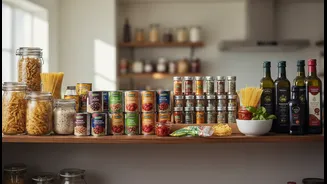
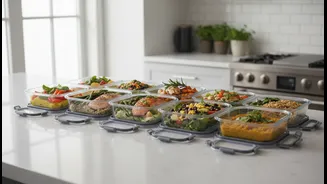
Shift your focus from planning specific recipes to planning core components. This means deciding on your proteins and key vegetables for the week. For example, your list might include chicken, paneer, and lentils. You can pre-cook or prep some of these components in advance. Cook a large batch of rice or quinoa, boil some potatoes, or chop vegetables for a stir-fry. Having these building blocks ready makes weeknight cooking significantly faster. That pre-cooked chicken can become part of a curry, a sandwich filling, or a topping for a salad. This method provides immense flexibility; you can combine the components in different ways depending on your mood, creating varied meals from the same core ingredients.
Strategy 3: Cook Once, Eat Twice
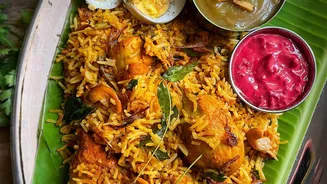
The "cook once, eat twice" philosophy is a cornerstone of efficient meal planning. Whenever you're making a meal that stores well, intentionally cook a larger batch. This doesn't just mean eating the same exact meal two nights in a row. Leftover roasted vegetables can be blended into a soup, added to a wrap, or used as a pizza topping. A large pot of dal can be served with rice one night and used to make dal parathas the next morning. This strategy is not about monotonous leftovers; it's about repurposing cooked elements to save time and energy later in the week. It also drastically cuts down on food waste, as you're giving every bit of food a purpose.