



From Treadmills to Barbells: A National Shift
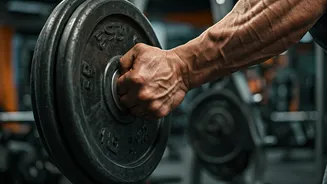
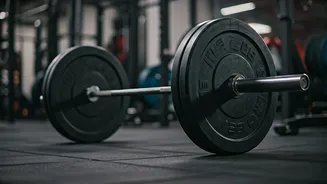
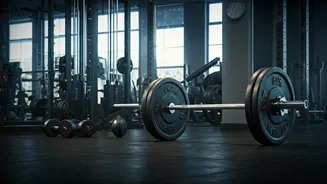
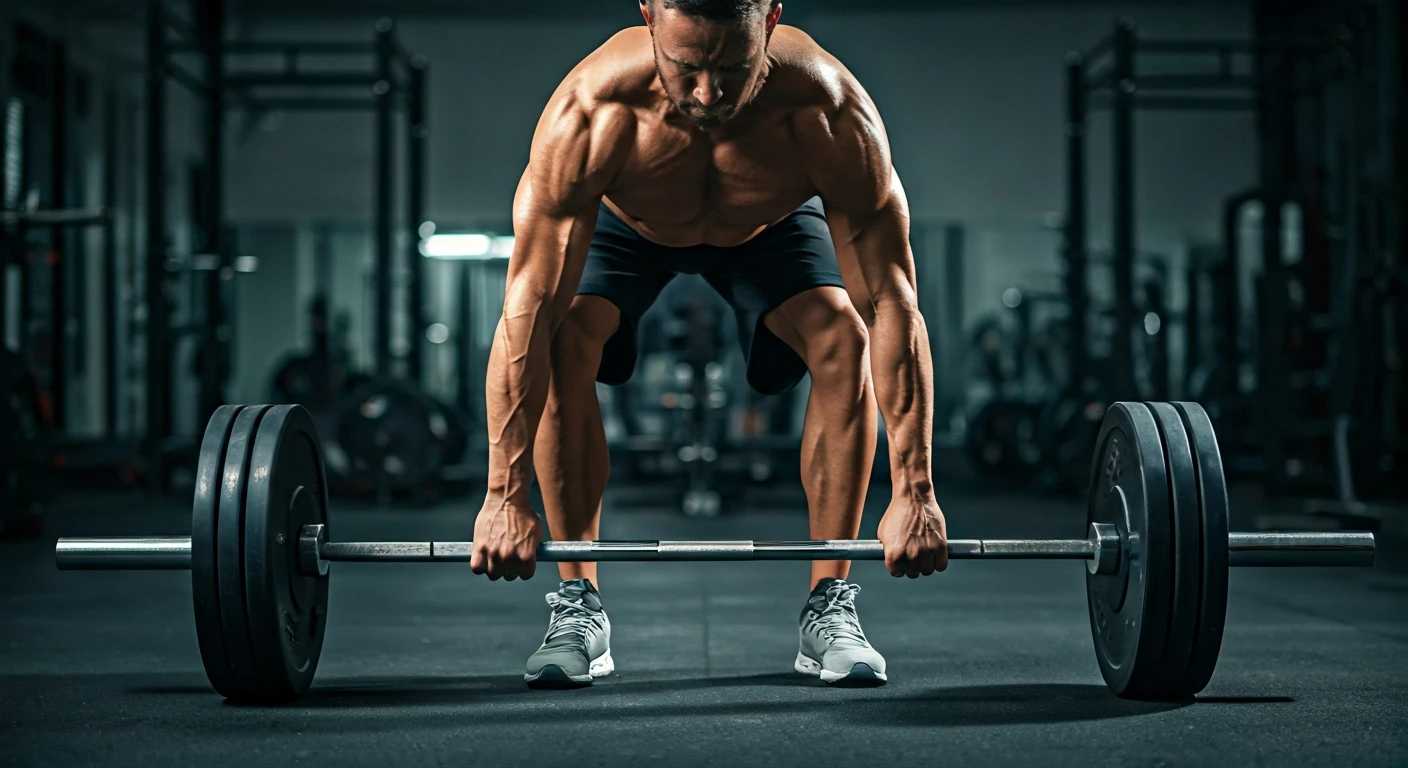
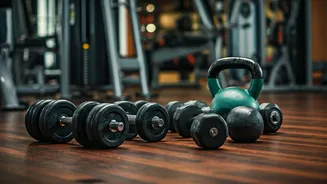
A quiet revolution is happening in gyms across the country. The space once dominated by treadmills and cross-trainers is now making room for squat racks and free weights. Strength training, once considered a niche activity for athletes and bodybuilders,
has firmly entered the mainstream. This trend reflects a significant change in the national mindset towards health. The conversation is evolving from merely wanting to be thin to aspiring to be strong. This shift is driven by a greater understanding that strength is fundamental to long-term health, helping to prevent injury, improve metabolism, and support an active lifestyle well into old age. The Indian fitness market is booming, projected to more than double from ₹16,200 crore in 2024 to ₹37,700 crore by 2030, reflecting a wider cultural adoption of fitness as a way of life.
Breaking Barriers: The Rise of Women in Weightlifting
Perhaps the most powerful aspect of this trend is the growing number of women embracing strength training. For years, the myth that lifting weights makes women 'bulky' kept many confined to cardio sections of the gym. Today, that misconception is shattering. Influenced by sports stars and a desire for functional strength, women are increasingly picking up dumbbells and barbells. Trainers report a massive influx of female clients who are shifting their goals from 'losing weight' to 'getting stronger'. This movement is about more than just physical transformation; it's about empowerment, confidence, and reclaiming space in traditionally male-dominated fitness arenas. Communities and social media groups led by and for women are creating supportive environments that demystify lifting and celebrate strength in all its forms.
The Social Media Influence
The rise of strength training cannot be discussed without acknowledging the role of social media. Platforms like Instagram and YouTube have made fitness knowledge more accessible than ever. Indian fitness influencers are demystifying complex exercises, sharing nutrition tips, and building communities where people feel motivated and supported. They showcase that strength comes in many forms, helping to break down traditional barriers and making fitness seem less intimidating. This digital wave has been particularly impactful post-pandemic, as a greater focus on preventive health has led people to seek out reliable and inspiring fitness content online. The visual proof of transformation and the community aspect of sharing progress have created a powerful ripple effect, encouraging more people to begin their own strength journeys.
More Than Muscle: The Holistic Benefits
The new focus on strength goes beyond aesthetics. Indians are increasingly aware of the deep health benefits that resistance training offers. It is a powerful tool for improving bone density, which is crucial as one ages and a particular concern for women who are more susceptible to osteoporosis. Furthermore, strength training is vital for managing metabolic conditions like PCOS and diabetes by improving insulin sensitivity. The goal is shifting towards 'longevity' and 'healthspan'—not just living longer, but living better and more independently for longer. This understanding of fitness as a form of proactive healthcare, a way to build a resilient body for the future, is a key driver of the trend.