






How Smog Wages War on Your Hair
Every time you step outside, your hair is exposed to a cocktail of airborne pollutants. Smog contains microscopic particulate matter, soot, and chemicals that easily cling to hair strands and settle on the scalp. These particles are not harmless dust;
they trigger oxidative stress, a process that damages the fundamental protein structure of your hair, known as keratin. This leads to the deterioration of the hair cuticle, the protective outermost layer of the hair shaft. When the cuticle is damaged and lifted, your hair becomes rough, brittle, and loses its natural shine. It also becomes more porous, making it susceptible to further damage and moisture loss.
Rice Water: A Strengthening Shield
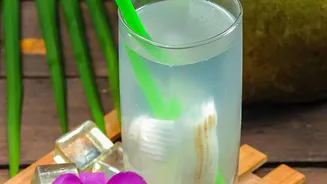
For centuries, rice water has been a revered beauty secret in many parts of Asia, including India. Its power lies in its rich composition of amino acids, vitamins B and E, and minerals. The star ingredient, however, is a carbohydrate called inositol. Studies have shown that inositol can penetrate the hair shaft and remain there even after rinsing, actively working to repair damage from within and strengthen the strand. By smoothing and sealing the hair cuticle, rice water reduces friction and creates a protective barrier. A sealed cuticle is less likely to absorb pollutants from the air, effectively shielding your hair from smog's damaging effects.
The Fermentation Factor
To unlock even greater benefits, traditional wisdom suggests fermenting the rice water. Letting the starchy liquid sit for 24 to 48 hours lowers its pH, making it slightly acidic. This acidity is closer to your hair's natural pH, which helps to further flatten and seal the cuticle, enhancing shine and smoothness. The fermentation process also increases the concentration of antioxidants and pitera, a nutrient-rich byproduct that promotes cell regeneration. This enhanced liquid provides a more potent defence against the free radicals generated by pollution.
Ayurvedic Herbs for Ultimate Defence
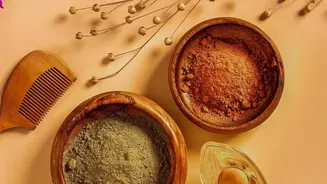
Beyond rice water, Ayurveda offers a treasure trove of herbs that provide powerful protection. Amla, or Indian gooseberry, is a powerhouse of Vitamin C and antioxidants, which are crucial for fighting the oxidative stress caused by pollutants. Shikakai acts as a gentle, natural cleanser that removes dirt and buildup without stripping the hair's protective natural oils. Reetha, or soapnut, also cleanses naturally with its saponin content. Meanwhile, Neem offers antibacterial and antifungal properties, ensuring the scalp remains healthy and free from irritation caused by pollutant buildup. Using a rinse made from these herbs can fortify hair, soothe the scalp, and provide an additional layer of antioxidant protection.
Your At-Home Protective Ritual
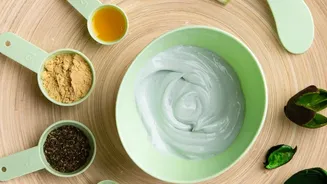
Incorporating these remedies into your routine is simple. For a fermented rice water rinse, soak half a cup of rinsed rice in two cups of water. After a few hours, strain the water into a jar and let it sit at room temperature for 24-48 hours until it develops a slightly sour smell. To use, shampoo your hair as usual, then pour the diluted rice water over your hair, massaging it into your scalp and strands. Let it sit for 15-20 minutes before rinsing thoroughly. For an herbal rinse, boil a tablespoon of amla powder or a handful of neem leaves in water, let it cool, and use it as a final rinse after conditioning. Consistency is key; using these treatments once or twice a week can build your hair's resilience over time.