



Understanding 'Student Neck'
The familiar ache that settles at the base of your skull and radiates down your shoulders has a modern name: 'tech neck' or, for academics, 'student neck'. It’s the result of spending prolonged periods with your head tilted forward, a posture all too
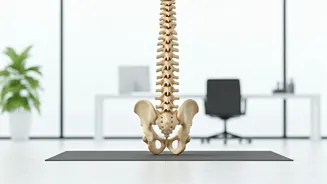
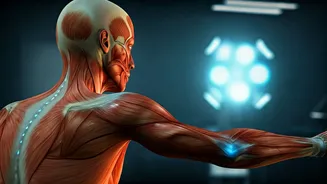
common during intense study sessions or late-night assignment marathons. This forward head posture puts significant strain on the cervical spine and the surrounding muscles, which have to work overtime to support the weight of your head. Over time, this can lead to stiffness, chronic pain, rounded shoulders, and even headaches. While taking regular breaks and being mindful of your posture are crucial first steps, incorporating targeted stretches can provide much-needed relief and help strengthen the muscles that support a healthier alignment. One of the most effective yoga postures for this is Bhujangasana, or Cobra Pose.
An Introduction to Cobra Pose
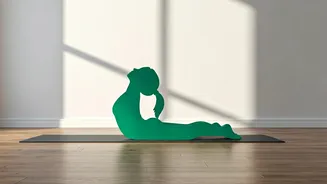
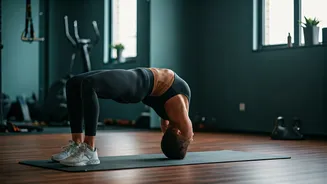
Bhujangasana is a foundational yoga pose that resembles a serpent raising its head. It's a gentle backbend known for strengthening the spine, improving flexibility, and opening the chest and shoulders. When performed correctly, Cobra Pose can be a fantastic antidote to the slouched posture many students adopt. It stretches the front of the body, including the chest and abdominal muscles, while strengthening the back muscles that are essential for good posture. However, the key to unlocking its benefits for neck strain lies in proper form. An incorrectly performed Cobra can actually worsen neck pain, so paying close attention to technique is paramount.
Your Step-by-Step Guide to a Safe Cobra
To get the most out of Cobra Pose without risking injury, follow these steps carefully: 1. **Start on Your Stomach:** Lie face down on a yoga mat. Your legs should be extended behind you, about hip-width apart. Rest the tops of your feet on the mat. Place your forehead on the floor to begin. 2. **Position Your Hands:** Place your palms flat on the mat directly under your shoulders, with your fingers pointing forward. Keep your elbows tucked in close to your ribs. 3. **Engage Your Legs:** Press the tops of your feet and toenails firmly into the mat. This activates your quadriceps and provides a stable foundation for the pose. 4. **Initiate the Lift:** On an inhalation, begin to slowly lift your head and chest off the floor. Lead with your chest and collarbones, not your chin. Imagine you are peeling your spine off the floor vertebra by vertebra. Use your back muscles to do most of the lifting, with only light pressure on your hands. 5. **Maintain Alignment:** Keep your shoulders relaxed and draw them down and away from your ears. Your pelvis and the tops of your thighs should remain pressed into the mat. The goal is to create a graceful, even arc throughout your spine, not to see how high you can lift. Keep a slight bend in your elbows to avoid locking them. 6. **Protect Your Neck:** Keep the back of your neck long and your gaze forward or slightly downward. Avoid the temptation to throw your head back, which can compress the cervical spine and cause strain. The space between your chin and throat should be open, as if you're holding a small apple. 7. **Hold and Breathe:** Hold the pose for 15 to 30 seconds, breathing smoothly and evenly. 8. **Release Gently:** On an exhalation, slowly lower your chest and head back down to the mat. You can turn your head to one side and rest for a few breaths before repeating, or push back into Child's Pose for a gentle counter-stretch.
Modifications for Every Body
Not everyone will be able to perform the full expression of Cobra Pose right away, and that’s perfectly fine. For those with tender lower backs or significant neck pain, it is best to stick with a 'Low Cobra'. In this version, you only lift your chest a few inches off the floor, keeping your elbows bent and your lower ribs on the mat. The focus remains on lengthening the spine and opening the chest. Another gentle variation is the Sphinx Pose, where you rest on your forearms instead of your hands, creating a much less intense backbend. For students who find it difficult to lie on the floor, a modified Cobra can even be done standing against a wall.
When to Be Cautious
Cobra Pose is beneficial for many, but it's not suitable for everyone. Individuals with severe back injuries, such as a herniated disc, carpal tunnel syndrome, recent abdominal surgery, or those who are pregnant should avoid this pose. If you have a serious neck injury, you should only perform this pose under the guidance of an experienced instructor and avoid any upward gaze. The most important rule is to listen to your body; if you feel any sharp or shooting pain, gently release the pose.