







Beyond the Benefit of Ownership
For years, the consensus has been clear: owning a pet is good for you. It provides companionship, encourages a routine, and can even prompt more physical activity. While all this remains true, a more nuanced understanding is emerging. The real magic isn't
in the title of "pet owner," but in the dozens of small, interactive moments we share with our animals throughout the day. Simply being in the same house as a pet is one thing; actively engaging with them is where the most significant psychological and physiological rewards are found. This shift asks us to look beyond their mere presence and focus on the quality of our connection, transforming passive cohabitation into an active practice of mutual wellbeing.
The Science of a Single Interaction
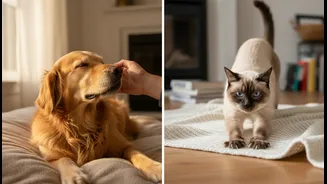
When you pause to stroke your cat or scratch your dog behind the ears, something remarkable happens inside your brain and body. Studies have consistently shown that even brief, positive interactions with animals can trigger a powerful hormonal response. Levels of cortisol, the body's primary stress hormone, can decrease significantly in as little as ten minutes of petting an animal. Simultaneously, your brain releases oxytocin, often called the "love hormone," which is associated with bonding, relaxation, and a sense of calm. This isn't just a vague feeling of happiness; it's a measurable neurochemical shift that can lower blood pressure, reduce anxiety, and foster a tangible sense of connection. These momentary contacts are potent doses of stress relief available to us anytime.
What 'Momentary Contact' Looks Like
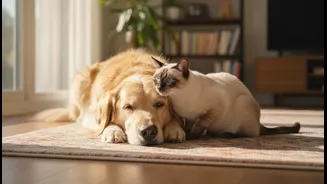
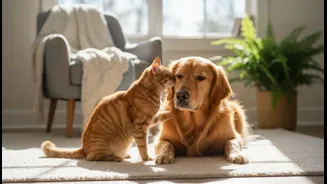
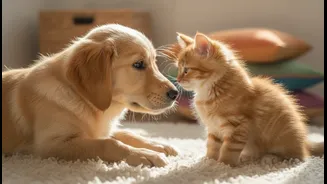
Meaningful interaction goes far beyond an absent-minded pat on the head. It's about being present and engaged, even for a few seconds. For a dog, this could mean a focused game of fetch, a short training session, or making deliberate, gentle eye contact while speaking to them. For cats, whose interaction styles can be more subtle, it might be participating in a "slow blink" exchange to show trust, engaging them with a feather wand, or simply sitting quietly with them while they purr on your lap. The key is shared attention. Research suggests that the positive effects are comparable whether you're interacting with a dog or a cat, though their styles of engagement may differ. Even talking to your pet can be a healthy form of emotional expression without fear of judgment.
Cultivating Mindful Moments with Your Pet
Integrating these beneficial interactions into your life doesn't require a major time commitment. It’s about cultivating a habit of mindfulness around your pet. When you take your dog for a walk, try to tune into the experience with all your senses—the feel of the leash, the sounds of your surroundings, and the joy of your dog's exploration. When your cat curls up beside you, take a moment to notice the warmth, the texture of their fur, and the rhythm of their breathing. These practices turn routine activities into opportunities for connection and stress reduction. By viewing your pet as a partner in mindfulness, you not only strengthen your bond but also amplify the positive effects on your own mental state, transforming mundane moments into enriching experiences.