


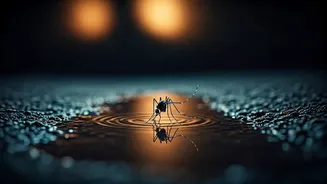



A Breeding Ground for Deadly Diseases
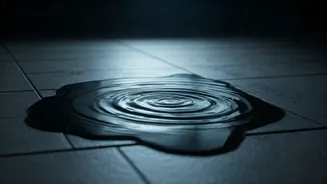
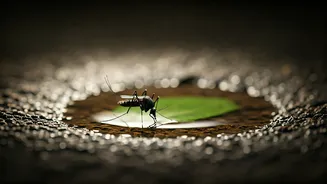
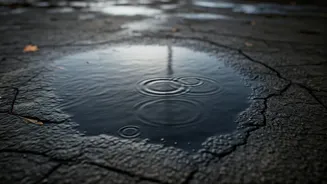
The most immediate danger of stagnant water is that it becomes a perfect breeding ground for mosquitoes. A single puddle can host hundreds of mosquito larvae. In India, this is a major public health concern, as it directly leads to the spread of dangerous
vector-borne diseases like dengue, chikungunya, and malaria. The Aedes aegypti mosquito, which transmits dengue and chikungunya, thrives in clean, collected rainwater in and around homes. A small amount of water in a discarded tyre, a plant saucer, or a clogged gutter is all it needs to multiply, putting your entire family at risk.
Threat to Your Home’s Structural Integrity
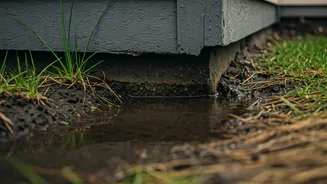
Beyond health risks, standing water can cause significant damage to your property. When water pools against your home’s foundation for extended periods, it can seep into the concrete and brickwork. This persistent moisture weakens the structure over time, leading to cracks in the foundation and walls. Waterlogging can also erode the soil around the foundation, causing it to shift or settle unevenly. Repairing this kind of structural damage is often complex and expensive, making prevention a far more sensible approach.
The Rise of Damp, Mould, and Fungus
Where there is stagnant water, dampness is sure to follow. Water seeping into your walls from clogged terraces or overflowing drains creates patches of dampness, which leads to peeling paint and a musty odour. This damp environment is ideal for the growth of mould and fungus. Not only is mould unsightly, but it can also trigger respiratory issues, allergies, and skin irritation, especially for children, the elderly, and those with pre-existing conditions like asthma. Getting rid of a mould infestation can be a difficult and recurring problem.
A Clear Path for Pest Infestations
Stagnant water doesn't just attract mosquitoes. It provides a source of hydration for a host of other pests, including cockroaches, rodents, and termites. These pests can find their way into your home through cracks and gaps that may have been worsened by water damage. An easily available water source near your home makes it a more attractive shelter for them, increasing the likelihood of an infestation that can be both unhygienic and difficult to control.
Check and Clear Your Drains and Gutters
Prevention starts at the top. Before the monsoon arrives, and regularly during it, ensure your roof gutters and drainage pipes are completely clear of leaves, dirt, and other debris. A clogged gutter will cause rainwater to overflow and run down your walls or collect on the roof, leading to seepage. Similarly, check all the drainage outlets in your compound and on the street outside to ensure they are not blocked. If you notice a blockage, clear it or report it to your local municipal authority.
Inspect Your Terrace, Balcony, and Courtyard
Flat surfaces are prime spots for water to collect. Regularly inspect your terrace or 'chhat' to ensure it has a proper slope and that water is draining away correctly. Don't let puddles form. The same goes for balconies and courtyards. Pay attention to corners and low-lying areas. Sweeping the water away after a heavy downpour is a simple but highly effective habit to cultivate.
Manage Water in Coolers, Pots, and Buckets
The most common mosquito breeding sites are often the ones we overlook. Empty and scrub water trays under refrigerators and air conditioners weekly. If you use a desert cooler, make sure to clean the water tank at least once a week. Turn over empty buckets, pots, and containers so they don't collect rainwater. For plant pots, avoid overwatering and ensure their saucers are emptied daily. Even a bottle cap filled with water is enough for a mosquito to lay eggs.