


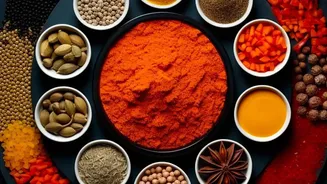
The King of Spices
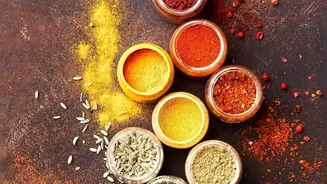
Saffron consists of the tiny, dried red stigmas from a purple flower called the saffron crocus. Each flower produces only three of these threads, which must be harvested by hand during a short-lived autumn bloom. It takes an estimated 75,000 flowers to
produce a single pound of the spice, a painstaking process that explains its high cost. While its exact origins are debated, saffron has been cultivated in India for centuries, with a history stretching back to ancient times. It is particularly associated with the highlands of Kashmir and has been prized in royal courts and festive cuisines, especially during the Mughal era.
A Perfect Pairing: Why Saffron and Rice?
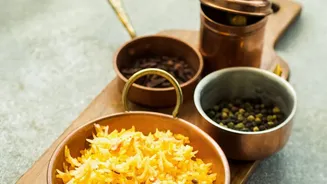
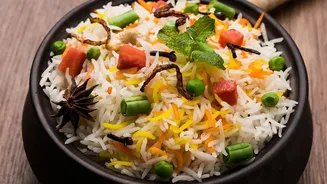
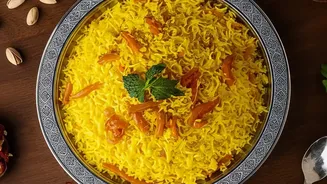
The marriage of saffron and rice is a cornerstone of celebratory food in India. The spice is not just a colouring agent; it imparts a unique flavour profile often described as floral, earthy, and slightly honey-like, with a subtly bitter finish. Its exotic aroma is unmistakable. When added to basmati rice, a fragrant long-grain rice popular in India, saffron creates a dish that is both visually stunning and complex in flavour. It's the defining ingredient in many iconic rice preparations, turning them into dishes fit for a special occasion.
The Golden Rule: How to Bloom Saffron
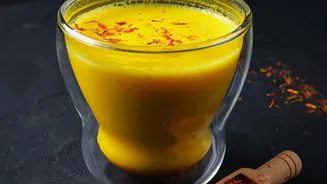
Simply tossing dry saffron threads into your rice will not do them justice. To unlock their full potential, you must 'bloom' them. This simple technique involves steeping the threads in a warm liquid to release their potent colour (crocin), flavour (picrocrocin), and aroma (safranal). Gently crush a generous pinch of saffron threads with your fingers or a mortar and pestle. Steep these crushed threads in a few tablespoons of warm (not boiling) milk or water for at least 15-20 minutes. The liquid will turn a vibrant golden-orange. This infused liquid, along with the softened threads, should then be added to your rice during the cooking process.
Beyond Biryani: Classic Saffron Rice Dishes
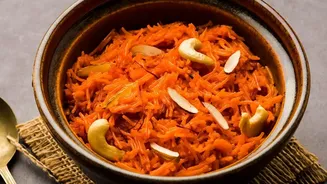
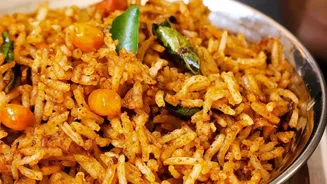
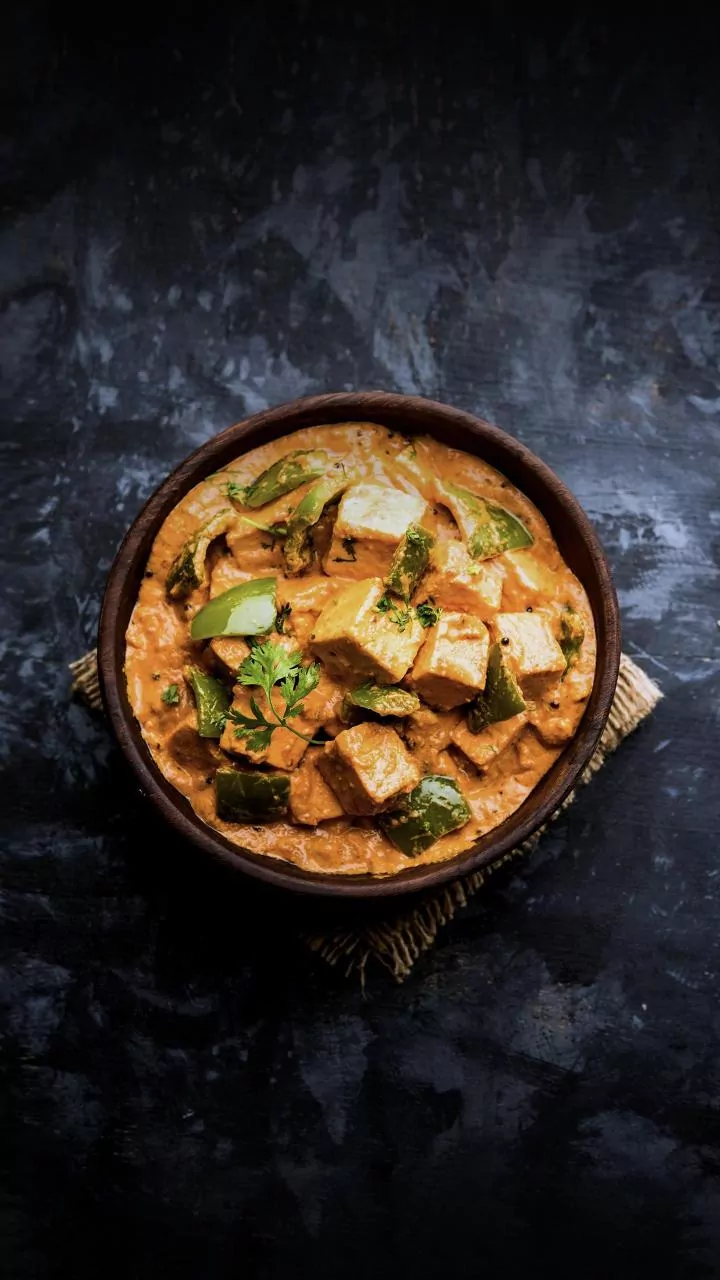
While Biryani is perhaps the most famous dish where saffron rice shines, its use is widespread. In Pulao or Pilaf, saffron adds a touch of luxury to a one-pot rice and vegetable or meat dish. For desserts, it is essential in Kheer (rice pudding) and Phirni, lending its colour and fragrance to the sweet, milky base. Zarda, a sweet rice dish often prepared for festive occasions, gets its characteristic yellow-orange colour and aroma from saffron, complemented by sugar, nuts, and cardamom. Saffron rice, whether plain or spiced, often serves as the perfect, soothing accompaniment to fiery curries and grilled kebabs.
How to Choose Quality Saffron
Given its high price, saffron is unfortunately a target for adulteration. Real saffron threads should be a deep, uniform red and trumpet-shaped—thicker at one end and slender at the other. They should have a distinct aroma of hay and honey. A reliable home test is to drop a few threads into a glass of cold water. Genuine saffron will release its golden-yellow colour slowly, over 10 to 15 minutes, while the threads themselves remain red. Fakes often bleed a red or orange dye immediately and may disintegrate when rubbed. In India, look for Kashmiri saffron with a GI (Geographical Indication) tag, which certifies its origin and quality, ensuring it was grown at high altitudes and meets specific standards for aroma, colour, and flavour.