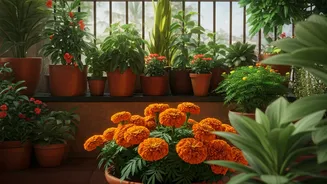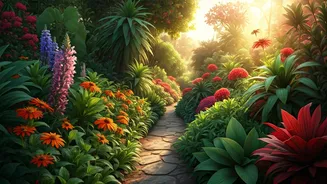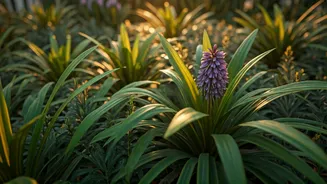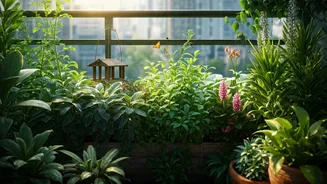




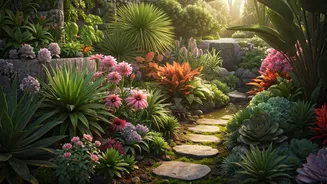


They Are Naturally Resilient
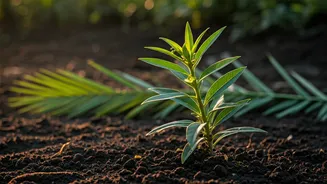
Forget the constant worry and intensive care. Native plants are the original masters of 'jugaad'. They have spent thousands of years adapting to India's specific conditions—our scorching summers, monsoon deluges, and diverse soil types. This means plants like
the Parijat (Night-flowering Jasmine) or the Shankhpushpi (Asian pigeonwings) are naturally tougher and more resilient than exotic imports. They are genetically programmed to thrive in your local environment, not just survive. This translates into less work for you, as they are less prone to disease and stress from weather fluctuations. You get to spend more time enjoying your garden and less time reviving struggling plants.
They Conserve Precious Water
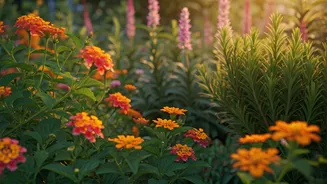
In a country where water is an increasingly precious resource, creating a water-guzzling garden feels irresponsible. This is where native plants are heroes. Many Indian native species, especially those from arid or semi-arid regions, are naturally drought-tolerant. Plants like the hardy Karvi (Strobilanthes callosa) or the vibrant Lantana have evolved deep root systems and other mechanisms to survive long dry spells. By choosing these, you drastically reduce your garden's water consumption. Your water bill will be lower, and you'll be contributing to water conservation efforts in your community—a beautiful garden that is also beautifully responsible.
You'll Create a Wildlife Haven
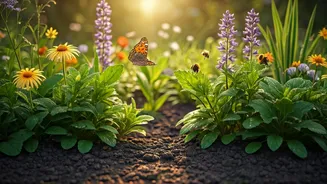
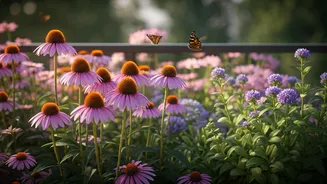
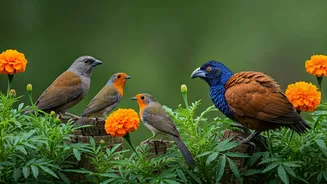
A garden filled with native plants is more than just a collection of flora; it's a living ecosystem. Local birds, bees, butterflies, and other pollinators have co-evolved with these plants. The shape of a flower might be perfectly suited for the beak of a local sunbird, or its nectar might be the ideal food for a specific butterfly. Planting Indian Coral Tree (Erythrina variegata) or Amaltas (Cassia fistula) is like rolling out a welcome mat for this local wildlife. You’ll be treated to the delightful sights and sounds of fluttering butterflies and chirping birds, turning your balcony or garden into a dynamic, buzzing hub of biodiversity.
They Offer a Unique Sense of Place
While foreign species can be beautiful, they can also create a sense of generic placelessness. A garden filled with native plants, however, is a celebration of India's unique natural heritage. The fragrance of Raat ki Rani (Cestrum nocturnum) on a warm evening, the sacredness of a Tulsi plant, or the stunning golden shower of an Amaltas tree connects us to our culture, our seasons, and our land in a profound way. Your garden stops being just a personal space and becomes a small piece of the authentic Indian landscape, reflecting a beauty that is deeply and uniquely our own.
Getting Started with Indian Natives
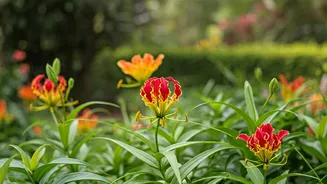
Ready to give it a try? You don't need to overhaul your entire garden overnight. Start with a few pots on your balcony or a small patch in your yard. Look for these easy-to-grow and beautiful options available at local nurseries: * **Flowers:** Marigold (Genda), Hibiscus (Gudhal), Jasmine (Mogra/Chameli), Crossandra (Kanakambaram), and the vibrant Flame Lily (Karihari). * **Shrubs:** The fragrant Parijat, the holy Tulsi (Holy Basil), and the colourful Ixora (Rugmini). * **Climbers:** The beautiful blue Shankhpushpi (Butterfly Pea) and the enchanting Madhumalti (Rangoon Creeper). * **Small Trees:** For larger spaces, consider the medicinal Neem or the stunning Indian Laburnum (Amaltas). Ask your local nursery staff for plants native to your specific region for the best results.