


The Daily Habit Under Scrutiny
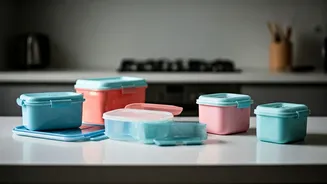
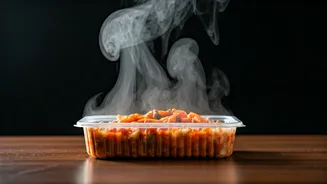
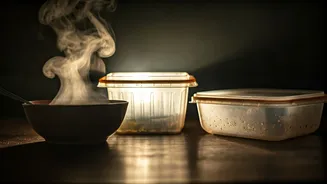
From bustling street-side stalls to neighbourhood restaurants, getting our favourite hot meals packed in plastic is a daily ritual for many. The convenience is undeniable. In a fast-paced world, it’s an easy way to get a hot meal on the go. But this convenience comes
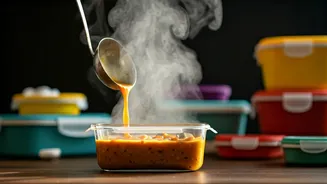
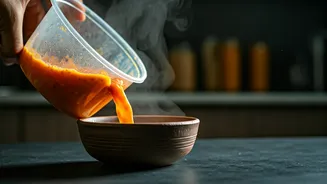
with a question mark. When hot, oily, or acidic foods like dal, sambar, or curries come into contact with certain plastics, it can trigger a process that you can't see, taste, or smell, but one that could have long-term health implications.
What Happens When Heat Meets Plastic?
The primary concern is a process called chemical leaching. Many plastic containers, especially those not designed for high temperatures, can release chemicals into your food when heated. Two of the most well-known culprits are Bisphenol A (BPA) and phthalates. These substances are often used to make plastics either hard and clear or flexible and durable. When you pour hot dal into a container, the heat can accelerate the breakdown of the plastic at a molecular level, allowing these chemicals to migrate from the container into your meal. Even plastics labelled "BPA-free" are not automatically in the clear; they may contain replacement chemicals like Bisphenol S (BPS), which some studies suggest could be just as harmful.
Potential Health Risks to Consider
BPA and phthalates are known as endocrine disruptors, meaning they can interfere with the body's complex hormonal system. Over time, consistent exposure to these chemicals has been linked to a range of health concerns. Studies have associated them with developmental issues, reproductive problems in both men and women, and a potential increased risk for certain types of cancers and metabolic disorders like obesity and type-2 diabetes. While a single meal from a plastic container is unlikely to cause immediate harm, the concern lies in cumulative exposure from a daily habit.
Not All Plastics Are Created Equal
It's important to know how to identify safer plastics. Most plastic containers come with a Resin Identification Code (RIC) — a number from 1 to 7 inside a triangle of arrows. Plastics labelled with #5 (Polypropylene or PP) are generally considered the safest for contact with hot food, as they have a high melting point and are heat-resistant. On the other hand, you should be cautious with #3 (PVC), #6 (Polystyrene or PS), and #7 (Other), as these are more likely to leach chemicals when heated. However, even a 'microwave-safe' label only guarantees the container won't melt or warp; it doesn't mean no chemicals will leach.
Simple Swaps for a Safer Meal
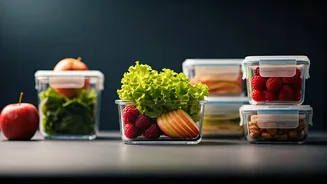
The good news is that protecting yourself is easy with a few small changes. The most effective step is to carry your own container. A stainless steel 'tiffin' or a glass container is an excellent, non-reactive choice for carrying hot food. Many restaurants are happy to pack your food in a container you provide. If you forget yours, ask the restaurant if they have any alternative packaging like food-grade cardboard or bagasse (sugarcane fibre) containers. If plastic is the only option, try to let the food cool down slightly before it's packed to reduce the effect of the heat. At home, always transfer food from plastic takeaway containers to a glass or ceramic dish before reheating.