




The Invisible Armor on Your Greens
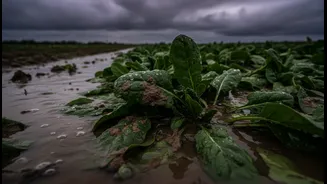
The core of the problem lies in something called a biofilm. Pathogenic bacteria like E. coli, Salmonella, and Listeria, which can contaminate vegetables from the soil, water, or during handling, are masters of survival. They don't just sit on the leaf's
surface; they create a sticky, glue-like matrix that helps them form a tight-knit community. This biofilm acts as a shield, allowing them to firmly attach to the microscopic nooks and crannies of a lettuce or spinach leaf. A simple rinse under cold water often isn't powerful enough to break through this protective layer, meaning many of the harmful microbes are left behind. Studies have shown that even after washing, a significant amount of bacteria can remain on the produce.
The Limitations of a Simple Water Wash
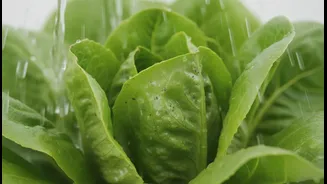
While rinsing vegetables under running water is an essential first step for removing loose dirt and some pesticides, its effectiveness against these resilient bacteria is limited. Research has demonstrated that a standard water wash may only remove a fraction of the pathogens. In fact, some practices, like soaking greens in a sink, can potentially do more harm than good by allowing bacteria from one leaf to spread to the entire batch. The rough, grooved surfaces of greens like spinach and romaine lettuce provide an ideal landscape for bacteria to hide, making them particularly difficult to clean thoroughly with just water. Pathogens can even colonize the pores (stomata) on the leaves, essentially moving inside the plant tissue where no amount of washing can reach them.
Smarter Washing for Safer Salads
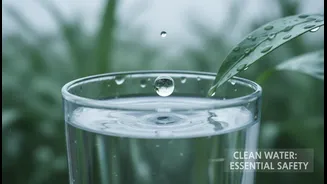
So, what is the best approach? Food safety authorities like the Food Safety and Standards Authority of India (FSSAI) offer clear guidelines. The first rule is to always wash your hands with soap for at least 20 seconds before handling produce. When washing vegetables, instead of a quick soak, rub the leaves gently under cool, running potable water. For firmer produce, a soft vegetable brush can be used. Discarding the outer leaves of lettuces and cabbages is also a good practice. Some studies suggest that washing with a vinegar solution can be more effective at reducing microbial counts than water alone, particularly on leafy greens like lettuce. However, it's crucial to avoid using soap, detergents, or disinfectant wipes on your produce, as these are not meant for consumption.
The Ultimate Safeguard: Applying Heat
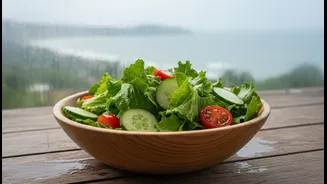
The most foolproof way to eliminate harmful bacteria from your vegetables is cooking. Since we eat salads raw, this crucial safety step is missed, which is why leafy greens are frequently linked to foodborne illnesses. For individuals with compromised immune systems, the elderly, pregnant women, and young children, health experts often recommend avoiding raw salads and sprouts altogether and opting for cooked vegetables instead. This doesn't mean giving up on greens. Many delicious Indian dishes involve cooking greens, which not only ensures they are safe but can also make some nutrients more available to the body. Lightly steaming or sautéing spinach, bok choy, or other greens preserves nutrients while effectively neutralizing potential pathogens.
Best Practices in Your Kitchen
Beyond washing, preventing cross-contamination is key to food safety. Always use separate cutting boards and knives for fresh produce and raw meat, poultry, or seafood. After washing your greens, clean the sink and surrounding platform to prevent any bacteria from spreading. Store fresh vegetables in the refrigerator, away from raw meat, to slow the growth of any potential pathogens. By adopting these smarter washing techniques and safe handling practices, you can significantly reduce the risks and continue to enjoy the fresh, vibrant flavours of your favourite salads with greater peace of mind.