



The Allure of Premium Economy
In recent years, premium economy has emerged as the sweet spot for many long-haul travellers. Positioned as a bridge between the confines of standard economy and the expense of business class, it promises a more comfortable journey. Typically, this means
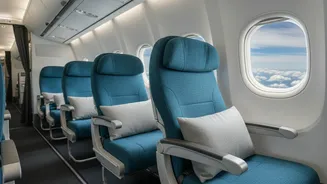
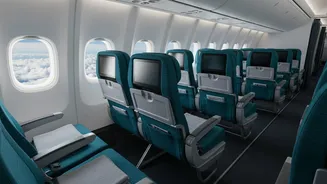
a wider seat with more legroom, greater recline, a larger entertainment screen, enhanced meal service, and priority boarding. For a flight stretching over several hours, these perks can make a world of difference, turning a tolerable trip into a genuinely pleasant one. The key, however, is that the quality and features of premium-economy cabins can vary dramatically not just between airlines, but between different aircraft within the same airline's fleet.
The Aircraft Swap Shuffle
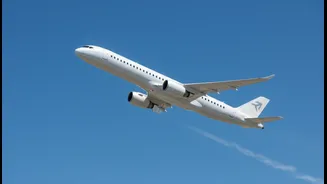
The most common reason for an unexpected seat change is an 'equipment swap' or 'aircraft substitution'. This is an industry term for when the airline changes the plane scheduled to operate your flight. Airlines reserve the right to do this at any time, and it happens for a multitude of operational reasons. These can include unscheduled maintenance, responding to shifts in passenger demand, fleet rebalancing across the network, or even delays in the delivery of new planes. A route that has high demand in the summer might be flown with a large wide-body jet, but switched to a smaller one during the leaner winter months. While this flexibility is crucial for airline operations, it can have a direct and often unannounced impact on your pre-selected seat.
Not All Seats Are Created Equal
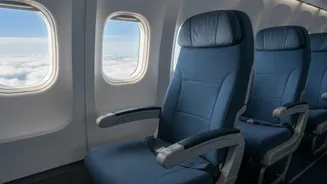
The difference between two premium-economy products can be significant. One aircraft, like an Airbus A350, might feature modern 'fixed shell' seats where the recline mechanism moves the seat cushion forward, so you don't encroach on the person behind you. Another, older Boeing 777 in the same fleet might have a more basic recliner seat that is only marginally wider than a standard economy seat. One might have a 2-3-2 layout, while another could be a more cramped 2-4-2. The amount of legroom, or 'pitch,' can also differ by several inches. This is the heart of the issue: you may have paid a premium for a top-tier product but end up with a sub-par experience through no fault of your own.
Know Your Rights and Recourse
It's critical to understand what your ticket guarantees. An airline ticket is a contract for transportation from Point A to Point B in a specific class of service (e.g., economy, premium economy, business). It is not a contract for a specific seat number or aircraft type. If you are moved from one premium-economy seat to another, even a worse one, the airline has technically fulfilled its obligation and you are generally not entitled to compensation. However, if you paid an extra fee for a specific seat type like 'extra legroom' and are moved to a standard seat, you are entitled to a refund of that fee. If you are involuntarily downgraded to a lower class of service—for example, from premium economy to standard economy—you are entitled to a refund for the difference in fare. Regulations in Europe are even stronger, mandating a percentage-based refund of the ticket price for any downgrade.
A Proactive Protection Strategy
The best defence is being an informed and proactive passenger. Before booking, use websites like SeatGuru to check the seat map for the aircraft type scheduled on your route. After booking, don't just forget about it. Check your reservation on the airline's website or app frequently, especially in the weeks leading up to departure, to see if your seat assignment has changed. For more certainty, consider a subscription to a service like ExpertFlyer, which can send you an alert if the aircraft type on your flight changes. If you spot a change to an inferior aircraft, call the airline immediately. A polite agent may be willing to move you to a different flight on the same route that still has the aircraft and seat you originally booked.
Handling Last-Minute Changes
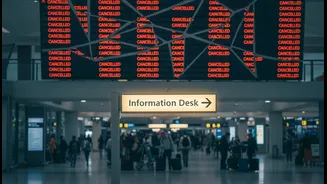
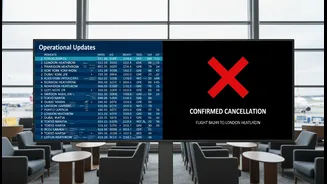
Sometimes a swap happens just hours before departure. If you discover the change at the airport, head to the airline's customer service desk or speak with the gate agents as soon as possible, well before boarding begins. Calmly explain the situation, showing them a screenshot of your original seat assignment if you have one. While their options may be limited, they are your best chance for a last-minute fix. If you end up on the flight in an inferior seat, take pictures and make notes. After your trip, you can contact the airline's customer relations department to express your disappointment. While not guaranteed, they may offer frequent flyer miles or a travel voucher as a gesture of goodwill for the subpar experience.