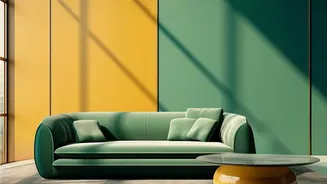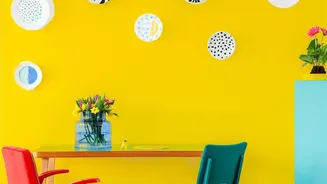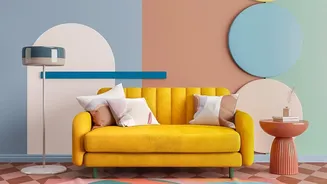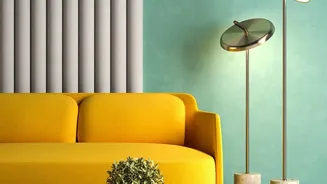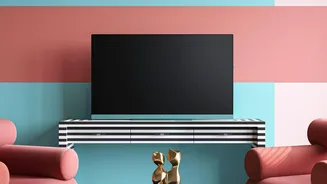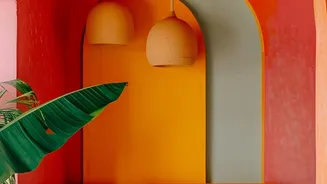




What is Colour-Blocking?
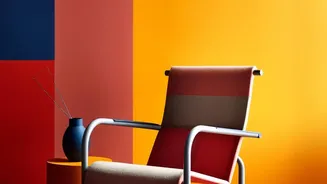
Colour-blocking is an interior design trend where large, solid blocks of contrasting or complementary colours are used to transform a space. Originating in the fashion world, the concept translates beautifully to interiors, turning plain walls into intentional,
graphic statements. The idea is simple: use two or more colours to divide a wall or room, creating visual interest, depth, and even functional zones. This can be as straightforward as painting the lower half of a wall a different colour or as creative as introducing bold geometric shapes like arches, circles, and rectangles. Many brands now offer wallpapers and murals that feature pre-designed colour-block patterns, making it easier than ever to adopt the trend.
A Modern Alternative to Artwork
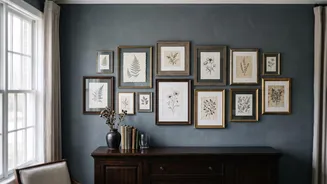
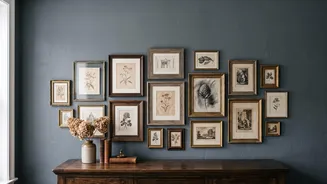
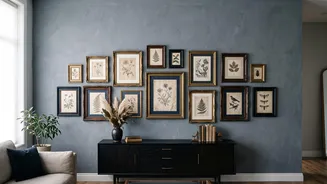
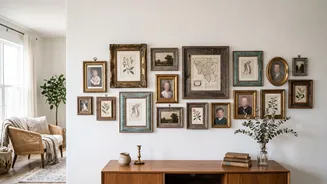
While a large painting can anchor a room, it comes with challenges: finding the right piece, the cost of framing, and the logistics of hanging a heavy object. Colour-blocking offers a compelling alternative. Instead of an object placed on the wall, the design becomes an integral part of the wall itself. This creates a seamless, architectural look that feels both modern and integrated. It allows you to establish a strong focal point behind a key piece of furniture, like a sofa or bed, without the need for a single piece of art. Furthermore, wallpaper can cleverly hide minor surface imperfections like small cracks or bumps, providing a uniform and polished finish that paint alone might not achieve.
Choosing Your Palette
Selecting the right colours is key to successful colour-blocking. While there are no strict rules, design experts often recommend sticking to two or three hues to avoid overwhelming the space. For a harmonious feel, you can use different tones of the same colour family. If you're aiming for a high-impact look, consult a colour wheel and choose complementary colours—those that sit opposite each other, like blue and orange. The 2026 design landscape favours a move away from cool greys toward warmer, earthier neutrals, deep jewel tones, and relaxed pastels. Think about pairing a soft, airy white with a rich terracotta or a deep espresso brown to create a look that feels both calm and intentional.
Strategic Shapes and Placement
Where and how you apply colour-blocking can dramatically alter the feel of a room. A simple two-tone wall, with a darker colour on the bottom and a lighter one on top, can create an illusion of spaciousness. Painting an arch behind a bed can double as a faux headboard, while a bold rectangle can define a workspace in an open-plan area or highlight a cosy reading nook. Don't be afraid to think beyond straight lines; circles, stripes, and abstract geometric murals add a playful yet sophisticated touch. You can even extend the colour onto the ceiling or an adjacent door to create a more immersive, 'colour-drenched' effect that makes a room feel curated and complete.
Getting Started with Wallpaper
For those who prefer a less permanent or DIY-intensive approach, colour-block wallpaper is an excellent option. Many companies offer peel-and-stick versions that are renter-friendly and easy to apply without professional help. These wallpapers come in a vast array of designs, from simple two-tone stripes to complex graphic prints. You can use a patterned wallpaper in combination with a painted wall to achieve a layered effect. This approach allows you to experiment with bold patterns on a feature wall without committing your entire room to a single design. The key is to find a balance that complements your furniture and overall aesthetic, turning a blank wall into a vibrant expression of your personal style.