




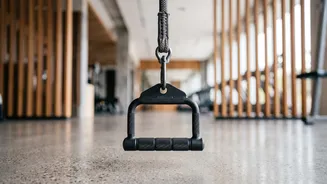
The seated row is a powerhouse exercise for sculpting a strong, defined back and correcting posture. Often recommended by fitness experts, this movement is key to building balanced upper body strength that supports you both in and out of the gym.
Understanding the Seated Row
The seated
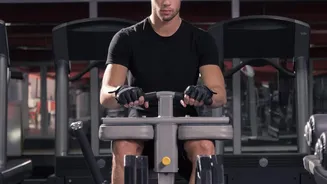
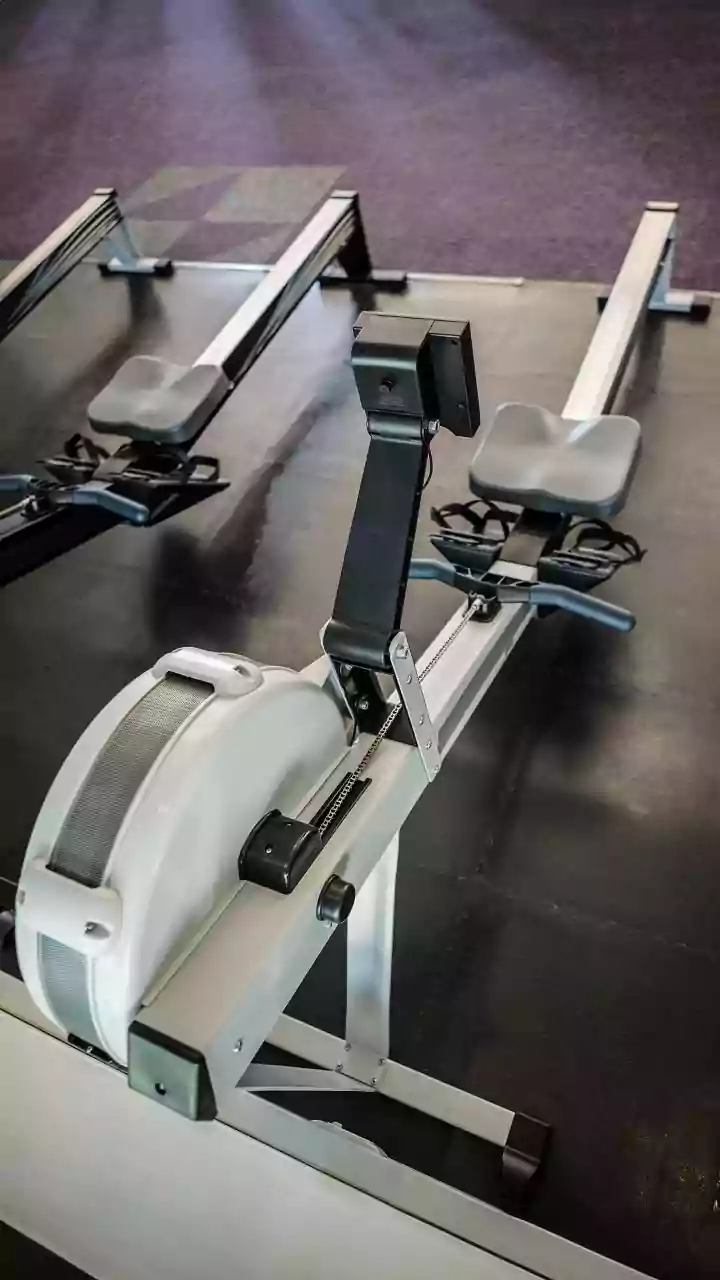
row is a compound exercise, meaning it works multiple joints and muscle groups at once. Typically performed on a cable machine with a bench and footplates, the user pulls a weighted handle toward their torso in a controlled motion that mimics rowing a boat. Its seated position offers stability, providing excellent support that allows you to isolate and focus on the back muscles with less strain on the lower back compared to standing variations like the bent-over row. This makes it an accessible and effective choice for all fitness levels, from beginners to seasoned athletes.
The Primary Muscles Worked
The main reason the seated row is so effective is its ability to engage a wide array of muscles across the back. The primary movers include the latissimus dorsi (the 'lats'), which are the large, wing-like muscles that run down the sides of your back. It also heavily targets the rhomboids, located between your shoulder blades, and the trapezius muscles ('traps'), which span from your neck down to your mid-back. These muscles are crucial for pulling your shoulder blades together, a key action for maintaining good posture. Assisting muscles include the rear deltoids (back of the shoulders) and the biceps.
Perfecting Your Form: A Step-by-Step Guide
Proper form is crucial for maximizing benefits and preventing injury. Sit on the bench with your knees slightly bent and feet firmly on the footplates. Sit tall with your chest up and spine neutral. Extend your arms to grab the handle, then pull your shoulders back and down. Brace your core and pull the handle towards your lower abdomen. Focus on driving your elbows back past your body and squeezing your shoulder blades together at the peak of the movement. Imagine trying to hold a pencil between them. Pause for a second before slowly extending your arms back to the starting position, controlling the weight throughout the entire repetition.
Common Mistakes to Avoid
Several common errors can undermine your efforts and increase injury risk. The most frequent is using momentum by swinging the torso back and forth. This takes tension off the target muscles and can strain the lower back. Another mistake is shrugging the shoulders up toward the ears, which over-engages the upper traps instead of the mid-back. Also, watch out for pulling primarily with your arms instead of initiating the movement from your back. A good cue is to think of your hands as simple hooks and to lead with your elbows. Finally, avoid rounding your back; keep your core engaged to maintain a straight spine.
Helpful Variations and Grips
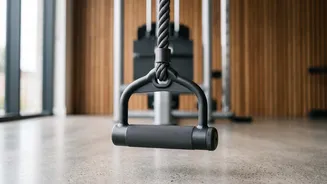
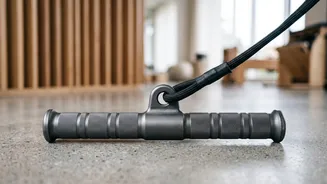
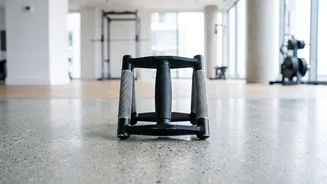
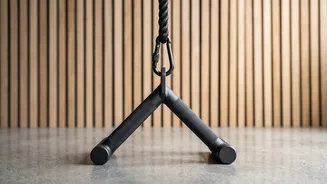
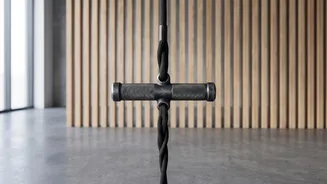
One of the seated row's best features is its versatility. Changing your grip can shift the muscular emphasis. A narrow, neutral grip (using a V-handle with palms facing each other) tends to target the lats more directly. A wider, overhand grip on a straight bar places more focus on the rhomboids, middle traps, and rear deltoids. You can also perform the exercise one arm at a time for a unilateral challenge that forces your core to work harder to prevent rotation. If you don't have access to a cable machine, a similar movement can be performed at home using resistance bands.
Benefits Beyond a Stronger Back
While building a powerful back is the main goal, the benefits don't stop there. By strengthening the muscles responsible for pulling your shoulders back, seated rows are one of the best exercises for improving posture, which can help counteract the slouching that comes from long hours at a desk. This improved posture and muscle balance can, in turn, reduce the risk of shoulder and neck issues. The pulling strength you develop also has direct functional carryover to everyday activities, like opening heavy doors, carrying groceries, or lifting a child.