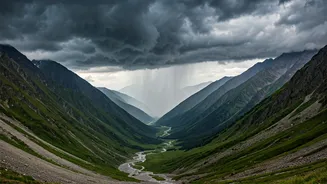




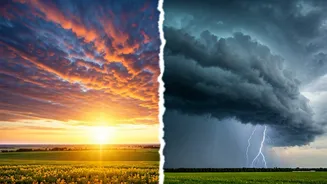




What is Weather-First Travel?
Imagine wanting a week of crisp, sunny days perfect for hiking, but not caring if that happens in the hills of Himachal or the mountains of Uttarakhand. Or perhaps you crave a cosy, rainy week to read in a cafe, whether in a coastal town in Kerala or a quiet
corner of Goa. This is the essence of weather-first travel. It’s a mindset where the desired atmospheric conditions—be it sunshine, mild temperatures, or even dramatic monsoons—are the primary factor in deciding where to go. Instead of locking in a famous city and hoping for good weather, these travellers identify their ideal climate and then search for destinations that offer it during their travel window. This approach moves beyond just chasing the sun; it’s about curating a specific vibe or set of experiences that are entirely dependent on the weather.
The Forces Driving the Forecast
Several factors are converging to make weather-first travel a popular strategy, especially among Gen Z and millennials. First, climate change has made weather patterns more unpredictable. Extreme heatwaves in Europe and inconsistent snowfall in traditional ski areas have shown that booking a trip far in advance based on historical climate data is no longer a safe bet. This uncertainty encourages flexibility. Second, technology plays a huge role. Advanced weather forecasting apps and AI-powered travel platforms allow users to search for destinations based on specific climate parameters. Finally, the rise of remote work and flexible schedules means more young professionals can travel outside of rigid holiday peaks, making them more adaptable to last-minute, weather-dependent plans.
Shoulder Seasons and 'Coolcations'
A major benefit of this trend is the increased interest in travelling during a destination's 'shoulder season'—the period just before or after the peak tourist rush. These times often offer the best balance of pleasant weather, fewer crowds, and lower prices for flights and hotels. For example, visiting a European hotspot in May or September instead of the sweltering and crowded July or August has become a popular choice. This approach not only makes travel more affordable but also helps reduce the strain of overtourism on popular sites. Furthermore, a new travel category called "coolcations" has emerged, where people actively seek out destinations to escape the heat of their own climates. Instead of flocking to hot beaches, travellers are opting for the milder temperatures of places like Scandinavia or the Scottish Highlands during the peak of summer.
An Experience-Driven Mindset
This travel style also reflects a deeper generational shift. For many young travellers, the 'vibe' or the experience is more important than checking a famous landmark off a list. An American Express report noted that 83% of young travellers prioritise authentic experiences over conventional attractions. Choosing a destination based on weather is part of this 'experience-first' mindset. The goal might be an adventurous trek, a wellness retreat, or simply a chance to unwind in nature, all of which are profoundly shaped by the weather. Gen Z, in particular, values unique, immersive activities, and letting the climate guide their choice allows for a more spontaneous and experience-rich journey that aligns with their values of individuality and authenticity.
How the Industry is Adapting
The travel industry is beginning to take note. Destinations are no longer just marketing their peak seasons but are actively promoting the unique draws of their shoulder and off-season periods. Tour operators and airlines are offering more flexible booking options and deals to attract these spontaneous travellers. Some destinations are even using climate as a key selling point. For instance, cities are highlighting their pleasant autumn weather to pull visitors away from the summer rush, while others promote their mild winters for a sunny escape. This shift encourages a more sustainable model of tourism, distributing visitors more evenly throughout the year and providing a more stable income for local communities.