




The Rise of the ‘Nothing-Cation’
Forget 6 AM alarms to catch a sunrise, a frantic rush between three museums, and a different city every two days. The 'do-less' holiday, also dubbed a 'nothing-cation', is exactly what it sounds like: a trip where the main activity is doing as little
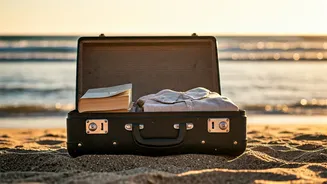
as possible. It’s a deliberate choice to prioritise rest, relaxation, and spontaneity over a meticulously planned schedule. Instead of a checklist of sights to see and photos to capture, the goal is simply to disconnect and recharge. Think of it as choosing a single, peaceful destination—a quiet homestay in the hills of Uttarakhand, a serene beach shack in Goa, or a cosy coffee estate in Coorg—and allowing the days to unfold without any pressure. The agenda might be as simple as reading a book, taking long naps, enjoying leisurely meals, and going for aimless walks. It's the antithesis of the hyper-optimised, experience-packed travel that dominated the last decade.
A Direct Response to Burnout Culture
This trend isn't born from laziness; it's a conscious act of rebellion against the pervasive hustle culture that has defined the modern workplace and, by extension, modern life. Gen Z, having entered the workforce during a period of economic uncertainty and constant digital connectivity, is arguably the most burned-out generation. They've grown up with the mantra that every moment should be optimised for productivity or self-improvement. Leisure time itself became a performance, documented on social media. The 'do-less' holiday is a powerful counter-movement. It’s a recognition that true rest isn't just a physical break from work but a mental one from the pressure to always be 'on'. In a world where even hobbies are monetised and side hustles are the norm, choosing to do nothing is a radical act of self-care. It’s about reclaiming vacation time for its original purpose: genuine recuperation.
Rejecting the Instagrammable Trip
For years, travel was intrinsically linked to social media. A trip wasn't 'real' unless it was documented with a series of perfectly curated photos, from the boarding pass to the sunset cocktail. This created immense pressure to visit specific 'Instagrammable' spots, wear the right outfits, and project an image of effortless adventure. Gen Z is now questioning this performance. A 'do-less' holiday is inherently un-Instagrammable in the traditional sense. The best moments—an uninterrupted hour with a book, a spontaneous conversation with a local, or simply watching the rain from a balcony—can't be easily captured or conveyed in a filtered post. This shift marks a move towards more authentic, private experiences. It’s not that they won't post anything, but the focus is no longer on creating a travelogue for an audience. The vacation is for the traveller, not for their followers.
How to Embrace the Art of Doing Less
Adopting this mindset requires unlearning old habits. The first step is to pick one destination and stay there. Avoid the temptation to hop between cities. The goal is to settle in and find a rhythm. Secondly, have a loose plan, or better yet, no plan at all. Let your mood dictate your day. If you feel like sleeping in, do it. If you discover a charming cafe, spend the whole afternoon there. Pack light—not just your suitcase, but your mental load. Leave the work laptop and the need to check emails behind. Finally, embrace boredom. We are so used to constant stimulation that moments of quiet can feel uncomfortable. A 'do-less' holiday is an opportunity to sit with your thoughts, get reacquainted with your own company, and let your mind truly wander without the next notification pulling you away.