






The Great Economic Dispersion
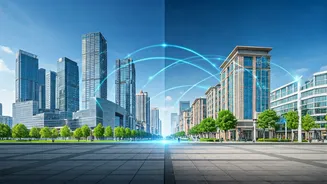
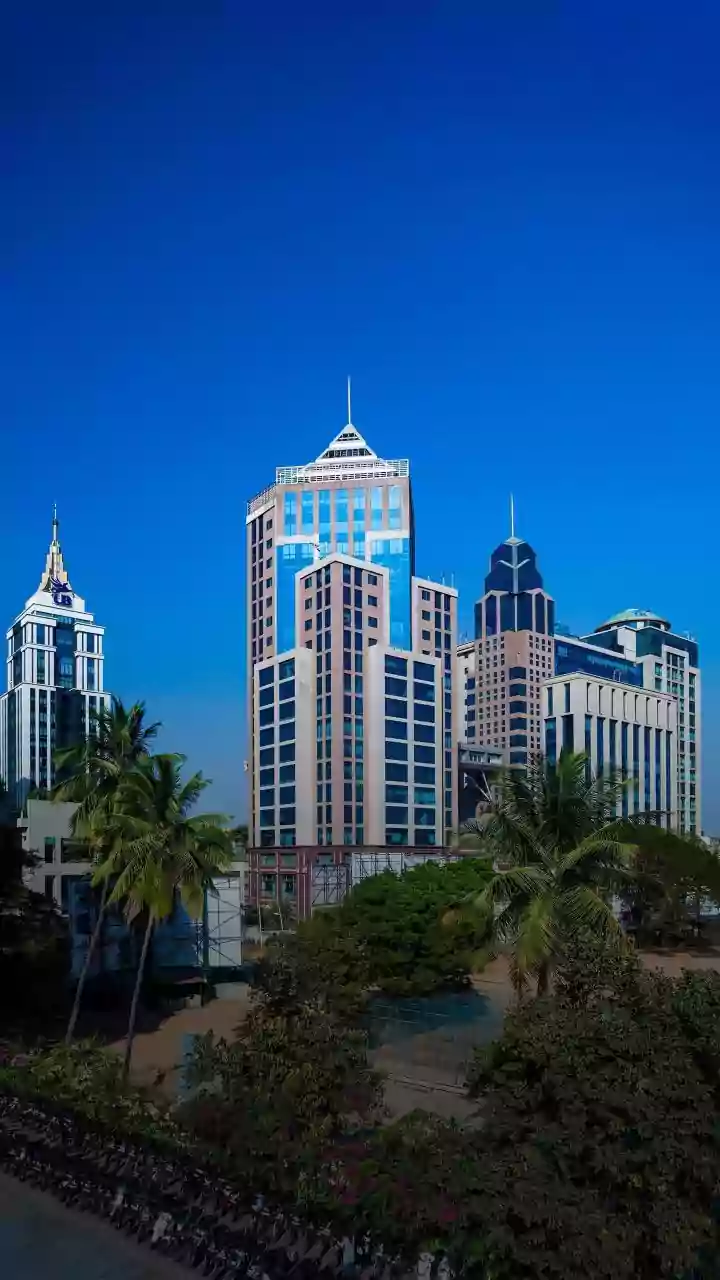
The long-held belief that premium lifestyles, branded goods, and modern experiences are exclusive to Mumbai, Delhi, or Bengaluru is rapidly becoming outdated. A fundamental shift is underway, decentralizing India's economic and cultural dynamism. This
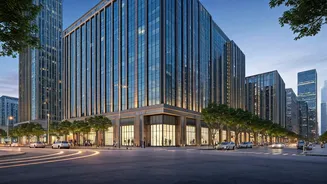
is not just about overflow from saturated metros; it’s about the emergence of new, self-sustaining growth engines. Cities like Jaipur, Lucknow, Indore, Coimbatore, and Nagpur are no longer just future prospects but are demonstrating tangible demand and stronger economic fundamentals. This trend is so significant that developers and investors are increasingly shifting their focus, with some estimates suggesting land prices in these cities could surge dramatically in the coming years. This transformation is powered by improved infrastructure, economic diversification, and a crucial change in lifestyle aspirations.
The Digital and Infrastructure Catalyst
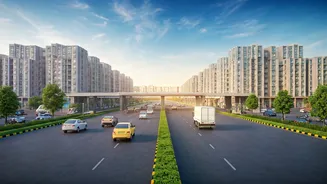
At the heart of this change is a dual revolution: digital and physical infrastructure. The aggressive push for better road networks, new airports under the UDAN scheme, and widespread digital connectivity has been a game-changer. Expressways and metro corridors are not just cutting travel time but are also unlocking new development potential, with properties near new transit lines commanding significant premiums. Simultaneously, the trinity of affordable smartphones, cheap data, and the Unified Payments Interface (UPI) has democratized access to e-commerce, information, and financial services. This digital awakening has exposed millions in smaller cities to global trends and brands, creating a new, digitally-savvy consumer base with evolving aspirations.
New Pockets of Affluence and Aspiration
Lifestyle growth is directly tied to spending power, and incomes are rising steadily in non-metro regions. This isn't just a perception; rural household expenditure has grown faster annually than in urban areas over the last decade, significantly narrowing the spending gap. This rising affluence is driven by several factors: the decentralization of IT and service industries, the growth of local MSMEs, and the pandemic-accelerated trend of remote work. Professionals are increasingly returning to their hometowns, bringing high-skill jobs and metro-level salaries with them, which boosts local economies. This 'reverse migration' fuels demand not just for goods but for a better quality of life, including premium housing, co-working spaces, and modern amenities that were once metro-exclusives.
Brands and Businesses Follow the Money
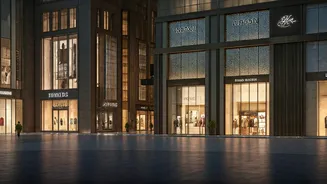
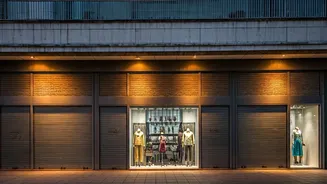
Where consumers go, brands follow. The retail real estate sector is a significant beneficiary of this shift, with organised retail chains and international brands expanding aggressively into Tier 2 and 3 markets. This includes everything from quick-commerce and food delivery services to premium fashion and automobile showrooms. Even corporate travel is seeing a massive shift, with nearly 60% of domestic business travel bookings now involving non-metro routes, prompting hospitality chains to ramp up their presence in these emerging hubs. The demand is not just for products but for experiences. Consumers are increasingly spending on dining out, entertainment, wellness, and travel, fueling the growth of cafes, fine-dining restaurants, and fitness centres in cities across the country.
A Permanent Shift in India's Consumer Story
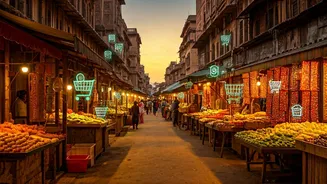
This movement is more than a fleeting trend; it represents a structural rebalancing of the Indian economy. While megacities remain vital, they are no longer the sole drivers of the nation's consumer story. Growth is now more distributed and polycentric. This has profound implications for businesses, which must now look beyond the top urban centres to tap into the country's real demographic and economic potential. The rise of entrepreneurship in smaller towns is further accelerating this cycle, creating local jobs and solutions tailored to regional tastes. From luxury housing in Panchkula to a buzzing startup scene in Kochi, the evidence is clear: the aspiration to live well and spend well is now a pan-Indian phenomenon.