



The Foundation of Harmony
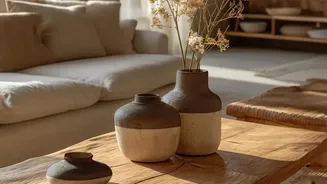
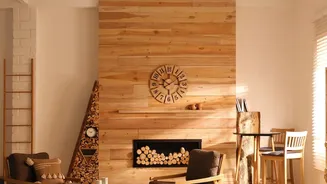
The combination of natural wood and earthy tones is a timeless strategy for creating a calm and inviting atmosphere. This approach, often linked to biophilic design, is about bringing the textures and colours of the outdoors inside, which can reduce stress
and improve well-being. Wood, with its inherent warmth and unique grain, provides a grounding, natural element. When paired with colours drawn from nature—like terracotta, sand, olive green, or ochre—the result is a space that feels both cohesive and deeply comforting. This pairing works because it mimics the harmony we see in the natural world, making it an intuitive and effective choice for a peaceful home.
Choosing Your Neutral Wood
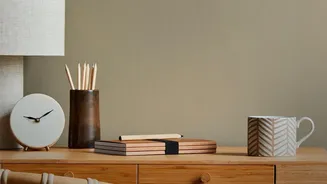
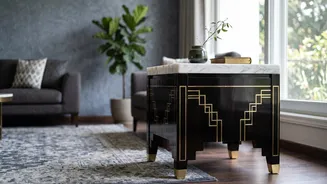
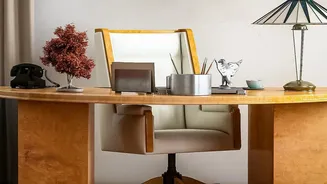
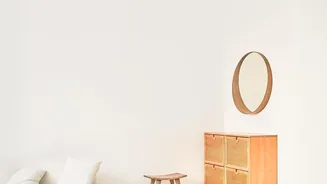
Not all wood is created equal, and the tone you choose will shape the room's mood. For smaller flats, lighter woods like pine, white oak, or maple are excellent choices. Their pale, airy quality reflects more light, making a room feel larger and more open. Medium-toned woods such as teak or sheesham offer a classic warmth that pairs beautifully with a wide range of earthy colours. Darker woods like walnut or mahogany can add a touch of luxury and depth. In a smaller space, use these darker woods as accent pieces—a coffee table, a side chair, or shelving—to create a sophisticated contrast without overwhelming the room. The key is to let one wood tone dominate and use one or two others as accents to create a layered, collected look.
Mastering Earthy Colour-Blocking
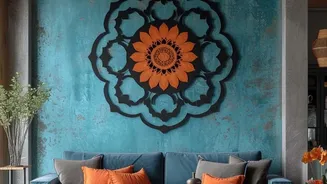
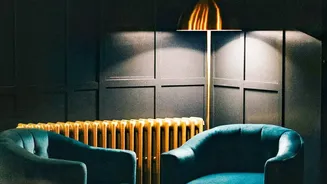
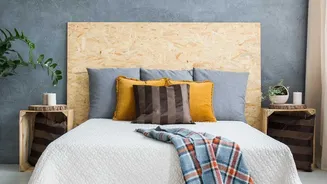
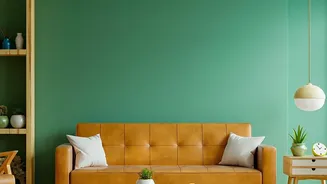
Colour-blocking is a technique that uses solid blocks of contrasting or complementary colours to create a bold statement. When applied to walls with an earthy palette, it adds architectural interest without needing structural changes. Forget painting the entire room one colour. Instead, focus on a single feature wall—perhaps behind the sofa or bed—to create a powerful focal point. The beauty of this technique is its versatility. You can create horizontal blocks to make a room feel wider, or vertical stripes to give the illusion of higher ceilings. Popular combinations in Indian homes include pairing a rich terracotta with a soft sand colour, a deep olive green with a creamy beige, or a warm ochre with a muted grey. This allows you to introduce deep, vibrant colour in a controlled way, adding personality while keeping the rest of the space feeling light.
Wallpaper: Your Secret Weapon
While paint is a great tool for colour-blocking, wallpaper takes it to another level. Modern wallpapers offer not just colour but also texture—think linen, grasscloth, or subtle prints that mimic natural materials. This adds another layer of sensory detail to the room. When choosing a wallpaper, consider the scale of the pattern. In a small flat, a large-scale, simple geometric or botanical print can paradoxically make the space feel grander, as there are fewer visual interruptions. Look for designs that incorporate earthy tones. A wallpaper with a warm terracotta base and a cream-coloured pattern can tie the entire room together, echoing the colour of your cushions or the tone of your lighter wood furniture. Apply it to a single wall to get the 'wow' factor without the commitment of a four-wall application.
Bringing It All Together
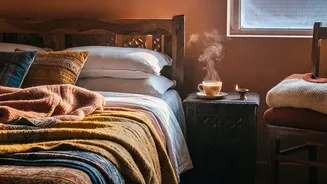
With your wood furniture and colour-blocked wall in place, the final step is accessorising. This is where you connect all the elements. Use textiles to soften the look and repeat your chosen colours. If your feature wall is olive green, add a couple of olive-coloured cushions to your neutral sofa. A textured rug in a cream or beige tone can anchor the furniture and provide a soft landing. Plants are a must; their natural green hues bridge the gap between wood and earthy tones perfectly. Finally, consider your metals. Warm metals like aged brass or oil-rubbed bronze complement an earthy palette far better than cool chrome or silver. Use them for light fixtures, cabinet handles, or picture frames to add a final, polished touch.