



The First Glance: A Visual Inspection
Before anything else, give your container a thorough look. This goes beyond a quick glance to see if it's clean. Look for any signs of physical damage. For plastic containers, this means checking for warping, which can happen if they are exposed to high
heat in the dishwasher or microwave. Warped containers may not seal properly, compromising food freshness and safety. Also look for cracks, deep scratches, or cloudy surfaces on your plastic containers. These imperfections aren't just cosmetic; they can become breeding grounds for bacteria that are difficult to wash away.
Material Check: Plastic Problems
Plastic containers require special attention. Scratches on the interior surface are a primary concern because bacteria can get trapped in these crevices, potentially contaminating your food even after washing. Significant scratching is a sign that the container is past its prime. Stains, often from acidic foods like tomato sauce, are usually just cosmetic and don't necessarily mean the container is unsafe, but persistent stains can indicate the plastic is degrading. Older plastic containers, especially those made before 2010, may contain BPA, a chemical that can leach into food, particularly when heated. If a container is heavily scratched, warped, or very old, it's safer to retire it from food duty.
Material Check: Glass, Steel, and Silicone
Glass containers are a durable and non-porous option, meaning they won't absorb odours or stains. However, they are not indestructible. Before each use, run your finger carefully around the rim and check the body for any chips or cracks. Even a small chip can be a safety hazard and compromise the container's structural integrity. Stainless steel is another robust choice, but you should inspect it for any signs of rust or significant dents that could affect its use. For food-grade silicone containers, check for any visible cracking, brittleness, or loss of flexibility. A sticky or tacky surface can also indicate that the silicone is breaking down and should no longer be used for food.
The Sniff Test: Detecting Lingering Odours
Your nose is a powerful tool for food safety. After washing and drying, give your container a good sniff. If there's a persistent, funky smell, it could be a sign of trapped food particles or bacterial growth, especially in scratched or porous plastic. While some smells might not transfer to new food, it often indicates the container is not getting completely clean. Trying to remove odours with a baking soda paste or a vinegar rinse can help, but if the smell remains, it's a strong signal that it might be time to replace the container.
Don't Forget the Lid and Seal
The container itself is only half the story. A faulty lid can lead to leaks and expose your food to air, causing it to spoil faster. Inspect the lid for any cracks or warping. Pay close attention to the seal, which is often made of silicone. Ensure it is seated correctly, with no twists or gaps. Check for any signs of tearing, stretching, or mildew. If the lid doesn't create a tight, secure seal anymore, the container won't be effective for storage, especially for liquids or for keeping foods fresh. Many high-quality containers have lifetime guarantees, and you may be able to get a replacement for a broken lid or container.
The Golden Rule: When in Doubt, Throw It Out
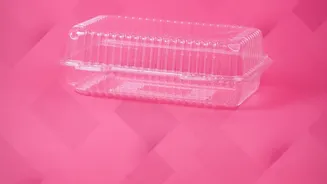
There isn't a strict expiration date for most reusable containers; their lifespan depends on the quality of the material and how they're used and cared for. High-quality containers can last for many years, while flimsy, single-use takeout containers are not designed for repeated heating and washing. As a general guideline, regularly inspect your collection. If you see significant damage like cracks, deep scratches that harbor bacteria, or warping that prevents a good seal, it's always safest to err on the side of caution. Recycle the old container according to the symbol on its base and invest in a new one. Your peace of mind and food safety are worth it.