








Why Your Desk Is a Pain in the Back
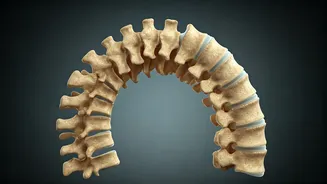
Sitting for prolonged periods, especially with poor posture, puts immense pressure on your spine and can lead to chronic pain. [7] When you're hunched over a keyboard, your spine loses its natural curve, straining the muscles and discs in your lower back.
[9] This static posture weakens the core and back muscles that are essential for support, while tightening others like your hip flexors and hamstrings. This imbalance pulls on your pelvis and contributes significantly to lower back pain. [3] The good news is that integrating short, simple movements throughout your day can counteract these effects, improve circulation, and alleviate the tension that builds up from being sedentary. [8, 15]
Your 10-Minute Desk-Stretch Routine
The key to making a difference is consistency. Set a reminder to get up or perform these stretches at least once or twice a day. [10] You don't need any special equipment, just a sturdy, stationary chair. [1] These movements are designed to be gentle and effective, focusing on mobilizing the spine, opening the chest, and releasing tension in the areas most affected by desk work. Remember to move slowly and never push into pain. Focus on your breathing to help your muscles relax into each stretch. [17]
1. Seated Cat-Cow
This dynamic stretch is excellent for improving spinal flexibility and relieving stiffness. Sit upright with your feet flat on the floor and your hands on your knees. [2] As you inhale, arch your back, push your chest forward, and look up toward the ceiling (Cow Pose). As you exhale, round your spine, tuck your chin to your chest, and pull your belly button inward (Cat Pose). [2, 9] Move smoothly between these two positions for five to ten repetitions, coordinating the movement with your breath. [2]
2. Seated Spinal Twist
A gentle twist helps to release tension along the sides of your spine and improve mobility. Sit tall in your chair with your feet flat on the floor. While keeping your hips facing forward, gently twist your upper body to the left, placing your right hand on your left knee and your left hand on the back or side of the chair for support. [2, 9] Hold the stretch for 15 to 30 seconds, breathing deeply to lengthen your spine. Return to the center and repeat on the right side. [2] This movement encourages flexibility in the spine, hips, and shoulders. [1]
3. Chest Opener
This stretch directly counteracts the slumped-forward posture many of us adopt at our desks. Sit near the edge of your chair with your feet flat on the ground. Clasp your hands behind your back. [9] Straighten your arms and gently pull your shoulder blades together, lifting your chest towards the ceiling. You should feel a pleasant stretch across your chest and the front of your shoulders. Hold this pose for 15 to 20 seconds, remembering to breathe. This helps realign your spine and improve your posture. [3, 9]
4. Seated Hamstring Stretch
Tight hamstrings can pull on your lower back, contributing to pain and discomfort. To stretch them, sit on the edge of your chair. Extend one leg straight out in front of you, with your heel on the floor and your toes pointing up. [14] Keep your other foot flat on the floor with the knee bent. With a straight back, gently hinge forward from your hips until you feel a stretch along the back of your extended leg. [14, 17] Hold for 20 to 30 seconds, and then switch to the other leg. [17]
5. Shoulder and Neck Release
Tension often collects in the neck and shoulders during the workday. For a simple release, sit up straight and gently tilt your head toward your right shoulder, holding for about 15 seconds. [9] You should feel a light stretch along the left side of your neck. Repeat on the other side. Follow this with a few shoulder shrugs: inhale to lift your shoulders up toward your ears, then exhale to let them drop completely. [15] This helps release built-up tension. [5]
Beyond the 10-Minute Routine
While these stretches are highly beneficial, integrating them with better ergonomic habits will provide the most lasting relief. Ensure your workstation is set up correctly: your monitor should be at eye level, your feet flat on the floor, and your chair should provide lumbar support. [4, 6] Try to take short breaks every 30 minutes to stand up, walk around, or simply change positions. [12] Using a sit-stand desk can also be an excellent way to vary your posture throughout the day and reduce the strain of constant sitting. [11]