







Monitor Official Weather Updates
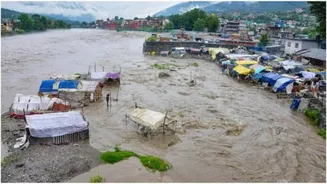
Before anything else, stay informed with credible information. The India Meteorological Department (IMD) provides regular, detailed forecasts and warnings for different regions. As of July 11 and 12, alerts for heavy rainfall have been issued for parts
of northeast India, West Bengal, Bihar, and Uttar Pradesh. Similar warnings are in place for Uttarakhand and Jammu and Kashmir. Relying on official sources helps you understand the specific risks for your area, such as flash floods or severe waterlogging, and avoid misinformation. Local authorities often use these forecasts to issue specific advisories.
Secure Your Home and Property
A little work at home can prevent significant damage. Start by checking for and repairing any leaks in your roof or walls. Clear out debris from drains and gutters around your house to prevent blockages that can lead to water accumulation. If you have a balcony or outdoor space, secure any loose items like furniture, pots, or advertising boards that could be blown away by strong winds. In areas prone to flooding, consider using sandbags or inflatable flood barriers to protect low-lying entry points. It's also wise to check that electrical wiring is properly insulated and to stay clear of any downed power lines.
Assemble an Emergency Kit
Power cuts and travel disruptions are common during heavy rains, so an emergency kit is a must. Your kit should include a torch with extra batteries, a fully charged power bank for your mobile phone, and a first-aid box with essential medicines, antiseptic wipes, and bandages. Stock up on enough drinking water and non-perishable snacks to last a couple of days in case you are unable to leave your home. Keeping some cash handy is also a good idea, as digital payments may not work during a power outage.
Rethink Your Commute and Travel
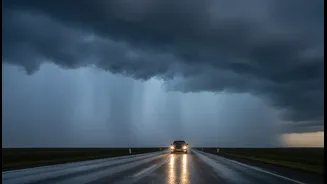
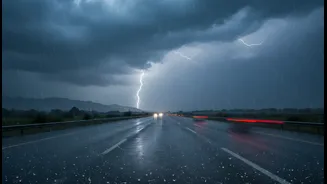
Navigating city streets during a downpour can be challenging and dangerous. Before leaving home, check for traffic updates and reports of waterlogged routes. If possible, postpone non-essential travel. If you must travel, allow for extra time and inform someone of your route and expected arrival time. Avoid driving through flooded streets, as it is difficult to judge the depth of the water and there may be hidden potholes or open manholes. For those using two-wheelers, a good-quality raincoat is more effective than an umbrella. Ensure your vehicle's tyres, brakes, and wipers are in good condition.
Prioritise Health and Hygiene
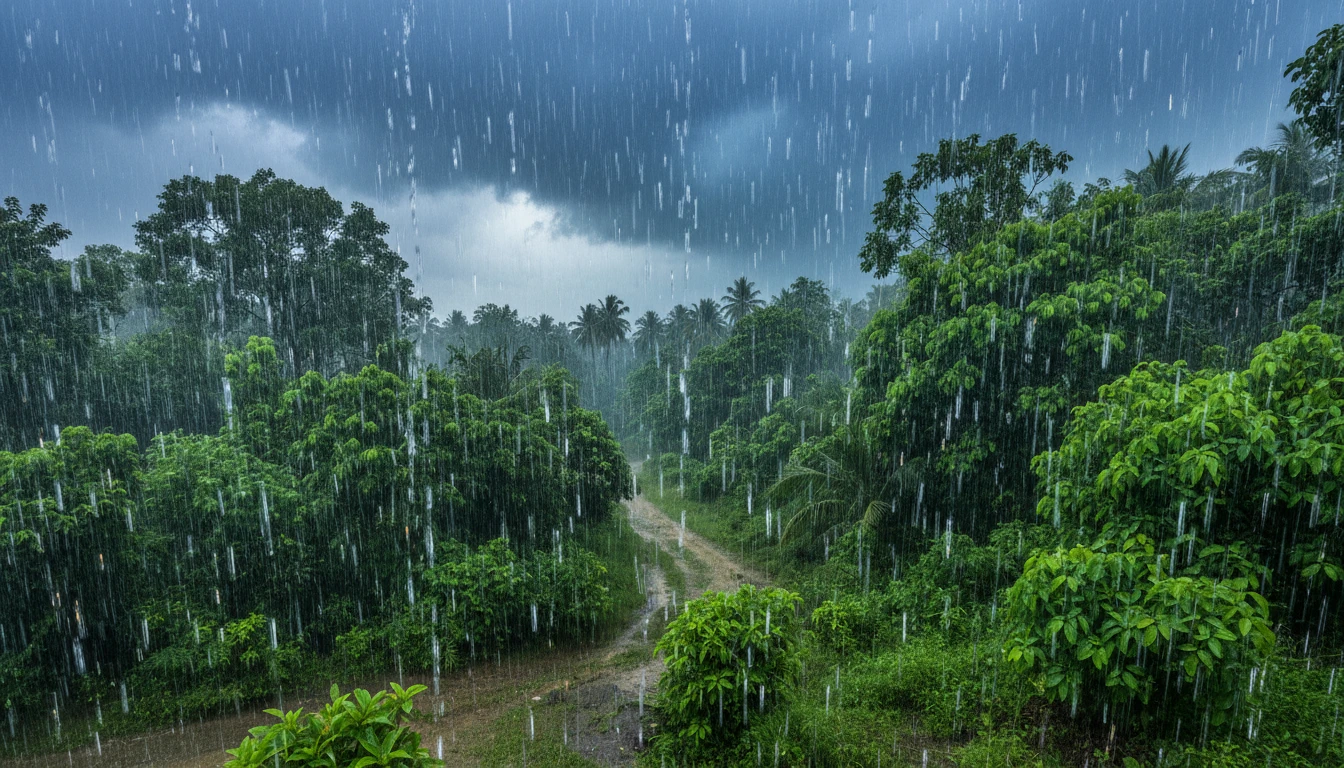
The monsoon season can increase the risk of waterborne diseases like cholera and typhoid. To stay safe, drink only boiled or filtered water and avoid street food, especially items that may have been exposed to contaminated water. Walking through stagnant water can lead to fungal infections and other skin issues, so it's important to wash your feet and legs thoroughly with soap and water after exposure. Wearing appropriate waterproof footwear with good grip can also help prevent slips and falls on slippery surfaces.