





A New Fashion Capital Is Everywhere
The idea that Mumbai and Delhi hold a monopoly on Indian style is rapidly becoming a relic. A quiet but powerful revolution is taking place in the nation’s Tier-2 and Tier-3 cities. [17] From the vibrant streets of Indore and Coimbatore to the historic
lanes of Lucknow, a new aesthetic is emerging—one that’s authentic, digitally savvy, and increasingly setting the national tone. [4] These cities, once seen as secondary markets, now account for a staggering portion of fashion e-commerce sales, with some projections suggesting they will make up 70% of the market by 2026. [4] This isn't just an economic shift; it's a cultural one. Consumers in these regions are no longer passive followers of metro trends. [4] They are developing a unique style language that blends global influences with deep-seated regional pride, creating a look that is both modern and distinctly Indian.
The Look: Authenticity Meets Aspiration
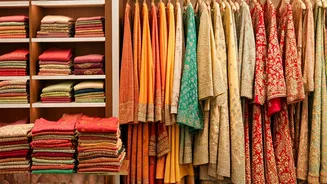
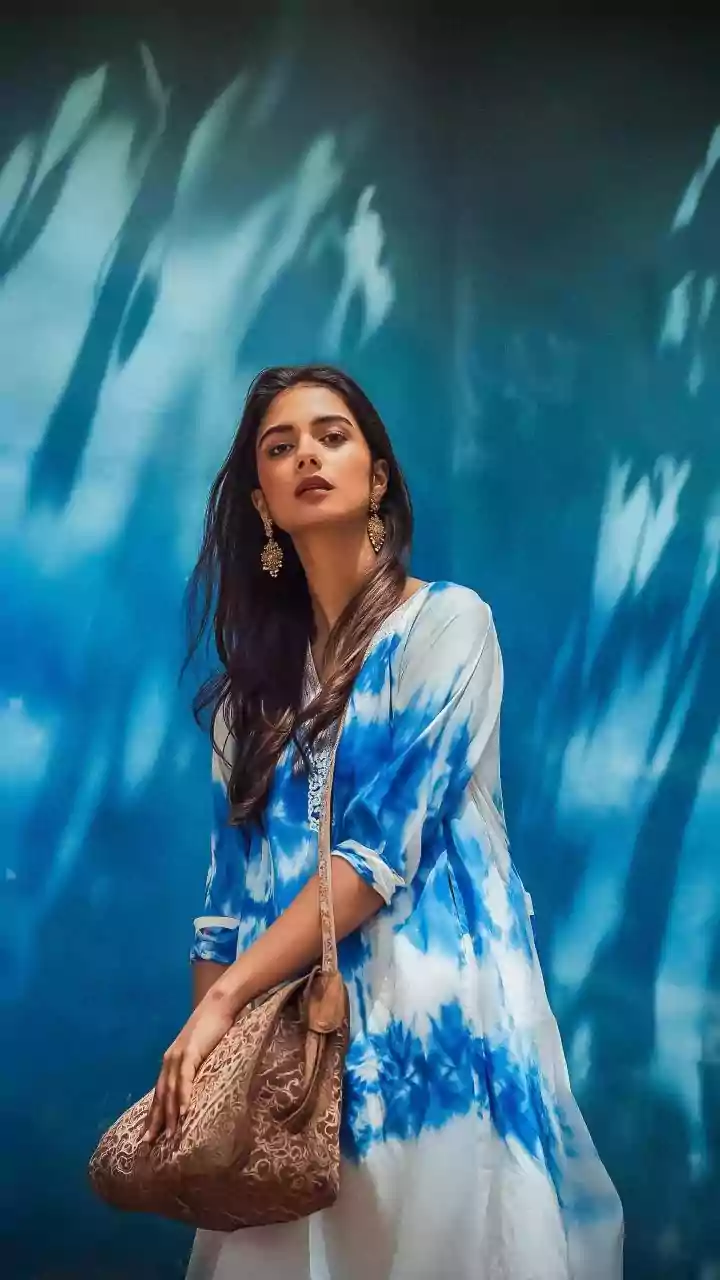
So, what defines 'small-city style'? It's a rejection of the one-size-fits-all, fast-fashion ethos. Instead, it champions authenticity, craftsmanship, and a practical elegance that fits real lives. [12] Think handloom fabrics like Khadi reimagined into contemporary silhouettes, the timeless appeal of Chikankari work on a casual kurta, or the fusion of traditional prints with modern streetwear. [11, 26] This aesthetic is rooted in a new kind of consumer: one who is exposed to global trends via social media but chooses to interpret them through a local lens. [21] There's a growing appreciation for heritage and sustainability, leading to a 'slow fashion' approach where mixing, matching, and repeating outfits is a sign of personal style, not a limitation. [4, 12]
Digital Natives and Regional Influencers
This style revolution is being powered by cheap data and the rise of the regional influencer. [13] Platforms like Instagram and YouTube have democratized fashion, making it possible for a creator in Bhopal or Madurai to build a loyal following. [3, 13] These influencers resonate because they are relatable; they speak the local language, understand cultural nuances, and showcase fashion in a context that feels genuine to their audience. [3, 15] Their engagement rates are often significantly higher than their metro-based counterparts because their influence is built on trust and community. [3] A recommendation from a local creator often feels more like advice from a friend than a paid advertisement, making them powerful arbiters of taste. [15]
How Brands Are Responding
National and international brands have taken notice. Recognizing that non-metro markets are the new engines of growth, companies are recalibrating their strategies. [5, 22] This goes beyond simply opening stores in new locations; it involves localizing their offerings and marketing. [8, 17] Brands are increasingly allocating significant portions of their budgets—sometimes up to 35%—to target these regions. [5] This can mean stocking more linen in a coastal city like Kochi to suit the climate or using vernacular content and regional influencers to build trust and relatability. [2, 17] From luxury retailers entering cities like Jaipur and Chandigarh to fast-fashion giants expanding their footprint, the industry is acknowledging that the aspirational consumer of 'Bharat' is here, and they have their own distinct preferences. [4, 6]
More Than Clothes: A Cultural Declaration
Ultimately, the rise of small-city style is about more than just fashion. It's a signal of a larger cultural and economic decentralization. Driven by rising incomes, improved infrastructure, and a growing sense of regional identity, people are finding they no longer need to move to a metro to access opportunity or a certain quality of life. [6, 18] This trend is a declaration of confidence. It says that style, creativity, and influence are no longer concentrated in a few megacities. They are being cultivated and celebrated across the country, creating a richer, more diverse, and more authentic Indian identity. The future of Indian fashion, it seems, is local.