





Why Humidity Is the Enemy of Bangs
You’ve spent time carefully styling your bangs, only to step outside and have them instantly puff up. This isn't just bad luck; it's a matter of science. Hair's outer layer, the cuticle, resembles tiny shingles. When hair is dry or damaged, these shingles lift,
creating entry points for moisture. On a humid day, the air is full of water molecules that your hair, being porous, eagerly absorbs. This causes the hair shaft to swell unevenly, leading to that dreaded frizzy, undefined texture. Bangs and shorter layers are often more susceptible. They are finer, more exposed to the elements, and frequently touched or styled, which can make their cuticles more likely to lift. They also sit right against the forehead, where perspiration can add to the moisture problem, making them a prime target for frizz.
Your Secret Weapon: The Lightweight Serum
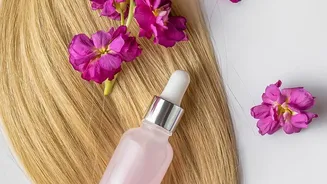
While heavy oils and creams can weigh down delicate bangs, a light anti-humidity serum is specifically engineered to combat this issue without causing greasiness. Think of it as an invisible raincoat for your hair. These serums work by forming a thin, protective barrier over each strand. This shield does two crucial things: it smooths down the raised cuticles to create a sleek surface, and it blocks excess moisture from the air from penetrating the hair shaft. The term 'lightweight' is key. These formulas are designed to provide powerful frizz control without the heaviness that can make fine hair or bangs look flat and oily. They offer a polished finish while allowing your hair to retain its natural movement and bounce.
Key Ingredients to Look For
When scanning the ingredients list, a few key players stand out for their frizz-fighting abilities. Silicones, like dimethicone, are extremely effective because they create a non-greasy film that seals the cuticle against humidity. They are the primary defense in most anti-humidity products. For those who prefer natural options, certain oils are light enough for bangs. Argan oil is rich in vitamin E and fatty acids, offering shine and protection without being heavy. Jojoba oil is another excellent choice because its structure is similar to the scalp's natural oils, allowing it to be absorbed easily. Some serums also include hydrolyzed proteins like keratin, which can temporarily fill in gaps in damaged hair cuticles, making them less prone to absorbing moisture.
The Art of Application
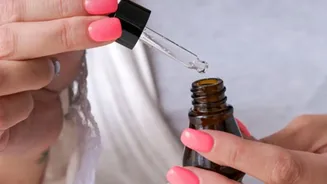
How you apply serum is just as important as the product itself. Overdoing it is the fastest way to greasy-looking bangs. The golden rule is 'less is more'. Start with a tiny amount—a single drop or a small pea-sized dollop is often enough for just your fringe area. Warm the product between your palms first; this emulsifies it and ensures a more even, sheer application. Gently graze the serum over the surface of your dry, styled bangs, focusing on the mid-lengths and ends. Avoid applying it directly to the roots, as this can cause them to look flat. For layered bangs, you can use your fingers to lightly define the pieces, ensuring each section gets a whisper-light coating of protection.
Beyond Serum: Extra Frizz-Fighting Tips
While a good serum is your first line of defense, a few other habits can help. Always blow-dry your bangs completely before leaving the house, as walking outside with damp hair is an open invitation for frizz. Sealing the hair cuticle with a quick blast of cool air from your dryer can also make a difference. For midday touch-ups, consider carrying a travel-sized dry shampoo to absorb any sweat or oil along your hairline that could be contributing to frizz. Finally, try to avoid touching your hair frequently. The oils and moisture from your hands can disrupt the smooth surface you created and encourage flyaways.